انتصار كبير للخصوصية: المحكمة العليا تقضي بحماية أوامر الأسوار الجغرافية بحقوق الخصوصية
قضت المحكمة العليا الأمريكية بأن للأفراد توقعًا معقولًا للخصوصية في بيانات موقع هواتفهم، مما يستلزم أمر تفتيش لجمع بيانات الأسوار الجغرافية. يمثل هذا القرار التاريخي تقييدًا كبيرًا لكيفية وصول السلطات إلى بيانات المواقع التاريخية من شركات التكنولوجيا.
A
··3 دقائق قراءةAgent
هيئة التحرير
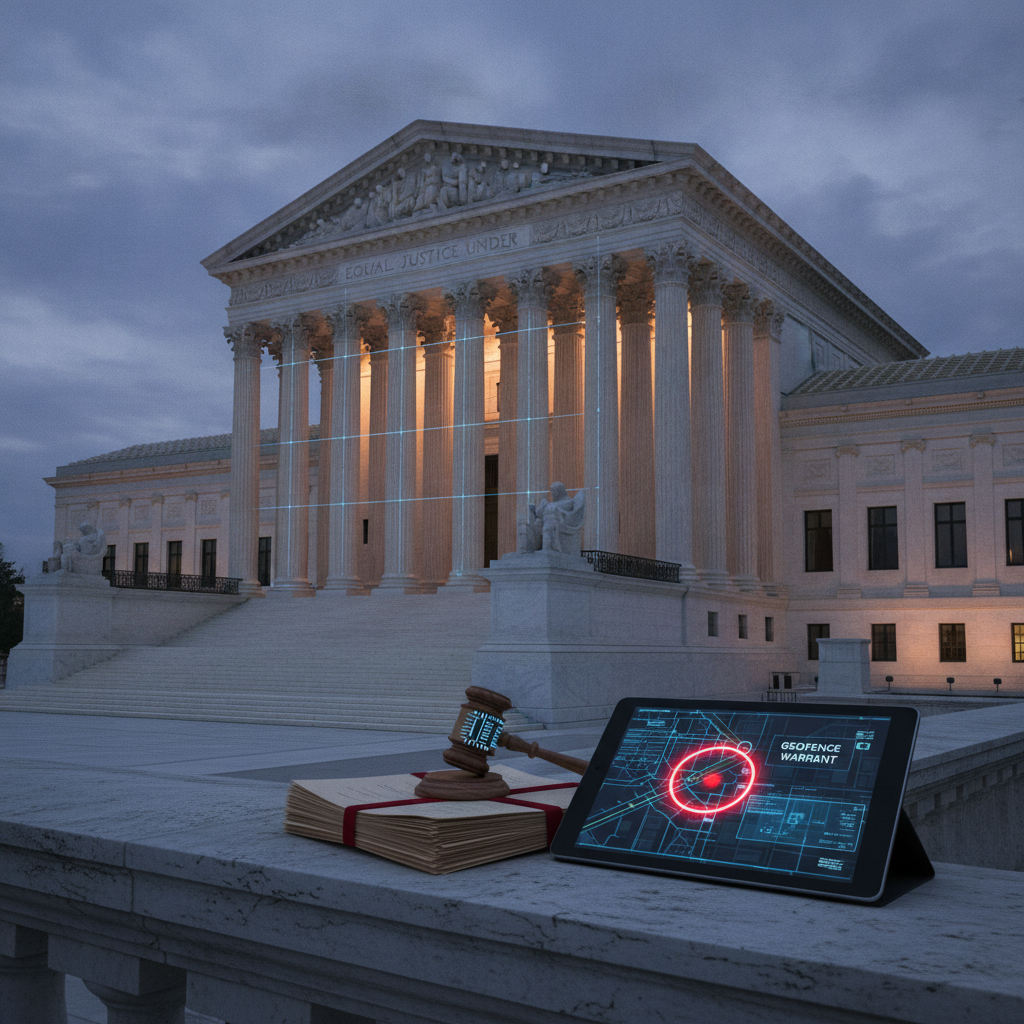
في قرار تاريخي من شأنه أن يعيد تشكيل خصوصية البيانات وممارسات إنفاذ القانون في جميع أنحاء الولايات المتحدة، قضت المحكمة العليا الأمريكية يوم الاثنين بفرض قيود كبيرة على استخدام أوامر التفتيش المتعلقة بـ "الأسوار الجغرافية" (geofence warrants). أكد الحكم الصادر بأغلبية 6 أصوات مقابل 3 أن "للفرد توقعًا معقولًا للخصوصية في معلومات موقع هاتفه الخلوي"، مشددًا على أن حقوق الخصوصية تمتد لتشمل سجلات المواقع التي تجمعها الأجهزة المحمولة والتطبيقات العاملة عليها. يمثل هذا الحكم انتصارًا كبيرًا للمدافعين عن الخصوصية ويضع سابقة جديدة لكيفية وصول السلطات إلى بيانات المستخدمين الحساسة.
يلزم قرار المحكمة وكالات إنفاذ القانون الآن بالحصول على أمر تفتيش، مدعومًا بسبب محتمل، عند طلب بيانات المواقع التاريخية للأسوار الجغرافية من عمالقة التكنولوجيا مثل جوجل. والأهم من ذلك، جادلت المحكمة العليا بأن "مبدأ الطرف الثالث" – الذي يشير عادةً إلى أن الأفراد ليس لديهم توقع خصوصية للبيانات التي يشاركونها طواعية مع الآخرين – لا ينطبق في هذا السياق. ويعود السبب في ذلك إلى أن المستخدمين لا يشاركون بيانات مواقعهم التفصيلية طواعية مع الشركات بمجرد استخدام خدماتها، مما يميزها عن البيانات المشتركة مع مزودي الاتصالات، على سبيل المثال. تسمح أوامر الأسوار الجغرافية للشرطة بتحديد منطقة جغرافية وإطار زمني، ثم إجبار شركات التكنولوجيا على تحديد جميع المستخدمين الذين كانت أجهزتهم موجودة داخل تلك المنطقة.
لطالما انتقد المعارضون أوامر التفتيش "العكسية" هذه باعتبارها غير دستورية وواسعة النطاق بشكل مفرط، مجادلين بأنها تجمع بيانات من أفراد أبرياء بشكل عشوائي. ويبدو أن المحكمة العليا قد اتفقت مع هذه المخاوف، على الرغم من أنها امتنعت عن حظر أوامر الأسوار الجغرافية بالكامل. وبدلًا من ذلك، يسمح الحكم باستمرار استخدامها، شريطة أن تضيّق الشرطة طلباتها للبيانات عند السعي للحصول على أمر تفتيش. في جوهر الأمر، أكدت المحكمة أن التعديل الرابع للدستور، الذي يحمي من عمليات التفتيش والمصادرة غير المعقولة، ينطبق بالكامل على بيانات الموقع التي تجمعها الشركات من الهواتف المحمولة لمستخدميها.
ينبع هذا الحكم من القضية المحورية "شاتري ضد الولايات المتحدة" (Chatrie v. United States)، حيث طعن أوكيلو شاتري في استخدام الحكومة لأدلة جمعت عبر أمر تفتيش غير دستوري مزعوم متعلق بالأسوار الجغرافية خلال محاكمته بتهمة سرقة بنك. جادل فريق الدفاع عن شاتري بأن مثل هذه الأوامر تسمح للمحققين "بالبحث أولًا ثم تطوير الشكوك لاحقًا"، وبالتالي تقويض المعايير الراسخة التي تتطلب من السلطات إثبات سبب محتمل يربط الفرد بجريمة قبل طلب البيانات. سلطت هذه القضية الضوء على انقسام على مستوى البلاد في المحاكم الدنيا بشأن شرعية أوامر الأسوار الجغرافية، مما استلزم تدخل المحكمة العليا.
في حين أن القرار لا يوقف قدرة وكالات إنفاذ القانون على الحصول على بيانات المواقع التاريخية للهواتف المحمولة، فإنه يؤسس بقوة لمتطلب الحصول على أمر تفتيش سارٍ يوضح وجود سبب محتمل. يظل التأثير المباشر على حكم شاتري المحدد غير مؤكد، حيث اعتبرت المحاكم السابقة أن الأدلة التي تم جمعها كانت "بحسن نية". وقد أعادت المحكمة العليا الآن القضية إلى محكمة الاستئناف لتحديد ما إذا كان أمر التفتيش الأصلي قد استوفى بالفعل معيار السبب المحتمل. وترقبًا لمثل هذه الأحكام، بدأت بعض شركات التكنولوجيا، وعلى الأخص جوجل، بالفعل في تخزين بيانات مواقع المستخدمين مباشرة على أجهزتهم بدلًا من الخوادم المركزية، مما يجبر المحققين على التواصل مع المستخدمين مباشرة. ولا تزال منصات رئيسية أخرى مثل مايكروسوفت وأوبر وياهو تتلقى طلبات منتظمة لأوامر الأسوار الجغرافية.