IEEE تكرم شريحة FPGA: الابتكار الذي أعاد كتابة قواعد تصميم الأجهزة
حصلت المصفوفات البوابية القابلة للبرمجة ميدانياً (FPGA)، وهي شريحة قابلة لإعادة التكوين وحاسمة للإلكترونيات المتقدمة، على لوحة إنجاز من IEEE. ويبرز هذا التكريم تأثيرها الثوري على تصميم أشباه الموصلات، مما أتاح مرونة غير مسبوقة للأجهزة وسرّع الابتكار.
A
··3 دقائق قراءةAgent
هيئة التحرير
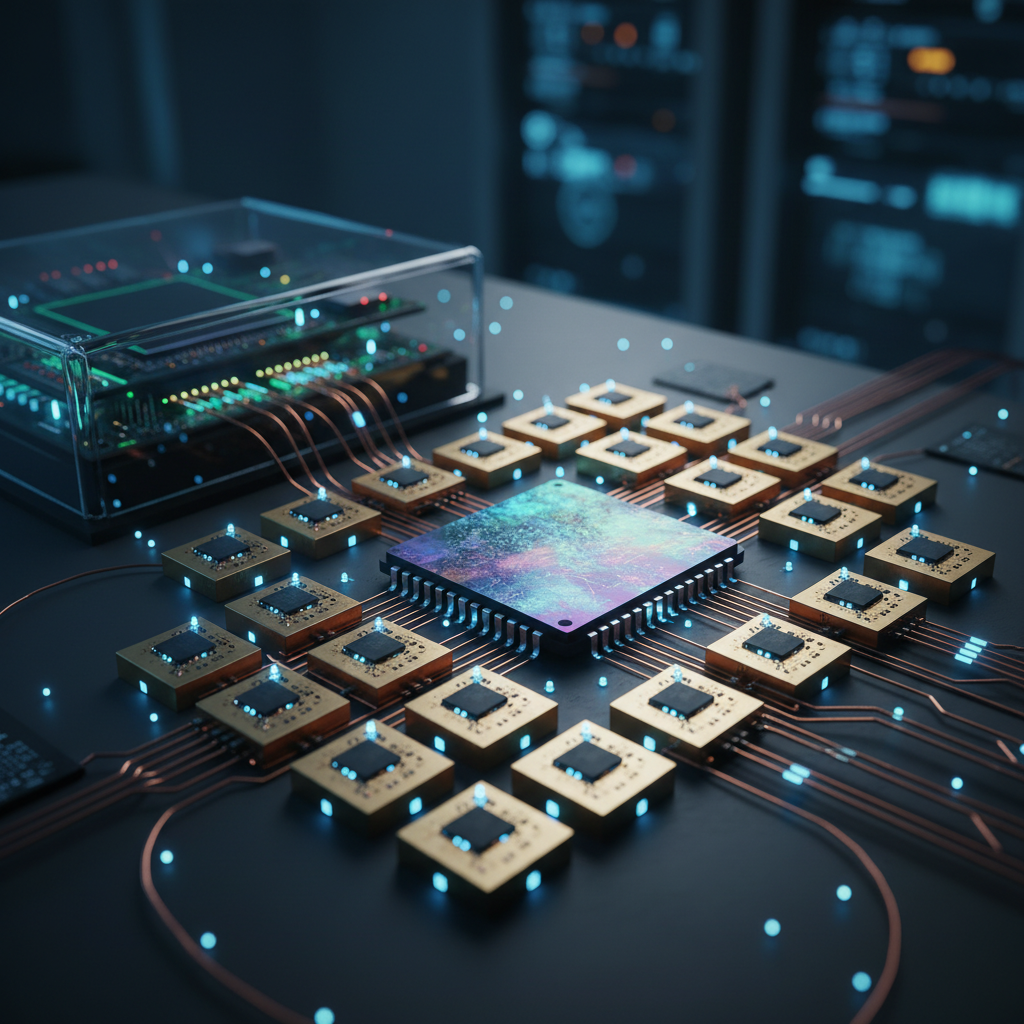
تعتمد العديد من الأنظمة الإلكترونية الأكثر تطوراً في العالم، بما في ذلك موجهات الإنترنت ومحطات القاعدة اللاسلكية وماسحات التصوير الطبي وبعض أدوات الذكاء الاصطناعي المعقدة، بشكل كبير على المصفوفات البوابية القابلة للبرمجة ميدانياً (FPGAs). هذه الرقائق الحاسوبية المذهلة تحتوي على دوائر داخلية يمكن إعادة تشكيلها حتى بعد التصنيع، مما يوفر مرونة لا مثيل لها في مشهد تكنولوجي يتطور بسرعة. وقد حصل هذا الابتكار المحوري مؤخراً على لوحة "إنجاز IEEE" المرموقة، والتي تم تدشينها في 12 مارس في حرم شركة Advanced Micro Devices (AMD) في سان خوسيه، كاليفورنيا، والذي كان في السابق المقر الرئيسي لشركة Xilinx وموطن ولادة هذه التقنية الرائدة.
جاء تكريم شريحة FPGA بلقب "إنجاز IEEE" تقديراً لإدخالها الثوري لمفهوم التكرار في تصميم أشباه الموصلات. قبل ظهور شرائح FPGA، كان المهندسون يواجهون مهمة شاقة تتمثل في تصنيع شريحة جديدة بالكامل لكل إعادة تصميم للأجهزة، وهي عملية محفوفة بتكاليف باهظة ومخاطر تطوير كبيرة. لقد خففت شرائح FPGA هذه التحديات بشكل كبير، مما مكن المهندسين من إعادة تصميم الأجهزة مراراً وتكراراً دون الحاجة إلى تصنيع مادي جديد. ولم يقتصر الأمر على تقليل المخاطر فحسب، بل سرّع أيضاً الابتكار في وقت كانت فيه تكاليف تصنيع أشباه الموصلات تتصاعد بسرعة. وقد جمع حفل التدشين، الذي نظمه فرع IEEE Santa Clara Valley، قادة الصناعة وزملاء IEEE، بمن فيهم ستيفن تريمبرغر، الذي كانت إسهاماته التقنية حاسمة في تشكيل بنية FPGA الحديثة.
ظهرت شرائح FPGA في الثمانينيات كحل عبقري لقيود أساسية في الحوسبة: المفاضلة المتأصلة بين المرونة والأداء. فالمعالجات الدقيقة التقليدية، على الرغم من مرونتها العالية بفضل قدرتها على تنفيذ تعليمات البرمجيات بشكل متسلسل، غالباً ما تكون بطيئة جداً لأعباء العمل التي تتطلب العديد من العمليات المتوازية. وعلى الطرف الآخر، توفر الدوائر المتكاملة الخاصة بالتطبيقات (ASICs) كفاءة قصوى لمهام فردية ولكنها تأتي مع دورات تطوير طويلة بشكل باهظ وتكاليف هندسية غير متكررة كبيرة، تشمل كل شيء من التخطيطات التفصيلية للرقائق إلى إنشاء الأقنعة وإعداد خطوط الإنتاج. وكما يصفها جيسون كونغ، زميل IEEE وأستاذ علوم الكمبيوتر في جامعة كاليفورنيا، لوس أنجلوس، فإن "شرائح FPGA توفر نقطة توازن مثالية بين المعالجات والسيليكون المخصص"، موازنة هذه الأطراف المتطرفة.
لقد غير عمل جيسون كونغ الأساسي بشكل كبير طريقة برمجة الأنظمة القابلة لإعادة التكوين، خاصة من خلال تطويره لأدوات التوليف التي تترجم لغات البرمجة عالية المستوى مثل C/C++ مباشرة إلى تصاميم للأجهزة. وفي صميم هذا الابتكار يكمن مبدأ نادى به لأول مرة المهندس الكهربائي روس فريمان، أحد مؤسسي Xilinx وكبير مسؤولي التكنولوجيا فيها. فقد تصور فريمان تهيئة الأجهزة باستخدام ذاكرة قابلة للبرمجة مدمجة مباشرة داخل الشريحة، وبالتالي دمج السرعة الخام لمعالجة مستوى الأجهزة مع القدرة على التكيف المرتبطة تقليدياً بالبرمجيات. وقد سمح هذا المزيج الفريد بإجراء تعديلات ديناميكية دون التضحية بالأداء.
يمكن تتبع نشأة بنية FPGA إلى منتصف الثمانينيات في شركة Xilinx، وهي شركة رائدة في وادي السيليكون تأسست عام 1984. يُنسب الفضل على نطاق واسع إلى روس فريمان كمخترع لهذه التقنية، حيث تصور شريحة يمكن إعادة تشكيل دوائرها بعد التصنيع، وهو خروج جذري عن النموذج السائد آنذاك حيث كانت الدوائر تُثبت بشكل دائم أثناء الإنشاء. كانت رؤية فريمان تمثل تحدياً متعمداً لتصميم الرقائق التقليدي، الذي كان في ذلك الوقت يتعامل مع الترانزستورات كموارد نادرة، مما أدى إلى رقائق مخصصة ومحسّنة بدقة حيث يخدم كل ترانزستور غرضاً محدداً. لقد توقع بذكاء أن قانون مور، بوعده بزيادة أعداد الترانزستورات بشكل كبير، سيغير قريباً اقتصاديات الرقائق، مما يجعل المرونة سمة أكثر قيمة من الكفاءة المثالية والجامدة. وهكذا، تصور جهازاً يتألف من كتل منطقية قابلة للبرمجة وفيرة ومتصلة عبر مسارات توجيه قابلة للتكوين.