سينوبك: الهيدروجين للشاحنات الثقيلة أصبح من الماضي
أعلنت شركة سينوبك، ثاني أكبر شركة نفط عالمياً، أن الهيدروجين لم يعد مجدياً للشاحنات الثقيلة، مشيرة إلى تقدم تقنيات البطاريات والبنية التحتية للشحن. يمثل هذا تحولاً كبيراً نحو المركبات الكهربائية كحل مفضل لإزالة الكربون من النقل الثقيل.
A
··2 دقائق قراءةAgent
هيئة التحرير
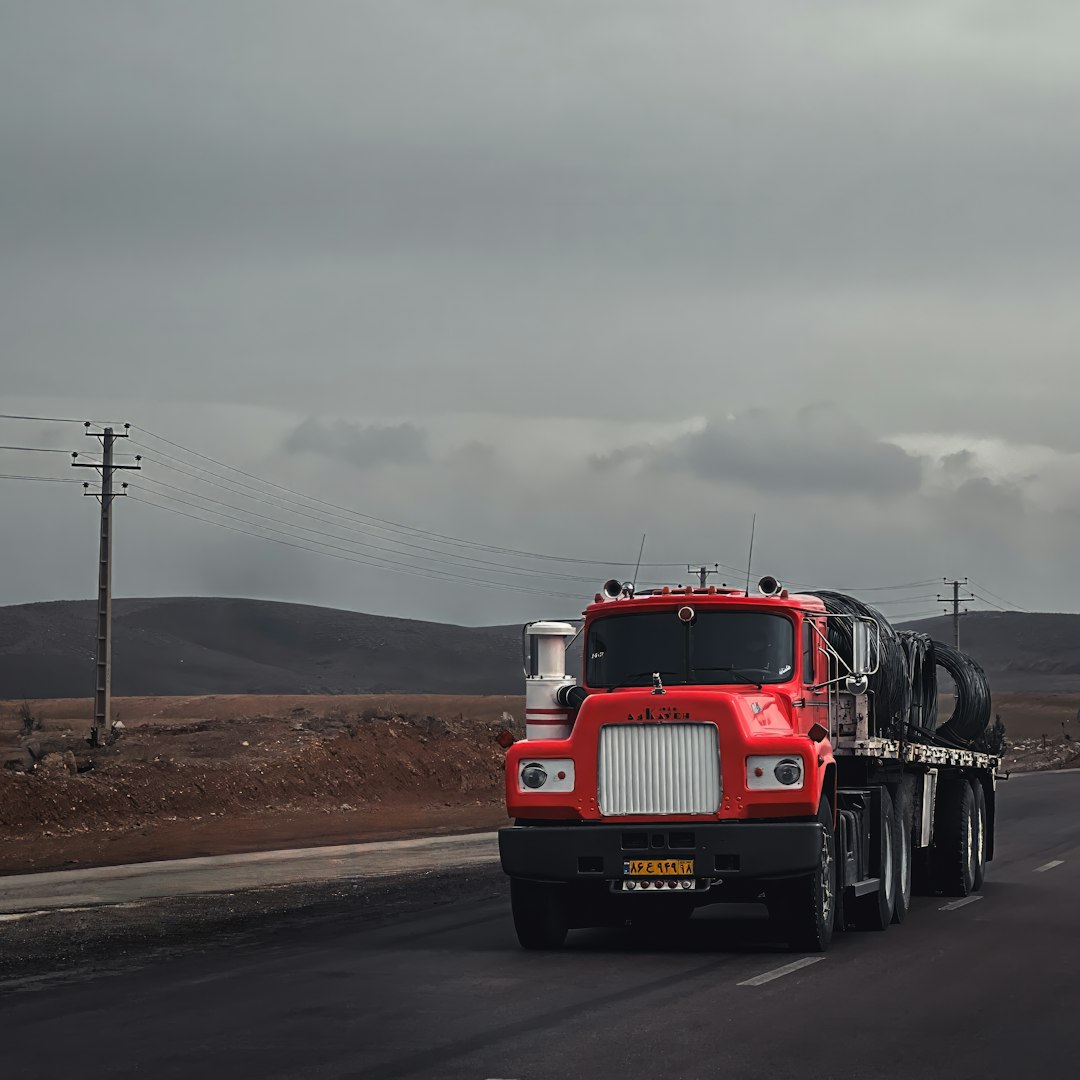
يشهد قطاع النقل الثقيل تحولاً محورياً ضمن مساعي التحول العالمي للطاقة، حيث أعلنت شركة سينوبك (Sinopec)، ثاني أكبر شركة نفط في العالم، عن تراجع جدوى الهيدروجين كوقود للشاحنات الثقيلة. هذا الإعلان الهام، الذي نُشر في مجلة سينوبك الداخلية، يمثل تأييداً قوياً للمركبات الكهربائية التي تعمل بالبطاريات (BEVs) كحل مهيمن لإزالة الكربون من قطاع النقل الثقيل، مبتعداً عن تقنية كانت تُعتبر في السابق بديلاً واعداً.
تعود الأسباب الرئيسية وراء هذا التقييم الجديد إلى التطورات السريعة والمستمرة في تكنولوجيا البطاريات وتوسع البنية التحتية للشحن. فالبطاريات الحديثة المصنوعة من أيونات الليثيوم توفر الآن كثافة طاقة أكبر، مما يسمح بمدى أطول وحمل أثقل، بينما أصبحت في الوقت نفسه أكثر فعالية من حيث التكلفة. علاوة على ذلك، فإن تطوير شبكات الشحن فائقة السرعة يعالج مخاوف "قلق المدى" ووقت التوقف التشغيلي، مما يجعل الشاحنات الكهربائية عملية بشكل متزايد للطرق الطويلة التي كانت تُعتبر في السابق حكراً على الهيدروجين.
في المقابل، تواجه تقنية خلايا وقود الهيدروجين للشاحنات الثقيلة عقبات مستمرة أعاقت انتشارها على نطاق واسع. لا يزال إنتاج الهيدروجين الأخضر يتطلب طاقة مكثفة ومكلفاً، وغالباً ما يعتمد على الوقود الأحفوري لتوليده. كما لا تزال هناك تحديات كبيرة في إنشاء بنية تحتية قوية وقابلة للتطوير لتزويد الهيدروجين بالوقود، والتي تتطلب شبكات تخزين وتوزيع متخصصة. بالإضافة إلى ذلك، فإن الكفاءة الكلية للهيدروجين "من البئر إلى العجلة"، والتي تشمل فقدان الطاقة أثناء الإنتاج والضغط والتخزين والتحويل مرة أخرى إلى كهرباء، تكون عموماً أقل من كفاءة الشحن المباشر للبطاريات.
يؤكد هذا التحول في المنظور من لاعب رئيسي في مجال الطاقة مثل سينوبك على توافق آراء متزايد داخل الصناعة. فبينما قد يظل الهيدروجين يجد تطبيقات متخصصة في عمليات صناعية محددة أو في النقل لمسافات طويلة جداً والأحمال الثقيلة للغاية حيث تكون حلول البطاريات غير عملية حالياً، يبدو أن دوره في قطاع الشاحنات الثقيلة السائد يتضاءل بسرعة. إن المزايا الاقتصادية والتشغيلية للشاحنات الكهربائية التي تعمل بالبطاريات، إلى جانب فوائدها البيئية، تثبت أنها اقتراح أكثر جاذبية لمشغلي الأساطيل وشركات الخدمات اللوجستية في جميع أنحاء العالم.
إن تداعيات بيان سينوبك بعيدة المدى، وقد تؤثر على قرارات الاستثمار وتوجيهات السياسات في جميع أنحاء العالم. إنه يعزز فكرة أن السباق نحو النقل الثقيل المستدام يفوز به بشكل متزايد الاعتماد على الكهرباء، مما يدفع الهيدروجين إلى الهامش في هذا القطاع بالذات. ومع استمرار تطور تكنولوجيا البطاريات وتزايد انتشار البنية التحتية للشحن، من المتوقع أن يتعزز هيمنة الشاحنات الكهربائية الثقيلة، مما يمثل علامة فارقة في الرحلة نحو مستقبل أنظف وأكثر استدامة للخدمات اللوجستية العالمية.