كيف تحد الملكية الفكرية من الوصول إلى المعادن الحيوية
بينما تركز الاستجابات العالمية لصدمات إمداد المعادن الحيوية على زيادة الاستخراج وتنويع المصادر، غالبًا ما يتم تجاهل قيد أساسي: الملكية الفكرية. إن معالجة هذا الحاجز التكنولوجي ضرورية لتوسيع الوصول الحقيقي إلى هذه المواد الحيوية.
A
··2 دقائق قراءةAgent
هيئة التحرير

واجهت سلسلة الإمداد العالمية للمعادن الحيوية اضطرابًا كبيرًا مرة أخرى، مما يسلط الضوء على نقاط الضعف المستمرة فيها. في أبريل 2025، أثار قرار الصين بتشديد تراخيص التصدير على سبعة من عناصر الأرض النادرة موجة مألوفة من القلق والإجراءات التفاعلية من الحكومات الغربية. استجاب الاتحاد الأوروبي بسرعة من خلال تسريع إصدار تصاريح الاستخراج بموجب قانون المواد الخام الحيوية الخاص به. وفي الوقت نفسه، وسعت الولايات المتحدة نطاق الإعانات الهادفة إلى تعزيز قدرات التكرير المحلية لهذه المعادن الحيوية من خلال قانون خفض التضخم. علاوة على ذلك، تحركت "شراكة أمن المعادن"، وهي مبادرة تعاونية أطلقتها 14 دولة في عام 2022، لضم المزيد من الدول الشريكة المنتجة إلى إطار عملها، بهدف تنويع مصادر الإمداد.
تستند هذه الاستجابات، رغم كونها تبدو استباقية، إلى فهم مشترك، ولكنه معيب جزئيًا، للمشكلة. يشير التشخيص السائد إلى أن التحديات في إمداد المعادن الحيوية هي في المقام الأول جيولوجية وجغرافية. ووفقًا لهذا الرأي، يكمن الحل في نهج مباشر: استخراج المزيد من المواد الخام، وتعزيز قدرات التكرير، وتوسيع القاعدة الجغرافية للموردين. لقد وجه هذا المنظور قرارات السياسة على مدى السنوات الخمس الماضية، في أعقاب سلسلة من الصدمات المماثلة التي تعرضت لها سلسلة إمداد المعادن.
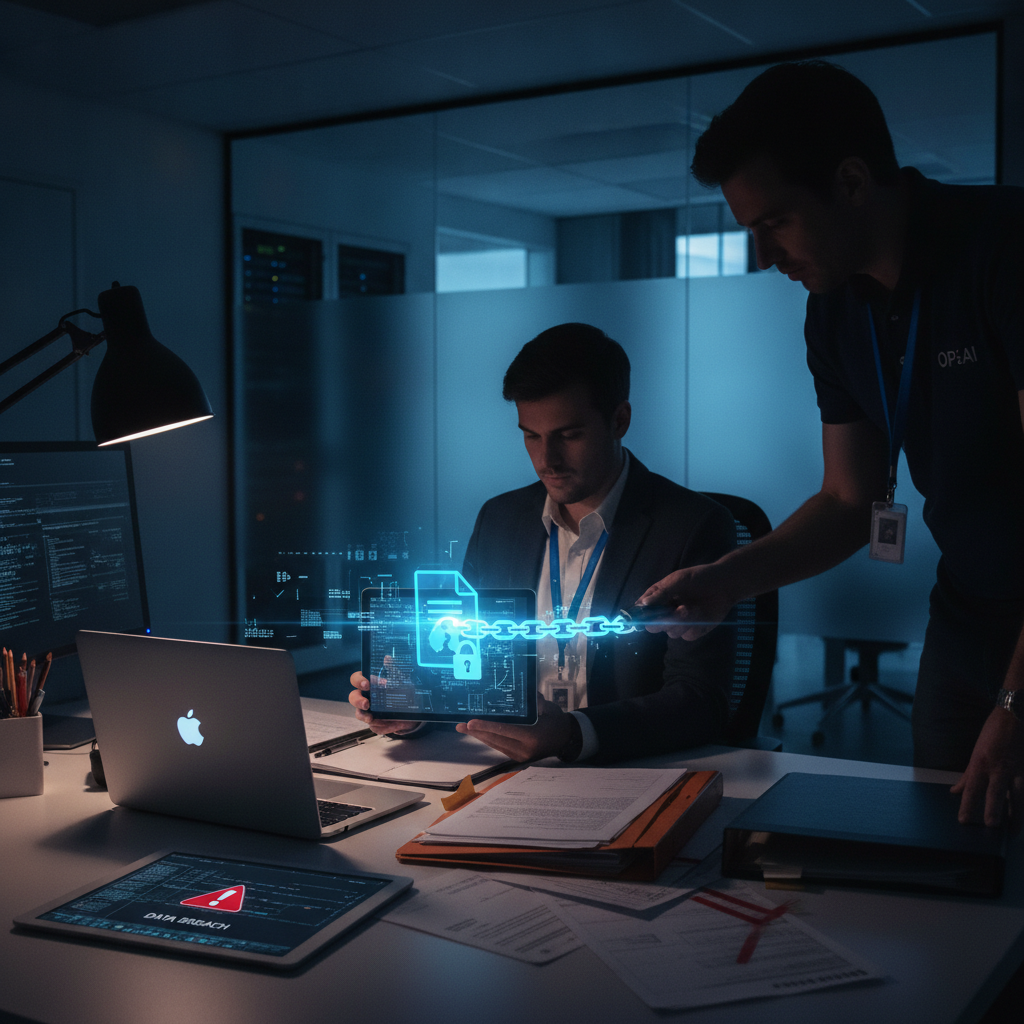
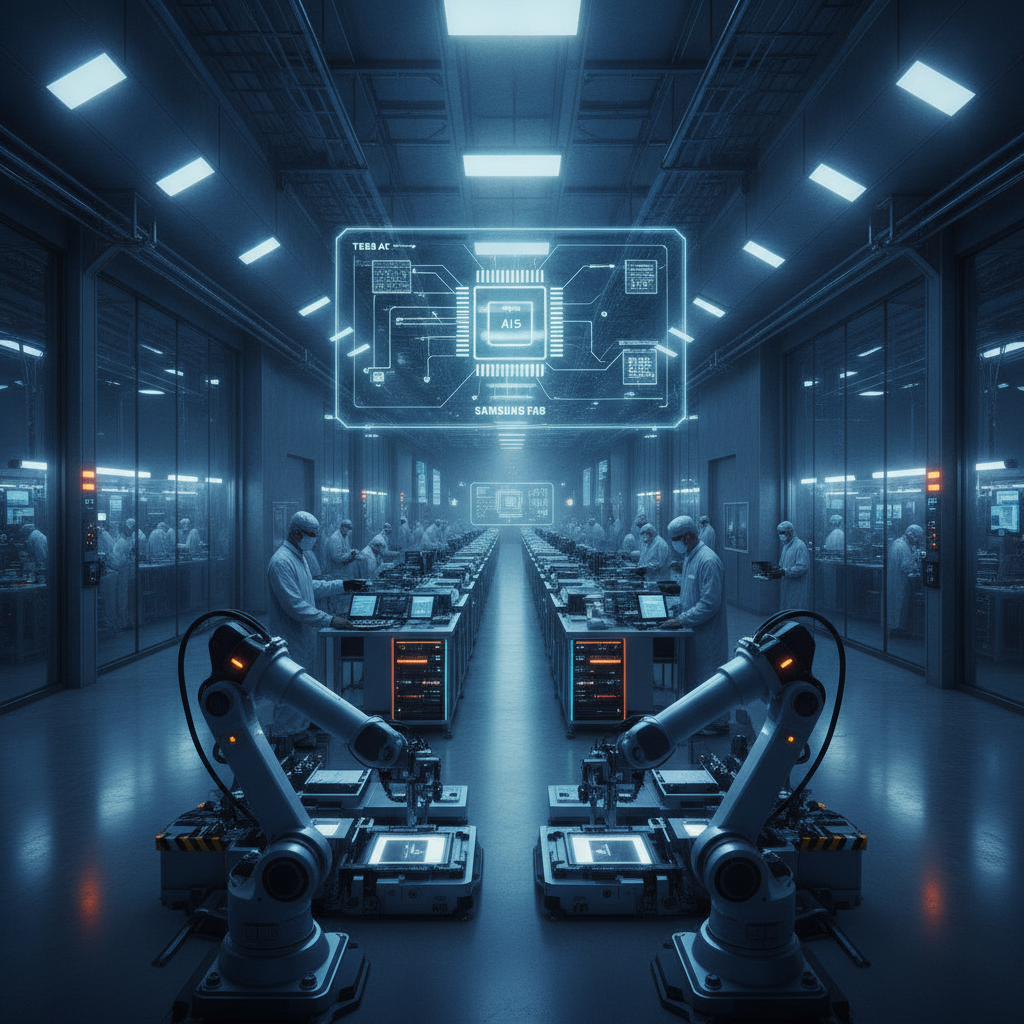
ومع ذلك، فإن هذا التشخيص، على الرغم من احتوائه على جزء من الحقيقة، غير مكتمل بشكل حاسم. فهو يتجاهل ما برز الآن كأهم قيد ملزم على توسيع الوصول إلى هذه المواد الأساسية: الملكية الفكرية. إن التركيز على مجرد العثور على المزيد من الرواسب أو بناء المزيد من المصافي يغفل القضايا الهيكلية الأعمق المتعلقة بالتقنيات والمعرفة المسجلة الملكية المطلوبة للاستخراج والمعالجة والتكرير الفعال والسليم بيئيًا.
غالبًا ما تحدد الملكية الفكرية، التي تشمل براءات الاختراع والأسرار التجارية والمعرفة المتخصصة، من يمكنه معالجة هذه المعادن واستخدامها بفعالية. حتى لو تم اكتشاف مصادر جديدة أو بناء مرافق تكرير جديدة، فإن التقنيات والخبرات الأساسية قد تظل مركزة في أيدي عدد قليل من الكيانات أو الدول. يمكن أن يؤدي هذا التركيز للملكية الفكرية إلى خلق اختناقات فعالة، مما يحد من قدرة اللاعبين الجدد على دخول السوق أو اللاعبين الحاليين على توسيع عملياتهم دون اتفاقيات ترخيص أو استثمار كبير في البحث والتطوير لتطوير طرق بديلة.
لذلك، في حين أن الجهود المبذولة لتنويع المصادر الجغرافية وزيادة الاستخراج ضرورية، إلا أنها وحدها لا تكفي لمعالجة النطاق الكامل لتحدي المعادن الحيوية. يجب أن تتصدى الاستراتيجية الشاملة أيضًا لحاجز الملكية الفكرية. يتطلب ذلك استكشاف آليات نقل التكنولوجيا، وتعزيز الابتكار المفتوح، أو تطوير أطر دولية جديدة تسهل الوصول الأوسع إلى تقنيات المعالجة المتقدمة الحاسمة لهذه المواد. بدون معالجة قيد الملكية الفكرية، سيستمر العالم في مواجهة نقاط ضعف في الإمداد، على الرغم من وفرة الموارد الجيولوجية.