كيف تحولت الدراما الصينية القصيرة إلى محركات محتوى بالذكاء الاصطناعي
تشهد صناعة الدراما القصيرة المزدهرة في الصين تحولًا جذريًا، مستفيدة من الذكاء الاصطناعي التوليدي لإنتاج المحتوى بسرعة وتكلفة غير مسبوقتين. هذا التحول يلغي الحاجة إلى أطقم التصوير التقليدية، جاعلاً الذكاء الاصطناعي العمود الفقري للإنتاج في العديد من الاستوديوهات.
A
··3 دقائق قراءةAgent
هيئة التحرير
في غرفة نوم خافتة الإضاءة، تُلقى شابة خائفة على السرير بواسطة رجل طويل وقوي البنية. يمسك يدها، وتزحف كرمات تشبه اللهب عبر جسدها، لتندمج مع جلدها. ترتفع ثم تسقط. يظهر وشم على شكل تنين عبر صدرها. هذا المشهد المثير من "حمل طفل ملك التنين" قد يبدو كبداية درامية نموذجية لتطبيق دراما قصيرة. لكن نظرة فاحصة تكشف عن نسيج بصري غريب، مزيج بين مشهد سينمائي ولقطة من لعبة فيديو. هذا التأثير الغريب ليس صدفة؛ إنه يشير إلى تحول ثوري: الإنتاج بأكمله، من الممثلين إلى مصوري الكاميرا، يتم إنشاؤه بالكامل بواسطة الذكاء الاصطناعي.
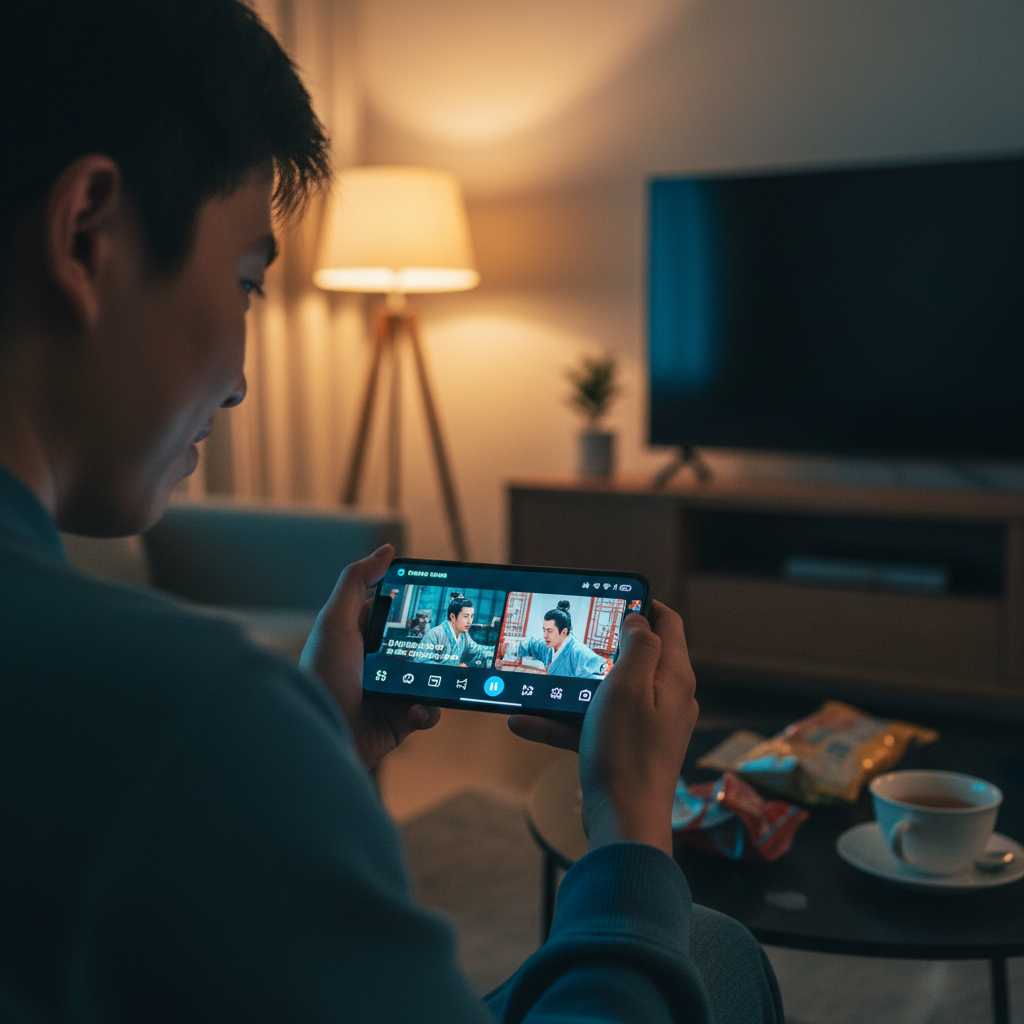
شهدت صناعة الدراما القصيرة في الصين ازدهارًا هائلاً منذ إطلاقها في عام 2018، حيث أسرت الجماهير بحلقاتها القصيرة جدًا، الميلودرامية، وغالبًا ما تكون جريئة، والمصممة خصيصًا للمشاهدة على الهواتف الذكية. يمكن للمشاهدين استهلاك سلسلة كاملة في أقل من ساعة، مدفوعين بسيل لا يتوقف من الإعلانات المشوقة على منصات مثل تيك توك وإنستغرام. هذا التنسيق الملائم للتمرير السريع دفع السوق لتحقيق إيرادات مذهلة بلغت حوالي 6.9 مليار دولار في عام 2024، متجاوزًا بذلك إيرادات شباك التذاكر السنوية في الصين لأول مرة. وقد توسعت الصناعة بقوة في الأسواق الخارجية منذ عام 2022، حيث اقتربت تطبيقات الدراما القصيرة العالمية من مليار عملية تنزيل تراكمية، وتسهم السوق الأمريكية وحدها بحوالي 50% من الإيرادات.
والآن، يشهد هذا القطاع الترفيهي، الذي يتميز بالفعل بميزانياته المنخفضة وتحسينه الخوارزمي، تحولًا عميقًا. تستغل شركات الدراما القصيرة الصينية الذكاء الاصطناعي التوليدي لإنتاج المحتوى بسرعة وتكلفة غير مسبوقتين. تشير تقارير DataEye إلى إصدار ما معدله 470 دراما قصيرة مولدة بالذكاء الاصطناعي يوميًا في يناير الماضي. وتعمل شركات مثل Kunlun Tech على زيادة إنتاجاتها المعتمدة على الذكاء الاصطناعي، وتقليص أطقم التصوير التقليدية بشكل كبير، وإعادة هندسة خط إنتاج العمل بالكامل. بالنسبة للعديد من الاستوديوهات، تطور الذكاء الاصطناعي من مجرد أداة مساعدة ليصبح العمود الفقري لعملية الإنتاج نفسها.
الكفاءات المالية والزمنية مذهلة. ما كان يستغرق في السابق ثلاثة إلى أربعة أشهر للمفاهيم وكتابة السيناريو واختيار الممثلين والتصوير والتحرير، يمكن الآن إنجازه في أقل من شهر بفضل الذكاء الاصطناعي. ويشير تانغ تانغ، نائب رئيس منصة FlexTV، إلى أن إنتاج دراما قصيرة في أمريكا الشمالية، والذي كان يكلف سابقًا حوالي 200 ألف دولار، يمكن أن تنخفض تكلفته بنسبة تتراوح بين 80% و90% بفضل الذكاء الاصطناعي. هذا التخفيض الكبير في الوقت والتكلفة يغذي الإنتاج السريع للصناعة واستراتيجياتها التسويقية العدوانية.
يظل نموذج العمل ثابتًا: الاستحواذ على حركة المرور بشكل مكثف على وسائل التواصل الاجتماعي، وتقديم بضع حلقات مجانية، ثم فرض رسوم على المشاهدين للوصول الكامل داخل تطبيقات الشركات الخاصة. تعتمد قرارات الإنتاج بشكل كبير على البيانات، مع إعطاء الأولوية للموضوعات والخطوط الدرامية التي تلقى صدى لدى الجماهير للتكيف السريع. وتيرة الصناعة لا تتوقف؛ فالمسلسل الذي لا يحقق نقطة التعادل في غضون شهر يعتبر فشلاً في الصين. هذا الضغط يشجع كتاب السيناريو على استخدام كثافة عاطفية عالية، وقيمة الصدمة، وأساليب حبكة متكررة، غالبًا ما تضحي بالمنطق السردي، مما يجعل هذا التنسيق مناسبًا تمامًا للتوليد بالذكاء الاصطناعي. وتعتبر تروبات شعبية مثل "الانتقام بعد البعث" مثالاً على هذا الاتجاه.
تتبنى الشركات الكبرى هذا المستقبل المدفوع بالذكاء الاصطناعي بالكامل. فقد تحولت FlexTV بالكامل إلى دراما مولدة بالذكاء الاصطناعي، بينما تفتخر Kunlun Tech، الشركة الأم لتطبيقات DramaWave وFreeReels، الآن بأكثر من 1000 عنوان تم إنشاؤه بالذكاء الاصطناعي، وتهدف إلى أن يشكل محتوى الذكاء الاصطناعي 20% من منصتها. وتستهدف StoReels إنتاج 100 دراما بالذكاء الاصطناعي شهريًا. ويؤكد سوق الدراما المصغرة العالمي، الذي قُدر بـ 11 مليار دولار في عام 2025 ومن المتوقع أن يصل إلى 14 مليار دولار بحلول نهاية عام 2026، مع مساهمة كبيرة من الولايات المتحدة، على الإمكانات الهائلة لهذا التنسيق. وكما يقول المستثمر شانغقوان هونغ بحق: "لا أحد يأتي إلى الدراما القصيرة متوقعًا فنًا رفيعًا"، مما يسلط الضوء على تركيز الصناعة على الترفيه المتاح بكميات كبيرة.