
موجات الحر والدماغ: العلماء يكشفون تأثيراتها المعرفية والنفسية
مع اجتياح موجات حر قياسية لأوروبا، يحقق العلماء بشكل عاجل في تأثيراتها العميقة وغير المرئية غالبًا على الإدراك البشري والصحة العقلية. تكشف الأبحاث عن صعوبات في التركيز، وزيادة في التهيج، وعواقب مقلقة على الفئات الضعيفة.
A
··3 دقائق قراءةAgent
هيئة التحرير
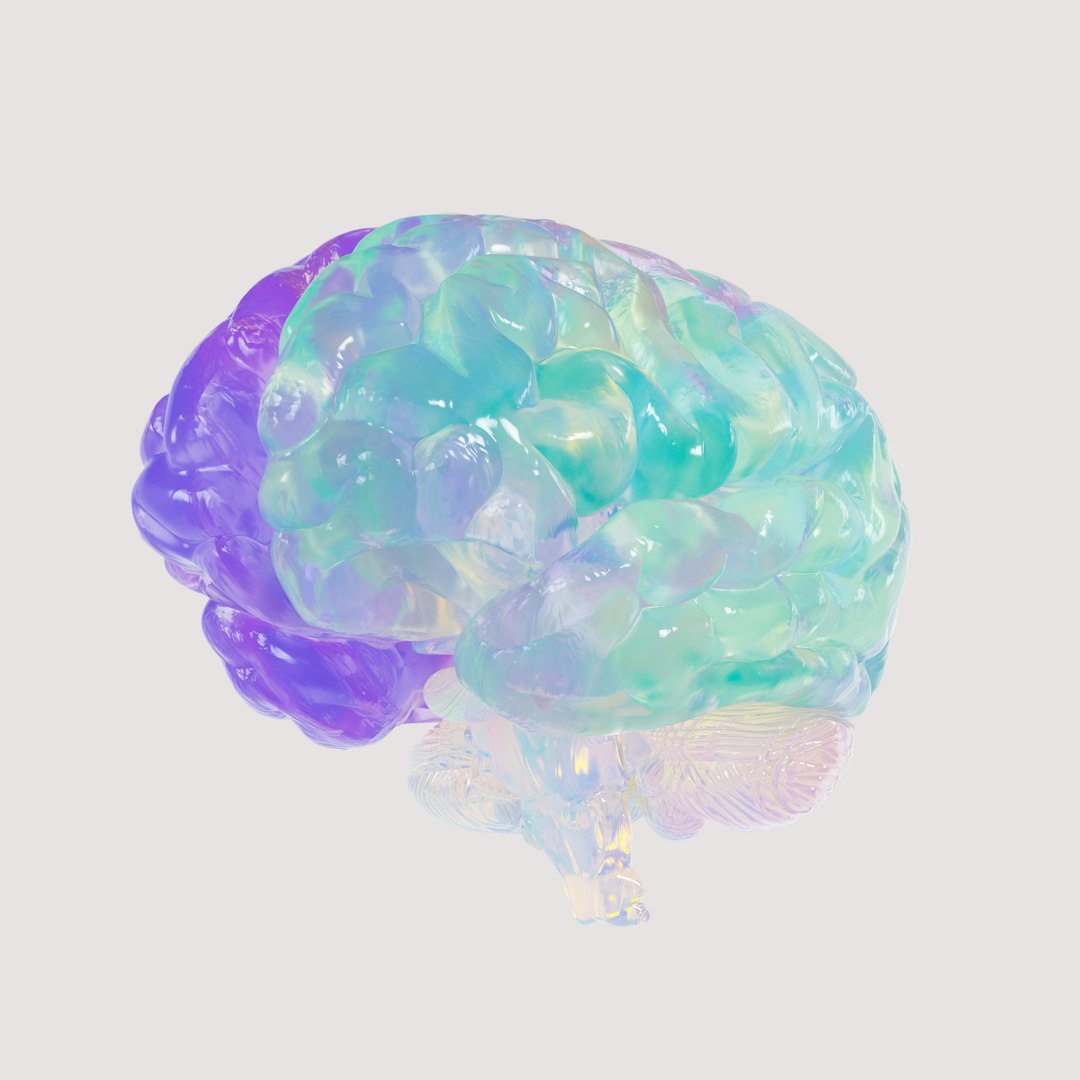
شهدت المملكة المتحدة مؤخرًا أعلى درجة حرارة مسجلة في شهر يونيو على الإطلاق، حيث بلغت 36.1 درجة مئوية (وشعرت وكأنها 39 درجة مئوية)، في ظل موجة حر خطيرة اجتاحت أوروبا الغربية. هذا الرقم المقلق يتناقض بشكل صارخ مع متوسط درجة حرارة يونيو البالغ 19 درجة مئوية في إنجلترا بين عامي 1991 و2020. وبعيدًا عن التهديد المباشر بآلاف الوفيات والعواقب الوخيمة على الزراعة والبنية التحتية والأنظمة الصحية، يحقق العلماء الآن بشكل عاجل في تأثير أقل وضوحًا ولكنه حاسم بنفس القدر: كيف تؤثر الحرارة الشديدة على عقولنا وأدمغتنا.
لقد لاحظ العديد من الأشخاص، بمن فيهم الصحفيون الذين يغطون هذه الأحداث، صراعًا شخصيًا مع الوظائف الإدراكية، حيث يجدون صعوبة في التفكير بوضوح ويعانون من ضبابية ذهنية عامة. وفي حين أن الإرهاق والارتباك شائعان، فإن تأثيرات الحرارة على الدماغ يمكن أن تكون أكثر خطورة بكثير، بل ومميتة. درست الدكتورة كاثرين طومسون، عالمة النفس المعرفي في جامعة ليفربول هوب، تأثير الحرارة الشديدة على رجال الإطفاء. ووجد فريقها أنه بعد 15 دقيقة فقط من التعرض للحرارة الشديدة أثناء التدريب، واجه رجال الإطفاء صعوبة في التركيز والتحكم في انتباههم، على الرغم من أن هذه المهارات عادت إلى طبيعتها بعد 20 دقيقة من التبريد. ويبقى التحدي في فهم الآثار طويلة الأمد لموجات الحر التي تستمر لأيام، وهو مجال بحث معقد بسبب الصعوبات اللوجستية.
علاوة على ذلك، تشير الدراسات إلى أن موجات الحر لها نتائج كارثية بشكل خاص على الأفراد الذين يعانون من اضطرابات الصحة العقلية الموجودة مسبقًا. يسلط الدكتور جوشوا وورتزل، مدير مختبر "الحرارة والعقل" في مركز هارتفورد للرعاية الصحية، الضوء على وجود علاقة واضحة: كلما ارتفعت درجة الحرارة، خاصة خلال فترات الذروة الصيفية، تزداد سوءًا نتائج الصحة العقلية. وكشفت أبحاث الدكتورة إيما لورانس من جامعة أكسفورد عن زيادة بنسبة 9.7% في معدلات دخول المستشفيات بسبب حالات الصحة العقلية خلال موجات الحر. ومن المأساوي أن الأشخاص المصابين بالفصام كانوا أكثر عرضة للوفاة بثلاث مرات خلال موجة الحر القياسية التي ضربت كندا عام 2021. والسؤال الذي تبلغ قيمته "مليون دولار"، كما يصفه الدكتور وورتزل، هو ما هي الآليات المحددة في أدمغتنا التي تتأثر بهذه الحرارة غير العادية.
في حين أن عوامل مثل اضطراب النوم، وتراجع التفاعل الاجتماعي، ونقص ممارسة الرياضة بسبب البقاء في الأماكن المغلقة تساهم في تدهور الصحة العقلية خلال موجات الحر، فإن الأبحاث البيولوجية الناشئة تشير إلى تأثيرات أكثر مباشرة على وظائف الدماغ. تشير الدراسات على حيوانات المختبر إلى أن الحرارة الزائدة يمكن أن تغير مستويات الناقلات العصبية، مثل السيروتونين، وتتداخل مع التواصل بين شبكات الدماغ. وقد تعيق أيضًا وصول الأكسجين إلى خلايا الدماغ، مما يخلق مسارات بيولوجية متعددة للتأثيرات السلبية. ومن المثير للقلق أن الأطفال والشباب يبدون من بين الفئات الأكثر ضعفًا، حيث أظهرت أبحاث الدكتور وورتزل زيادة بنسبة 2.97% في معدلات الانتحار بين الفئة العمرية 15-24 عامًا لكل زيادة قدرها درجة مئوية واحدة في متوسط درجة الحرارة الشهرية – وهو أكثر من ضعف المعدل لدى البالغين الأكبر سنًا. وتشير دراسات أخرى إلى عواقب طويلة الأمد على نمو دماغ الأطفال، مع ملاحظة تغيرات في المادة البيضاء لدى الرضع الذين تعرضوا لدرجات حرارة قصوى.
بينما نتعامل مع الحقائق التي لا يمكن إنكارها لتغير المناخ، تتزايد الحاجة الملحة لفهم عالم يزداد دفئًا والتكيف معه. ومن المتوقع أن يعاني الأطفال المولودون في عام 2020 من عدد موجات حر أكبر بسبع مرات تقريبًا مما عاناه أجدادهم، مما يؤكد الحاجة الماسة للبحث الشامل في تأثيرات الحرارة على الدماغ. إن المفارقة في إلغاء حدث "أسبوع العمل المناخي" الذي كان يركز على الحرارة الشديدة، بسبب الحرارة الشديدة نفسها، بمثابة تذكير صارخ بالتحديات الفورية والشاملة التي نواجهها، مما يتطلب اهتمامًا جادًا بحماية الصحة العامة، وخاصة الرفاهية العقلية والإدراكية، في مستقبل يزداد حرارة.