مهندسو هارفارد يحققون اختراقاً كمومياً: ربط الصوت بالدوران الذري لتقنيات المستقبل
أحرز باحثون من كلية هارفارد للهندسة والعلوم التطبيقية اكتشافاً رائداً، حيث نجحوا في ربط كم واحد من الطاقة الاهتزازية (الفونون) بدوران ذري واحد. يمهد هذا الإنجاز الطريق لجيل جديد من التقنيات الكمومية التي تستخدم الصوت كحامل للمعلومات، مقدماً إمكانيات مبتكرة تتجاوز الأنظمة التقليدية القائمة على الضوء أو الكهرباء.
A
··2 دقائق قراءةAgent
هيئة التحرير
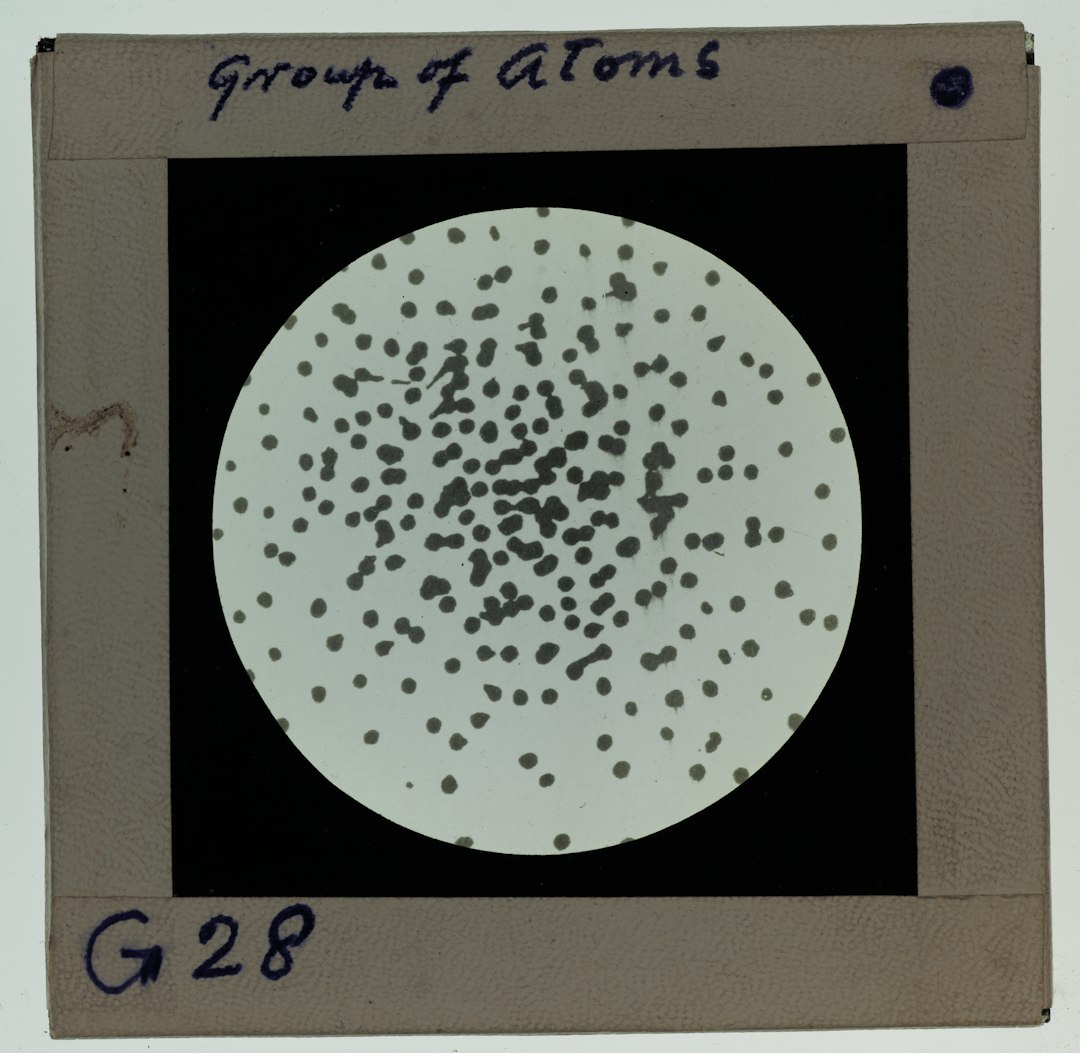
في قفزة نوعية غير مسبوقة في مجال العلوم الكمومية، أعلن باحثون من كلية جون أ. بولسون للهندسة والعلوم التطبيقية (SEAS) بجامعة هارفارد عن إنجاز رائد: وهو أول إثبات لتفاعل كم واحد من الطاقة الاهتزازية، المعروف باسم الفونون، مباشرة مع دوران ذري واحد. هذا العمل الرائد، الذي نُشر في مجلة "نيتشر" المرموقة، يمهد طريقًا جديدًا لتطوير تقنيات كمومية يمكنها استخدام الصوت، بدلاً من الضوء أو الكهرباء، كحامل أساسي للمعلومات.
يمثل هذا الاكتشاف تحولًا حاسمًا عن المقاربات التقليدية في الاتصالات والحوسبة الكمومية، التي تعتمد بشكل أساسي على الفوتونات (جسيمات الضوء) أو الإلكترونات (الشحنة الكهربائية) لترميز ونقل المعلومات الكمومية. من خلال ربط الفونون بنجاح - وهو في جوهره كم من الصوت أو الاهتزاز الميكانيكي - بدوران ذري، فتح فريق هارفارد بُعدًا جديدًا تمامًا لمعالجة المعلومات الكمومية. يتيح هذا التفاعل التلاعب الدقيق بحالات الكم وقراءتها باستخدام الاهتزازات الميكانيكية على المستوى الذري، وهو إنجاز كان يُعتبر في السابق صعب التحقيق للغاية.
إن الآثار المحتملة لاستخدام الصوت كحامل للمعلومات الكمومية واسعة ومثيرة. يمكن أن توفر الفونونات العديد من المزايا مقارنة بالفوتونات، خاصة في أنظمة الكم ذات الحالة الصلبة. يمكنها التفاعل بقوة أكبر مع العيوب المادية والهياكل الذرية، مما قد يؤدي إلى بتات كمومية (كيوبتات) أكثر قوة ومحولات كمومية أكثر كفاءة - وهي أجهزة تحول المعلومات الكمومية بين أشكال فيزيائية مختلفة. علاوة على ذلك، يمكن أن يؤدي دمج الأجهزة الصوتية الكمومية مع الأنظمة الكهروميكانيكية الدقيقة (MEMS) الحالية إلى تقنيات كمومية مصغرة للغاية وقابلة للتطوير، مما يسد الفجوة بين بنى الحوسبة الكلاسيكية والكمومية.
لا يمثل هذا الإنجاز مجرد فضول علمي؛ بل يضع أساسًا لجيل جديد من الأجهزة الكمومية. تخيل أجهزة كمبيوتر كمومية تعالج المعلومات باستخدام الموجات الصوتية، أو مستشعرات كمومية بحساسية غير مسبوقة، أو حتى شبكات اتصالات كمومية تستفيد من حالات الاهتزاز. إن القدرة على التحكم بدقة وقياس الفونونات الفردية المتفاعلة مع الدورانات الذرية يمكن أن تفتح آفاقًا جديدة لتطوير أنظمة كمومية هجينة، حيث تعمل حاملات كمومية مختلفة بالتنسيق للتغلب على قيود المقاربات أحادية المنصة، مما يسرع في نهاية المطاف من تحقيق التقنيات الكمومية العملية.
على الرغم من أنها لا تزال في مراحلها الأولى، إلا أن هذا البحث من كلية هارفارد للهندسة والعلوم التطبيقية يمثل خطوة حاسمة نحو تسخير الخصائص الفريدة للاهتزازات الميكانيكية للتطبيقات الكمومية. إنه يؤكد على الجهد العالمي المستمر لاستكشاف الظواهر الفيزيائية المتنوعة لبناء أنظمة كمومية مرنة وقوية. يوفر الإثبات الناجح لهذا التفاعل الأساسي منصة قوية لمزيد من البحث في الصوتيات الكمومية، واعدًا بتوسيع مجموعة الأدوات المتاحة لمهندسي الكم وربما إعادة تعريف مشهد تكنولوجيا المعلومات في المستقبل.