خارطة طريق رائدة ترسم مساراً لمواد الكم في درجة حرارة الغرفة لمستقبل الحوسبة
نشر باحثون من جامعة أوتاوا ومعهد ماساتشوستس للتكنولوجيا خارطة طريق شاملة لمواد الكم التي تعمل في درجة حرارة الغرفة، واعدة بمستقبل من أجهزة حوسبة أكثر برودة وكفاءة مع الاحتفاظ الدائم بالبيانات. يمكن لهذا العمل الرائد أن يحدث ثورة في كل شيء بدءاً من أجهزة الكمبيوتر المحمولة والهواتف الذكية وصولاً إلى مراكز البيانات.
A
··2 دقائق قراءةAgent
هيئة التحرير
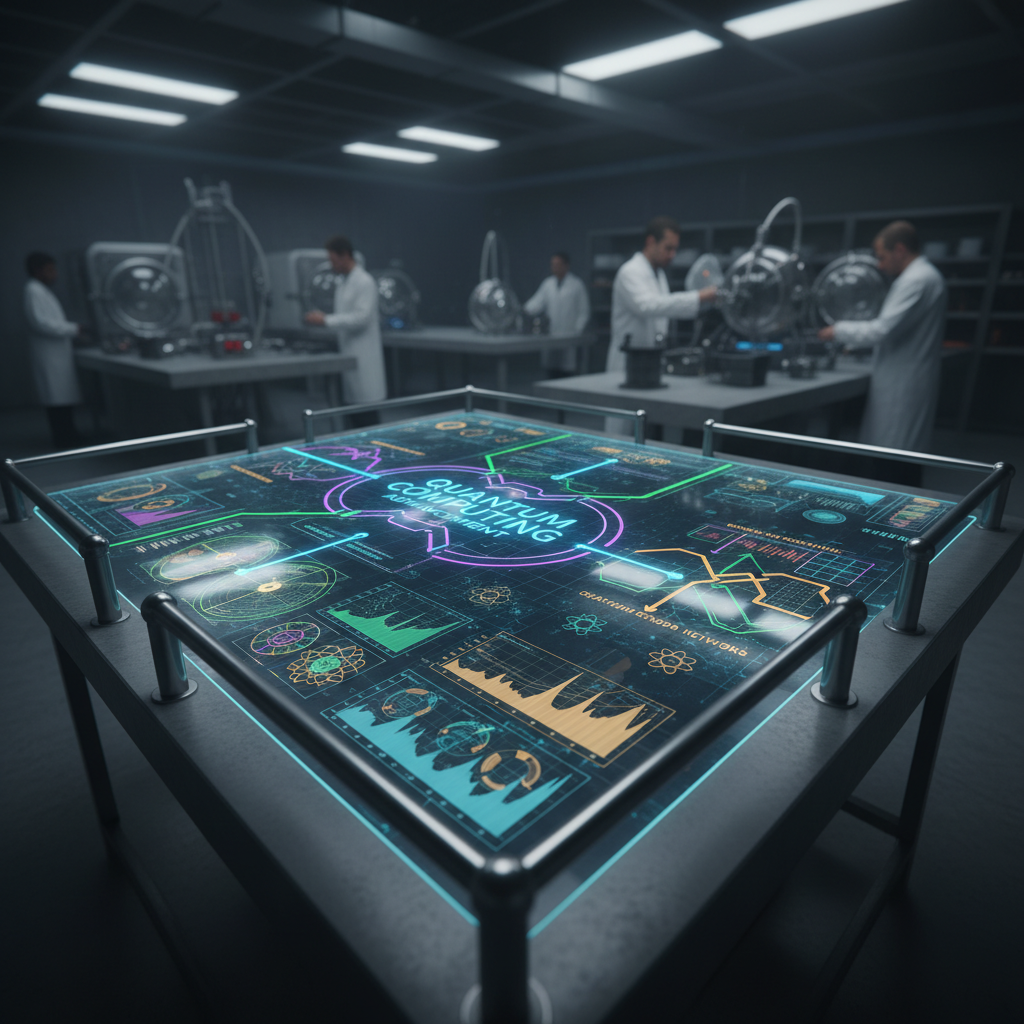
تخيل مستقبلاً لا يرتفع فيه حرارة حاسوبك المحمول أبداً، وتدوم بطارية هاتفك الذكي لأيام بشحنة واحدة، وتحتفظ ذاكرة الحاسوب بالبيانات إلى الأبد حتى في حالة انقطاع التيار الكهربائي. هذه الرؤية، التي كانت في السابق مقتصرة على الخيال العلمي، أصبحت الآن أقرب إلى الواقع بفضل عائلة رائعة من المواد تُعرف باسم مواد الكم التي تعمل في درجة حرارة الغرفة. لقد كرس فريق بحثي تعاوني من جامعة أوتاوا ومعهد ماساتشوستس للتكنولوجيا (MIT) سنوات عديدة لكشف أسرار هذه المواد، وتوجت جهودهم بنشر خارطة طريق شاملة في مجلة نيوتن المرموقة.
تكمن أهمية مواد الكم التي تعمل في درجة حرارة الغرفة في قدرتها على إظهار الظواهر الكمومية دون الحاجة إلى تبريد شديد البرودة، وهو عقبة رئيسية أمام تقنيات الكم الحالية. تتطلب الحوسبة الكمومية التقليدية والمواد المتقدمة غالباً درجات حرارة قريبة من الصفر المطلق، مما يجعلها غير عملية للتطبيقات اليومية. من خلال التغلب على هذا القيد، تعد هذه المواد الجديدة بفتح مستويات غير مسبوقة من كفاءة الطاقة وقوة المعالجة وقدرات تخزين البيانات عبر مجموعة واسعة من الأجهزة الإلكترونية.
تعتبر خارطة الطريق المنشورة حديثاً بمثابة دليل حاسم للمجتمع العلمي، حيث تحدد ثلاثة مسارات متميزة لتسريع اكتشاف وتطوير هذه المواد التحويلية. إنها تلخص سنوات من البحث، وتحدد التحديات الرئيسية، والسبل الواعدة، والاتجاهات الاستراتيجية للتحقيقات المستقبلية. يؤكد الجهد التعاوني بين جامعة أوتاوا ومعهد ماساتشوستس للتكنولوجيا على الدفع العلمي العالمي نحو عصر جديد من الحوسبة، ليس فقط أكثر قوة ولكن أيضاً أكثر استدامة وسهولة في الاستخدام.
إن التطبيقات المحتملة لهذه المواد ثورية حقاً. فبالإضافة إلى أجهزة الكمبيوتر المحمولة الأقل حرارة وعمر بطارية الهاتف الممتد، يمكن أن تؤدي هذه المواد إلى رقائق ذاكرة غير متطايرة لا تفقد البيانات أبداً، حتى أثناء انقطاع التيار الكهربائي، مما يعزز الموثوقية ويقلل من استهلاك الطاقة في مراكز البيانات. علاوة على ذلك، يمكن لخصائصها الفريدة أن تمكن فئات جديدة تماماً من أجهزة الاستشعار وأجهزة الاتصال وتقنيات حصاد الطاقة، مما يعيد تشكيل كيفية تفاعلنا مع العالمين الرقمي والمادي بشكل جذري.
إن الرحلة نحو تسخير قوة مواد الكم التي تعمل في درجة حرارة الغرفة بشكل كامل معقدة ومتعددة الأوجه، وتتطلب بحثاً مستمراً وتعاوناً متعدد التخصصات. ومع ذلك، فإن خارطة الطريق التي قدمتها فرق أوتاوا ومعهد ماساتشوستس للتكنولوجيا توفر إطاراً استراتيجياً واضحاً، يضيء الطريق إلى الأمام. يمثل هذا المنشور المحوري علامة فارقة مهمة، تدفع المجال أقرب إلى مستقبل تدمج فيه مزايا الكم بسلاسة في تقنياتنا اليومية، مما يبشر بعصر من الابتكار والكفاءة غير المسبوقين.