جهاز رائد يعيد إحياء مقل العيون المتبرع بها، ويمهد الطريق لزراعة العين الكاملة
طور باحثون جهازاً قادراً على الحفاظ على مقل العيون المتبرع بها وإعادة إحيائها باستخدام تقنية التروية، مما قد يتغلب على عقبة رئيسية في زراعة العين الكاملة. هذا الابتكار قد يجعل زراعة العين الكاملة حقيقة ممكنة، ويقدم أملاً جديداً لاستعادة البصر.
A
··3 دقائق قراءةAgent
هيئة التحرير
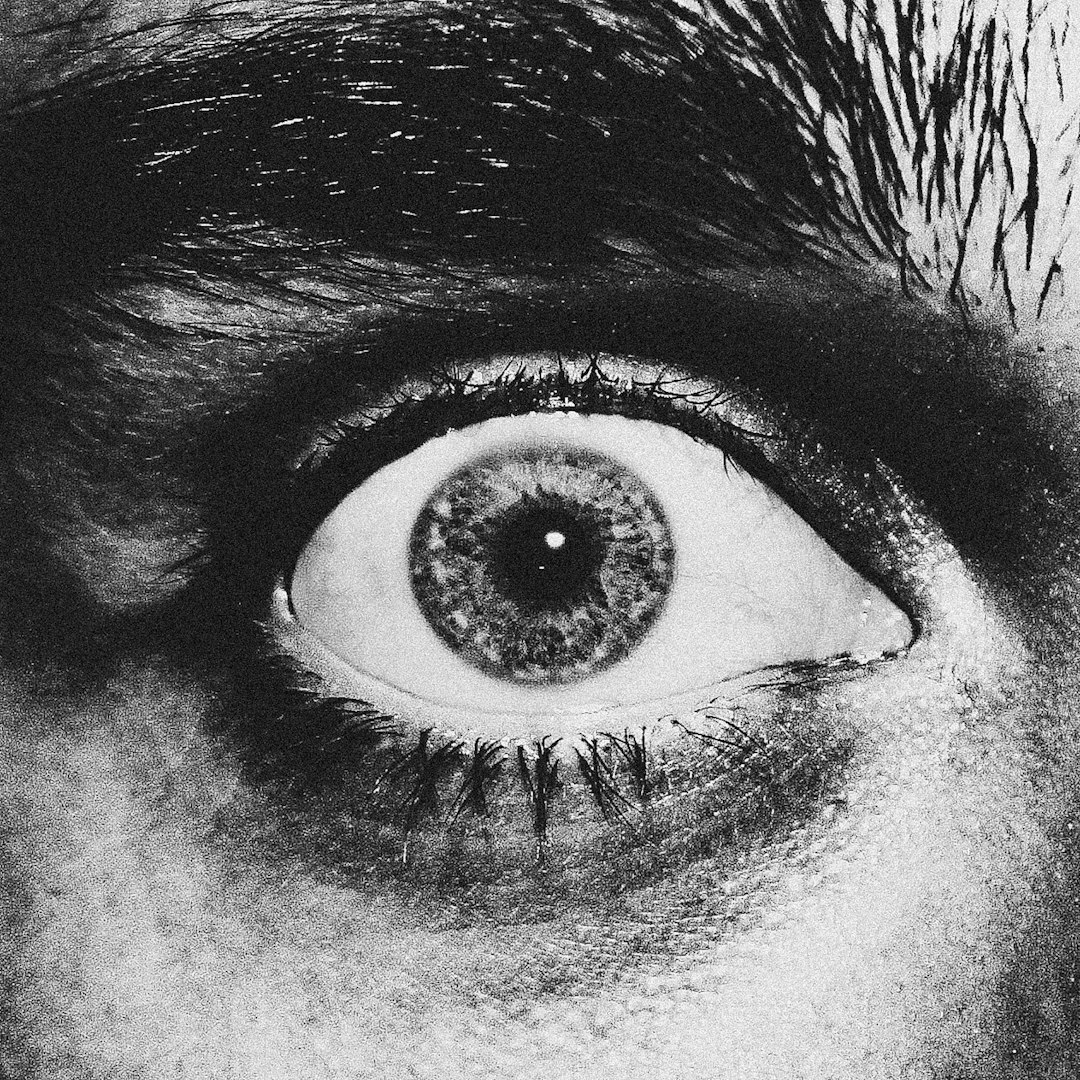
لطالما ظل زرع العين البشرية الكاملة حلماً بعيد المنال في العلوم الطبية لعقود طويلة. فالتحديات الكامنة هائلة، بدءاً من تعقيد الإجراء الجراحي وصولاً إلى التدهور السريع لأنسجة العين بمجرد إزالتها من الجسم. وقد أبرزت المحاولات السابقة هذه الصعوبات، حيث فشلت العيون المزروعة في استعادة البصر، مما يؤكد الحاجة الملحة لحلول يمكنها الحفاظ على حيوية الأعضاء المتبرع بها.
إلا أن بصيص أمل قد لاح في الأفق من باحثين يعتقدون أنهم وجدوا اختراقاً محتملاً: جهاز مصمم للحفاظ على مقل العيون التي تمت إزالتها حديثاً وإعادة إحيائها باستخدام تقنية تعرف باسم التروية (perfusion). تتضمن هذه الطريقة تزويد الأعضاء المستأصلة جراحياً بالأكسجين والمغذيات الحيوية التي تتلقاها عادة داخل الجسم الحي. وتُظهر العيون المعالجة بهذا الجهاز تدهوراً أبطأ بكثير، والأهم من ذلك أنها تحتفظ بقدرتها على نقل الإشارات الكهربائية، وهو شرط أساسي للرؤية. يمكن لهذا الابتكار أن يغير بشكل جذري مشهد زراعة العين، ويجعلها حقيقة طبية قابلة للتطبيق.
الجهاز، الذي أطلق عليه اسم "العين في صندوق الرعاية" (ECaBox)، طورته بيا كوزما وفريقها في مركز التنظيم الجيني بإسبانيا. وهو يعمل عن طريق توصيل سائل غني بالأكسجين مباشرة عبر الشريان الذي يغذي العين بالدم عادةً. تستقر العين على "سرير" متخصص داخل الجهاز المحكم الإغلاق، الذي يحافظ على درجة حرارة وضغط دقيقين، بينما يتم تصريف السوائل الزائدة بكفاءة. وتسمح نافذة شفافة على جانبه للباحثين بمراقبة العين وتصويرها باستمرار، مما يوفر رؤى قيمة حول حالتها واستجابتها.
أسفرت التجارب الأولية على عيون الخنازير، التي تم اختيارها لتشابهها التشريحي مع عيون البشر، عن نتائج واعدة. ففي حين تدهورت عيون الخنازير غير المعالجة بسرعة في درجة حرارة الغرفة، وحتى التبريد إلى 4 درجات مئوية لم يوفر سوى حفظ هامشي لمدة 24 ساعة، فإن العيون التي تم الاحتفاظ بها داخل جهاز ECaBox كانت أفضل بكثير. وبعد 24 ساعة، أكدت الاختبارات أن العيون المروية كانت "أكثر حيوية بشكل ملحوظ". والأهم من ذلك، أظهرت هذه العيون المعالجة القدرة على الاستجابة للضوء، وهي وظيفة فُقدت على الفور تقريباً في العيون غير المعالجة ولكنها استعيدت في غضون 15 دقيقة من التروية، مع استمرار بعضها في هذه الاستجابة لأكثر من 10 ساعات.
بعد النجاح مع النماذج الخنزيرية، انتقل الفريق إلى العيون البشرية. قاموا بجمع 12 عيناً من ستة متبرعين متوفين، وعالجوا عيناً واحدة من كل زوج بجهاز ECaBox بينما استخدمت الأخرى كعينة تحكم. وتماشياً مع النتائج السابقة، أظهرت العيون البشرية المروية حفظاً فائقاً، خاصة لشبكيتها. وبعيداً عن الزراعة، تتصور كوزما وزملاؤها جهازهم كمنصة جديدة لدراسة علاجات العين دون التعقيدات الأخلاقية للتجارب على الحيوانات، ومع المزيد من التحسينات، وسيلة للحفاظ على العيون البشرية المتبرع بها لزراعة العين الكاملة.
بينما جرت محاولات سابقة لزراعة العين الكاملة، لا سيما في حالة حديثة في جامعة نيويورك لانغون حيث تلقى مريض عيناً إلى جانب زراعة وجه لكنه لم يستعد البصر، يقدم جهاز ECaBox نموذجاً جديداً. وتتضمن المرحلة التالية تطوير نسخة محمولة من جهاز ECaBox يمكن استخدامها في غرف العمليات لتقليل التدهور في عيون المتبرعين الذين لا يزال قلبهم ينبض. وكما تشير شانون تيسييه من مستشفى ماساتشوستس العام، فإن الإمكانات الحقيقية للعيون المعالجة بجهاز ECaBox لن تُعرف إلا بعد إجراء تجارب الزرع الفعلية، مما يمثل حدوداً جديدة ومثيرة في طب العيون.