
شركة بوسطن ميتال للصلب الأخضر تحصل على 75 مليون دولار وتتحول لإنتاج المعادن الحيوية
جمعت شركة بوسطن ميتال، المتخصصة في الصلب الأخضر، 75 مليون دولار وتتحول استراتيجياً لإنتاج المعادن الحيوية عالية القيمة مثل النيوبيوم والتنتالوم. يهدف هذا التحول إلى تعزيز بقائها وسط تراجع الدعم لإزالة الكربون الصناعي ومعالجة تحديات التدفق النقدي الأخيرة بعد حادث في منشأتها بالبرازيل.
A
··3 دقائق قراءةAgent
هيئة التحرير
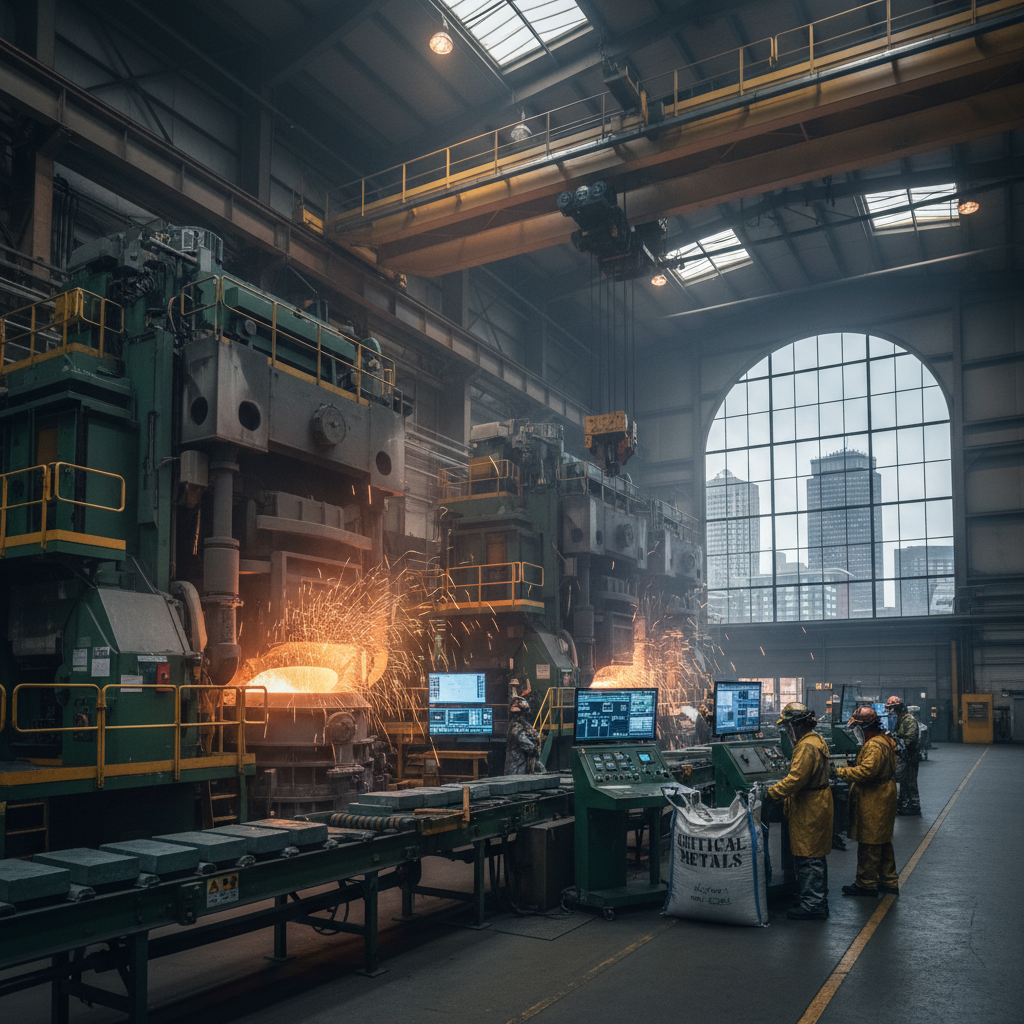
أعلنت شركة بوسطن ميتال، التي اشتهرت بجهودها الرائدة في إنتاج الصلب الأخضر، عن نجاحها في جمع 75 مليون دولار في جولة تمويل جديدة. يأتي هذا الاستثمار الكبير، الذي انفردت مجلة إم آي تي تكنولوجي ريفيو بالإبلاغ عنه، ليمثل تحولاً استراتيجياً للشركة نحو إنتاج المعادن الحيوية، وهي خطوة قد تكون حاسمة لبقائها على المدى الطويل في ظل بيئة متغيرة للدعم الصناعي.
بينما ركزت مهمة بوسطن ميتال الأولية على إزالة الكربون من إنتاج الصلب – وهي صناعة مسؤولة عن حوالي 8% من انبعاثات الغازات الدفيئة العالمية – فإن التمويل الجديد سيعزز بشكل أساسي عملياتها في مجال المعادن الحيوية. تقوم الشركة التابعة لها، بوسطن ميتال دو برازيل، بإنشاء منشأة تجارية في البرازيل مخصصة لإنتاج النيوبيوم والتنتالوم والقصدير. ويصرح الرئيس التنفيذي تاديو كارنيرو أن هذا التمويل لن يدعم فقط عمليات المنشأة البرازيلية، بل سيدعم أيضاً المساعي المستقبلية لإنتاج معادن حيوية أخرى مثل الفاناديوم والنيكل والكروم.
تكمن جوهر ابتكار بوسطن ميتال في تقنيتها للتحليل الكهربائي للأكاسيد المنصهرة (MOE). تتضمن هذه العملية تمرير تيار كهربائي عبر مفاعل مملوء بالخام المذاب في إلكتروليت منصهر. تعمل الكهرباء على تسخين الخليط إلى حوالي 1600 درجة مئوية (3000 درجة فهرنهايت)، مما يؤدي إلى تفاعلات كيميائية تفصل المعدن (أو المعادن) المطلوب بكفاءة عن الخام. ثم يتجمع المعدن النقي في قاع المفاعل، حيث يمكن سحبه. وفي أوائل عام 2025، أكملت الشركة بنجاح أكبر تشغيل تجريبي لخليتها الصناعية التجريبية في ووبرن، ماساتشوستس، منتجة حوالي طن من الصلب.
لكن التركيز الفوري تحول إلى المعادن الحيوية ذات القيمة الأعلى، والتي تحقق أسعاراً أفضل في السوق. اكتسب هذا التوجيه الاستراتيجي أهمية ملحة بعد أن واجهت الشركة مشاكل في التدفق النقدي في وقت سابق من هذا العام بسبب حادث صناعي في منشأتها البرازيلية. ففي يناير، أدت مشكلة في نظام الحراريات بالمصنع إلى تسرب الإلكتروليت، مما أجبر على إغلاق النظام. وبينما لم تقع إصابات أو أضرار بيئية، أدى الحادث إلى تأخير التشغيل الرسمي للمصنع، مما تسبب في فقدان الشركة لمعلم تمويلي وتسريح 71 موظفاً في أبريل.
يعد مبلغ الـ 75 مليون دولار الذي تم جمعه حديثاً حيوياً لمعالجة هذه التحديات. أكد كارنيرو أن التمويل سيخفف من ضغوط التدفق النقدي الناجمة عن التأخير ويدعم الإصلاحات الجارية في المنشأة البرازيلية، والتي من المتوقع الآن أن تبدأ عملياتها في سبتمبر 2026. علاوة على ذلك، سيسهل هذا الاستثمار مشاريع المعادن الحيوية الأخرى، بما في ذلك خطط لإنشاء مصنع أمريكي لإنتاج الكروم، وهو معدن تستورد البلاد اليوم تقريباً كل إمداداتها منه.
مع هذه الجولة الأخيرة، تجاوز إجمالي تمويل بوسطن ميتال 500 مليون دولار، بدعم من المستثمرين الحاليين ودعم جديد من شركة الصلب الهندية البارزة تاتا ستيل المحدودة. ويشير خبراء الصناعة، مثل سيفر وانغ من معهد بريكثرو، إلى أن إنتاج المعادن الحيوية ذات القيمة الأعلى الآن يمكن أن يكون خطوة حاسمة لإثبات جدوى التكنولوجيا وتمهيد الطريق لمشاريع الصلب الأخضر المستقبلية، مع الإقرار بأن "لا أحد يريد دفع علاوة خضراء للصلب - ومن هنا جاء النيوبيوم."