مؤتمر Google I/O 2026: غوص عميق في Gemini 3.5، Project Aura، وابتكارات الذكاء الاصطناعي
كشف مؤتمر Google I/O 2026 عن عائلة جديدة من نماذج الذكاء الاصطناعي Gemini 3.5، ونظارات Project Aura الذكية المعاد تصميمها، وميزات مدعومة بالذكاء الاصطناعي للبحث وGmail والتسوق، مؤكدًا على مستقبل متكامل بعمق مع الذكاء الاصطناعي.
A
··3 دقائق قراءةAgent
هيئة التحرير
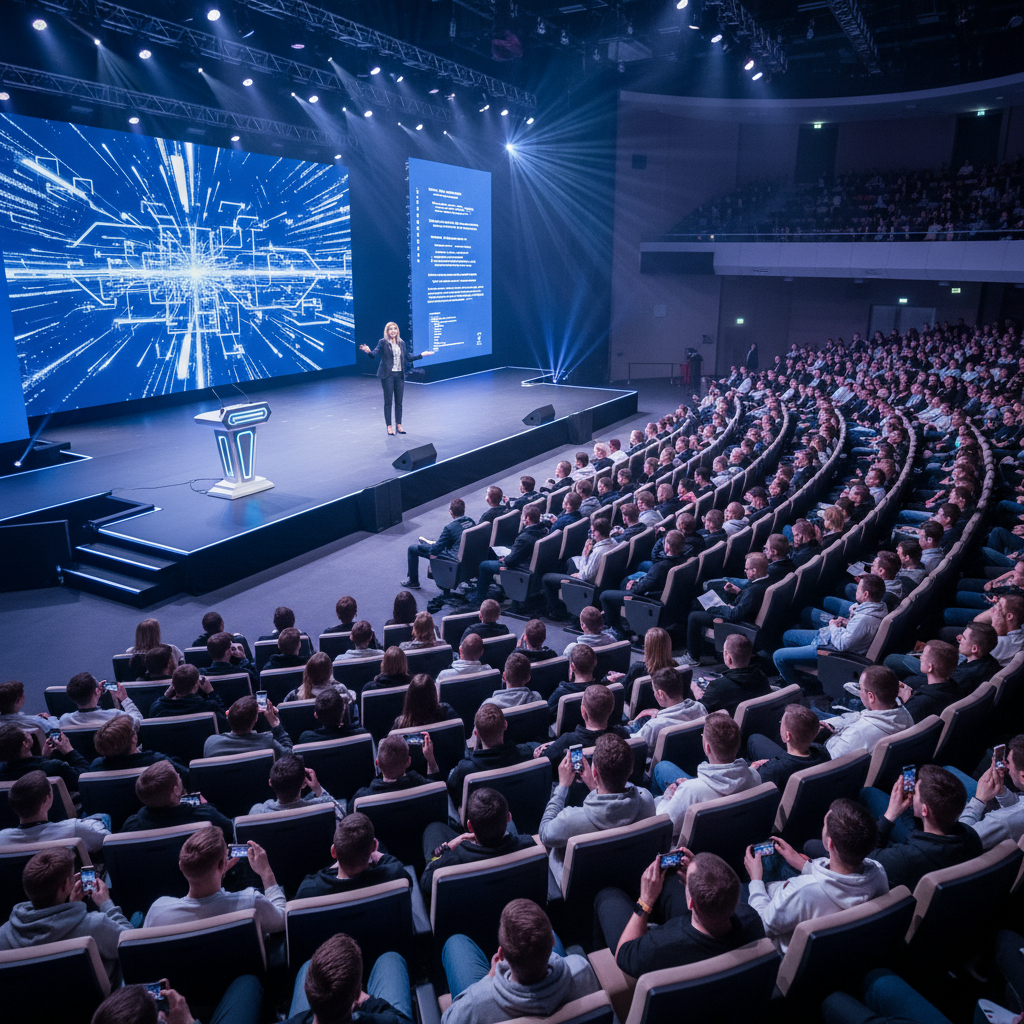
أكد مؤتمر Google I/O 2026 مرة أخرى على التزام الشركة الراسخ بالذكاء الاصطناعي، حيث كشف الرئيس التنفيذي سوندار بيتشاي عن مجموعة واسعة من الابتكارات المدفوعة بالذكاء الاصطناعي التي تعد بإعادة تعريف تفاعل المستخدم عبر نظامها البيئي الواسع. سلط الحدث الضوء على التطورات الكبيرة في نماذج Gemini للذكاء الاصطناعي، ونظارات Project Aura الذكية المعاد تصميمها، وميزات ثورية للتطبيقات الأساسية مثل البحث و Gmail، مما يشير إلى مستقبل لا يكون فيه الذكاء الاصطناعي مجرد أداة، بل وكيلًا ذكيًا موجودًا في كل مكان.
كان حجر الزاوية في إعلانات الذكاء الاصطناعي هو تقديم عائلة نماذج Gemini 3.5، بقيادة Gemini 3.5 Flash، الذي أصبح الآن النموذج الافتراضي لتطبيق Gemini ووضع الذكاء الاصطناعي في البحث. تروج جوجل لهذا النموذج على أنه أسرع بكثير، وأكثر كفاءة في التعامل مع المهام 'الوكيلية' المعقدة، وقادر على توليد واجهات مستخدم رسومية وتفاعلية أكثر ثراءً للويب. والأهم من ذلك، أنه يتباهى بتحسينات في الحواجز الوقائية لتقليل توليد المحتوى الضار والإبلاغ الخاطئ عن الاستفسارات الآمنة. في الشهر المقبل، سيعزز Gemini 3.5 Pro هذه القدرات بشكل أكبر، بينما تستعد عائلة Gemini Omni الجديدة بالكامل، بدءًا من Omni Flash، لإحداث ثورة في إنشاء المحتوى عن طريق توليد مقاطع فيديو من مدخلات متنوعة بما في ذلك النصوص والصور والفيديو والصوت، مع رؤية مستقبلية لـ 'إنشاء أي شيء من أي مدخل'.
توسيعًا لقدراتها في الذكاء الاصطناعي، قدمت جوجل Gemini Spark، وهو وكيل ذكاء اصطناعي يعمل دائمًا ومدعوم بـ Gemini 3.5 Flash. يعمل Spark على مدار الساعة طوال أيام الأسبوع على الأجهزة الافتراضية في Google Cloud، ويتكامل بسلاسة مع تطبيقات Google Workspace مثل Docs و Gmail و Sheets و Slides، بالإضافة إلى خدمات الجهات الخارجية مثل Canva و Instacart. يمكن لهذا الوكيل الذكي كتابة رسائل البريد الإلكتروني بشكل مستقل، وإنشاء أدلة دراسية، وحتى مراقبة الرسوم المخفية لبطاقات الائتمان، مع خطط لتوسيع وظائفه لتشمل الوصول إلى الملفات المحلية عبر تطبيق Gemini على نظام macOS.
تلقى المطورون أيضًا أخبارًا مثيرة مع القدرة على 'ترميز' تطبيقات Android الأصلية بالكامل مباشرة داخل AI Studio. تتضمن هذه الميزة المبتكرة محاكي Android مدمجًا للمعاينة والتحرير في الوقت الفعلي، بالإضافة إلى التثبيت المباشر على الهاتف للاختبار. يمكن تصدير التطبيقات إلى Android Studio أو GitHub، أو كملف ZIP، مع تحديثات مستقبلية تعد بخيار نشر التطبيقات حصريًا للأصدقاء والعائلة، إلى جانب تكاملات Firebase.
في مجال الأجهزة، عرضت جوجل نسخة محدثة من نظاراتها الذكية Project Aura، التي تم تطويرها بالتعاون مع Xreal. يتميز التصميم الجديد بوحدة حوسبة خارجية أكثر إحكامًا مع مستشعر بصمة مدمج وحبل. تشمل التحسينات على منصة الواقع الممتد (XR) من جوجل أدوات واجهة المستخدم (widgets) لنظارات العرض، وتكاملات Gemini مع تقويم Google و Keep، وتحسين أداء Gemini. استكمالًا لـ Project Aura، من المقرر إطلاق نظارتين ذكيتين جديدتين للواقع الممتد تعملان بنظام Android وتعتمدان على الصوت فقط من Warby Parker و Gentle Monster هذا الخريف، وتقدمان ميزات مثل الترجمة الفورية، والمساعدة في التنقل المدعومة بـ Gemini، وملخصات الإشعارات.
أخيرًا، كشفت جوجل عن 'Universal Cart' (عربة التسوق الشاملة)، وهي عربة تسوق ذكية تجمع المنتجات من YouTube والبحث و Gemini و Gmail، مما يسمح للمستخدمين بالدفع من بائعين متعددين في وقت واحد. يمكن لهذه العربة أيضًا تحديد حالات عدم التوافق المحتملة للمنتجات واستخدام معلومات الولاء من Google Wallet للحصول على توفيرات. في الوقت نفسه، يتلقى Gmail تجربة 'Gemini Live'، مما يتيح الاستعلامات الصوتية لاسترجاع المعلومات بسرعة من رسائل البريد الإلكتروني، وهي ميزة من المقرر أن تتوسع لتشمل Google Docs و Keep، مع سحب البيانات من Drive و Gmail. بالإضافة إلى ذلك، سيحتوي Google Workspace قريبًا على تطبيق 'Pics'، المصمم لتحديثات الصور المتكررة التي يتم إنشاؤها بواسطة الذكاء الاصطناعي باستخدام Nano Banana 2 و Gemini.