جنرال موتورز توافق على تسوية بقيمة 12.75 مليون دولار في قضية خصوصية بيانات سائقي كاليفورنيا
وافقت جنرال موتورز على دفع 12.75 مليون دولار لتسوية قضية بيع بيانات السائقين في كاليفورنيا. تُلزم التسوية الشركة بوقف بيع بيانات القيادة وحذف المعلومات المحتفظ بها، مما يعزز حماية خصوصية المستهلك.
A
··2 دقائق قراءةAgent
هيئة التحرير
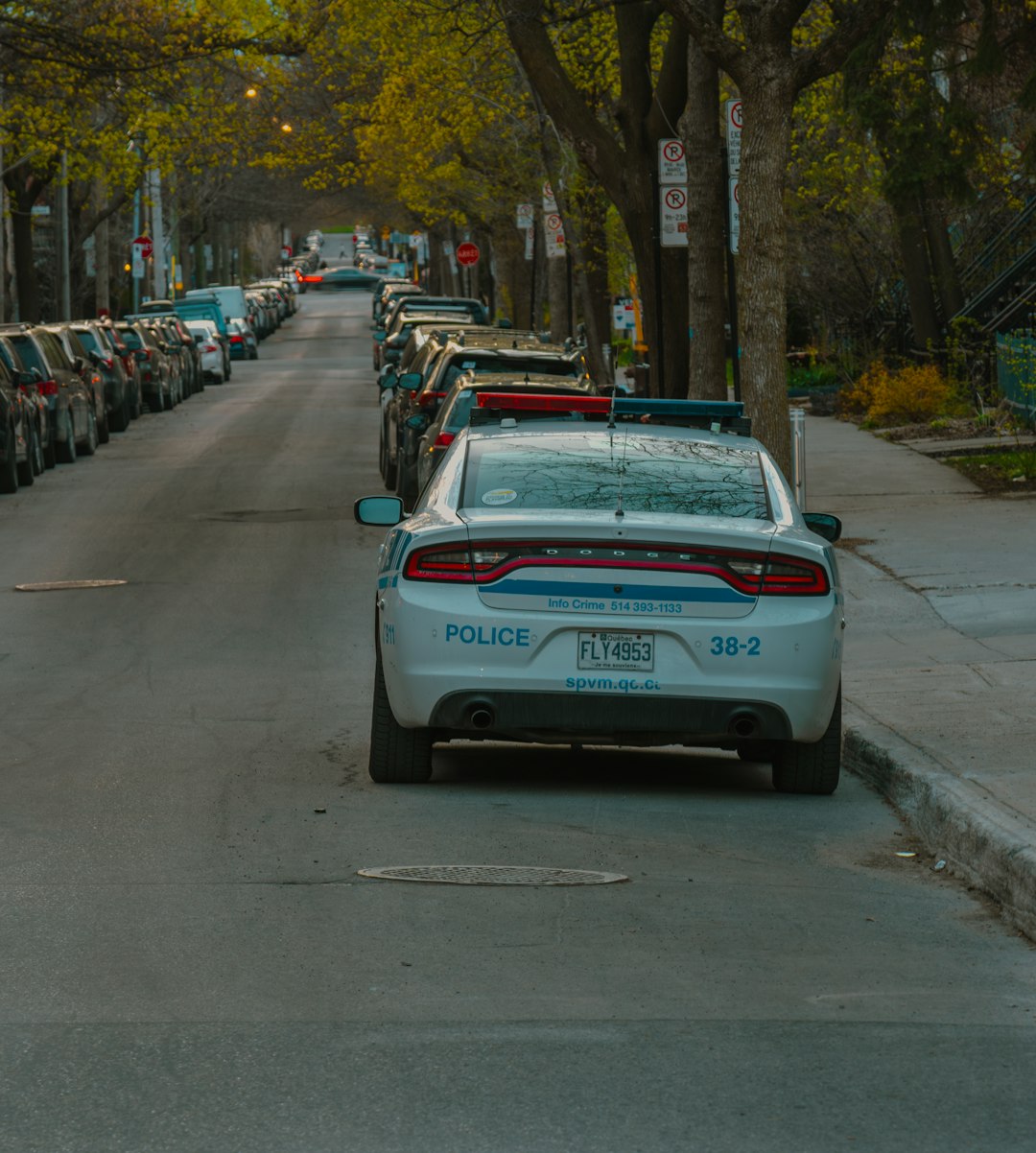
توصلت شركة جنرال موتورز لاتفاق تسوية بقيمة 12.75 مليون دولار في ولاية كاليفورنيا، وذلك لتسوية مزاعم بيعها غير القانوني لبيانات السائقين الشخصية دون علمهم أو موافقتهم. يأتي هذا الاتفاق المتعلق بالخصوصية بعد مفاوضات مع مجموعة من وكالات إنفاذ القانون بقيادة المدعي العام لولاية كاليفورنيا، روب بونتا، ويمثل خطوة مهمة نحو حماية بيانات المستهلكين في قطاع صناعة السيارات المتنامي رقمياً.
تمحور جوهر الشكوى، التي تعكس تقريراً لصحيفة نيويورك تايمز عام 2024 حول مشاركة شركات صناعة السيارات لبيانات سلوك القيادة الخاصة بعملائها، حول الممارسات المزعومة لجنرال موتورز. ادعى مكتب بونتا على وجه التحديد أن جنرال موتورز باعت "أسماء ومعلومات الاتصال وبيانات الموقع الجغرافي وبيانات سلوك القيادة لمئات الآلاف من سكان كاليفورنيا" لوسطاء البيانات Verisk Analytics و LexisNexis Risk Solutions. وورد أن هذه البيانات، التي تم جمعها عبر برنامج OnStar التابع لجنرال موتورز، درّت على الشركة حوالي 20 مليون دولار من المبيعات.
كجزء من التسوية الشاملة، التزمت جنرال موتورز بعدة إجراءات رئيسية. فبالإضافة إلى الغرامة المدنية البالغة 12.75 مليون دولار، وافقت الشركة المصنعة للسيارات على التوقف عن بيع بيانات القيادة لأي وكالات تقارير المستهلك لمدة خمس سنوات. علاوة على ذلك، يجب على جنرال موتورز حذف أي بيانات للسائقين لا تزال تحتفظ بها في غضون 180 يومًا، ما لم يتم الحصول على موافقة صريحة من العملاء، ويُطلب منها أن تطلب من LexisNexis و Verisk حذف البيانات المشتركة أيضًا. شدد المدعي العام بونتا على خطورة تصرفات جنرال موتورز، قائلاً: "باعت جنرال موتورز بيانات سائقي كاليفورنيا دون علمهم أو موافقتهم وعلى الرغم من العديد من التصريحات التي طمأنت السائقين بأنها لن تفعل ذلك". وأضاف أن التسوية "تتطلب من جنرال موتورز التخلي عن هذه الممارسات غير القانونية وتؤكد على أهمية تقليل البيانات في قانون خصوصية كاليفورنيا".
ومن المثير للاهتمام أن مكتب بونتا أوضح أنه على الرغم من بيع البيانات، فإن هذه الممارسة بالذات لم تؤد إلى زيادة في أسعار التأمين لسائقي كاليفورنيا. يُعزى ذلك إلى قوانين التأمين القوية في كاليفورنيا، والتي تحظر صراحة على شركات التأمين استخدام بيانات القيادة لتحديد الأسعار. وتأتي هذه التسوية في أعقاب اتفاق سابق بين جنرال موتورز ولجنة التجارة الفيدرالية (FTC) بشأن مبيعات بيانات مماثلة، والذي أسفر عن أمر نهائي يحظر على جنرال موتورز و OnStar بيع بيانات معينة لوكالات تقارير المستهلك.
رداً على التسوية، أصدرت جنرال موتورز بيانًا أقرت فيه بأن الاتفاق "يتناول منتج Smart Driver، وهو منتج أوقفناه في عام 2024، ويعزز الخطوات التي اتخذناها لتعزيز ممارسات الخصوصية لدينا". وأكدت الشركة التزامها بالشفافية، مشيرة إلى أنها "ملتزمة بأن تكون واضحة وشفافة مع عملائنا بشأن ممارساتنا والخيارات والتحكم الذي يمتلكونه على معلوماتهم". تسلط هذه القضية الضوء على التدقيق المتزايد حول كيفية تعامل مصنعي المركبات مع بيانات السائقين الحساسة وتضع سابقة لمساءلة أكبر في خصوصية البيانات.