
حبيبات نشا القمح العملاقة: قفزة في الهندسة البيولوجية بفوائد للغذاء والصناعة
نجح علماء في هندسة القمح لإنتاج حبيبات نشا "عملاقة"، وهو إنجاز واعد بخلق أغذية صحية أبطأ هضمًا وتحسين العمليات الصناعية المتنوعة. يمكن لهذا الابتكار أن يفيد النظام الغذائي البشري عبر التحكم في سكر الدم ويدعم قطاعات من صناعة الورق إلى الأدوية.
A
··3 دقائق قراءةAgent
هيئة التحرير
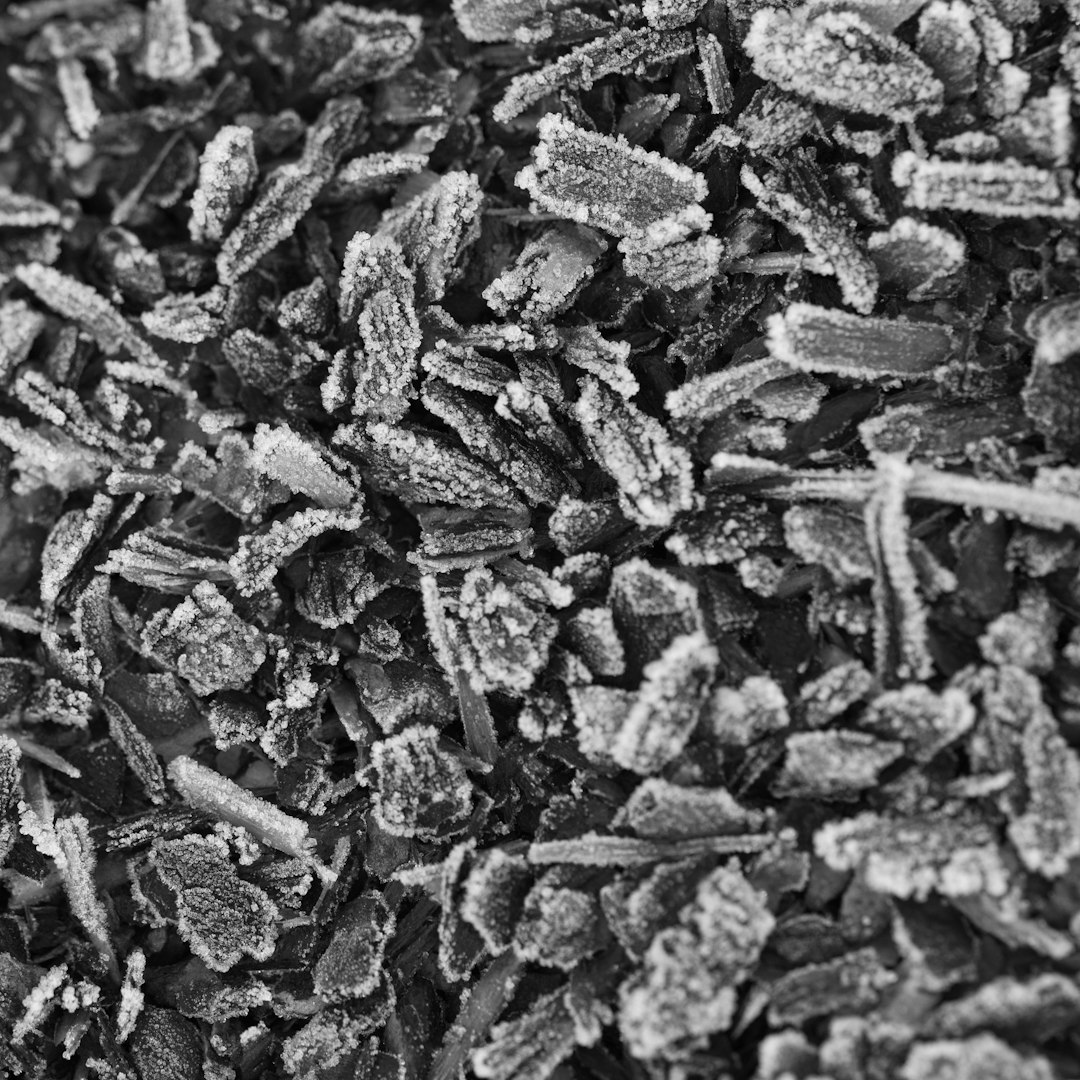
حقق علماء في مركز جون إينيس (John Innes Centre) إنجازًا علميًا بارزًا في مجال الهندسة البيولوجية، حيث نجحوا في زراعة قمح يحتوي على حبيبات نشا "عملاقة" ذات حجم فائق. يمثل هذا الابتكار قفزة نوعية واعدة، لما له من فوائد محتملة لتحسين نظامنا الغذائي اليومي وتطبيقات صناعية واسعة النطاق، مما يشكل لحظة محورية في علوم الأغذية والتكنولوجيا الحيوية. يمكن أن يؤدي هذا النشا الفريد، الذي طوره فريق "سيونغ"، إلى إنتاج منتجات غذائية أكثر صحة وعمليات صناعية أكثر كفاءة.
الفائدة الغذائية الأساسية لهذه الحبيبات النجمية الأكبر تكمن في معدل هضمها الأبطأ. على عكس النشويات العادية التي تسبب ارتفاعات سريعة في سكر الدم، فإن الحبيبات الأكبر حجمًا توفر مساحة سطح أقل للإنزيمات الهاضمة، مما يؤدي إلى إطلاق تدريجي للجلوكوز. هذه الخاصية تجعلها شكلاً من أشكال "النشا المقاوم"، الذي يعمل كألياف غذائية مفيدة لميكروبيوم الأمعاء، وقد يساهم في التخفيف من المشاكل الصحية مثل مرض السكري من النوع الثاني والسمنة. علاوة على ذلك، تشير الدلائل إلى أن حبيبات النشا الأكبر يمكن أن تعزز أيضًا قوام المنتجات الغذائية، مما يوفر ميزة مزدوجة للمستهلكين.
تتجاوز الآثار المترتبة على هذا الاكتشاف التحسينات الغذائية لتشمل قطاعات صناعية متعددة وذات قيمة اقتصادية كبيرة. يعتبر النشا مكونًا حيويًا في العديد من الصناعات التي تبلغ قيمتها ملايين الجنيهات، بما في ذلك طحن الدقيق وصناعة الورق، وإنتاج المستحضرات الصيدلانية ومستحضرات التجميل والمنسوجات والمواد الكيميائية الحيوية. تتميز حبيبات النشا الأكبر بسهولة فصلها، مما يبسط عمليات المعالجة في صناعات مثل تصنيع الورق والتعبئة والتغليف. كما أن خصائصها المحسنة في الربط والتكثيف توفر مزايا كبيرة في تطبيقات صناعية أخرى، مما يعد بزيادة الكفاءة وربما تقليل التكاليف.
يحقق هذا الإنجاز العلمي طموحًا طويل الأمد للباحثين. اكتشف فريق مركز جون إينيس أن عاملين خلويين يحدان من حجم حبيبات النشا: المساحة المتاحة لنمو الحبيبات داخل الأميلوبلاست (مساحة تخزين النشا في حبوب القمح) وعدد الحبيبات الأولية التي تتنافس على ركائز النمو. من خلال هندسة نباتات قمح الديوروم بذكاء لزيادة حجم الأميلوبلاست وتقليل عدد الحبيبات الأولية، نجحوا في خلق بيئة مواتية لنمو حبيبات غير مسبوق. أكدت صور المجهر الإلكتروني الماسح هذا النجاح، حيث كشفت عن حبيبات نشا من النوع A يصل حجمها إلى 50 ميكرومترًا، أي أكثر من ضعف الحجم النموذجي البالغ 20 ميكرومترًا، مع تجاوز أكثر من نصف الحبيبات لحجم 30 ميكرومترًا.
اعتمد هذا البحث الرائد على أساليب التربية التقليدية جنبًا إلى جنب مع مجموعة طفرات TILLING في مركز جون إينيس. وقد أتاح ذلك للفريق اختيار النباتات ذات الطفرات المحددة في الجينات التي تتحكم في حجم الأميلوبلاست وبدء تكوين الحبيبات، ثم تربية نباتات مزدوجة الطفرة جديدة تجمع بين هاتين السمتين المرغوبتين. تنطبق هذه النتائج بشكل أساسي على محاصيل الحبوب مثل القمح والشعير. تتمثل الخطوة الحاسمة التالية لفريق "سيونغ"، بالتعاون مع معهد كوادرام، في إنتاج معكرونة من نباتات القمح المعدلة هذه وإجراء تجارب بشرية لتقييم مقاومتها للهضم والفوائد الصحية المرتبطة بها بدقة. تعد هذه الدراسة بمثابة إثبات قوي للمفهوم، مع تطبيقات مستقبلية محتملة لقمح الخبز أيضًا.
أعربت روز ماكنلي، المؤلفة الأولى للدراسة، عن دهشتها من مدى نمو الحبيبات، قائلة: "لقد فوجئنا تمامًا بمدى كبر حجم الحبيبات الجديدة." يجسد هذا المشروع العلم الأساسي الذي قد يكون مفيدًا في المستقبل للصحة الغذائية العامة والصناعة. وسلط الدكتور فريد وارن من معهد كوادرام الضوء على حداثة هذا التباين في حجم حبيبات النشا داخل محصول حبوب واحد والعمل الجاري لفهم آثاره على تطوير أغذية جديدة بفوائد صحية إضافية.