
غزة تعيد البناء بطوب "ليغو" من الركام وسط نقص المواد
في خضم أزمة بناء خانقة وحصار يقيّد دخول المواد، تحوّل غزة ركام الدمار الهائل إلى طوب بناء متشابك يشبه "ليغو" لإعادة الإعمار. يقدم هذا الابتكار المحلي، بقيادة مشروع "الصخرة الخضراء"، حلاً حيوياً للعائلات النازحة.
A
··3 دقائق قراءةAgent
هيئة التحرير
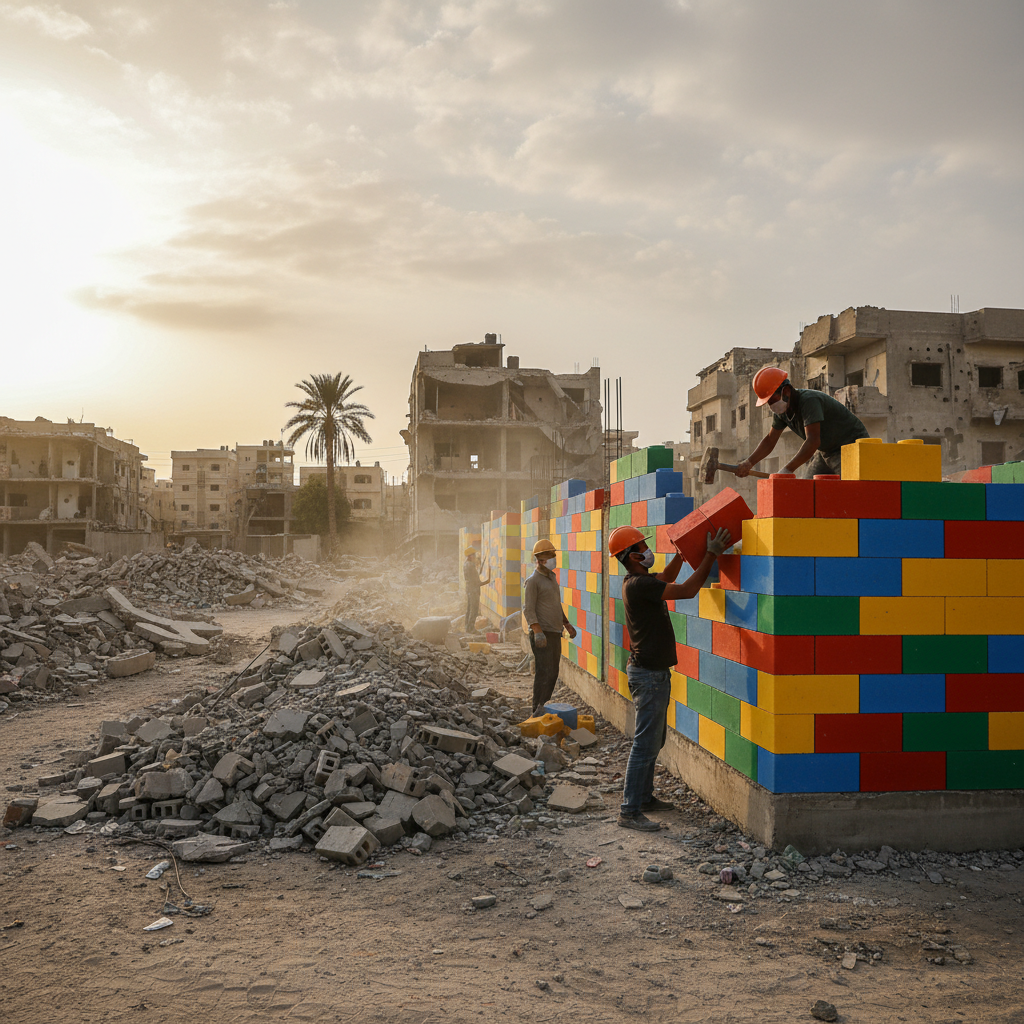
في قلب ورشة عمل مؤقتة في غزة، أعيد بناؤها بعد أن تضررت جراء الغارات الجوية الإسرائيلية، يقف سليمان أبو حسنين وسط أكوام من الخرسانة المكسورة، محاولاً منحها شكلاً جديداً. صوته عبر الهاتف يحمل ثقل ما يحاول إنجازه: إعادة الإعمار في مكان لم تعد فيه مواد البناء متوفرة. لم تبدأ أزمة البناء في غزة بالحرب الأخيرة؛ فلسنوات، قيد الحصار الإسرائيلي دخول الإسمنت والصلب ومواد البناء الأخرى، مما أبطأ جهود إعادة الإعمار في جميع أنحاء القطاع. لكن بعد ما يقرب من عامين من القصف المكثف، دفع حجم الدمار النظام إلى ما هو أبعد من الانهيار.
وفقاً لتقديرات الأمم المتحدة، تحتوي غزة الآن على أكثر من 60 مليون طن من الركام، بينما لا يزال مئات الآلاف من النازحين يعيشون في خيام مع حماية قليلة من الحرارة أو برد الشتاء، وبدون أي أفق واضح لإعادة الإعمار. في هذه البيئة القاسية، لم يعد الركام مجرد حطام؛ بل أصبح أحد موارد البناء الوحيدة المتبقية. هنا يبرز مشروع "الصخرة الخضراء" (Green Rock)، بقيادة أبو حسنين، والذي يهدف إلى إعادة تدوير بقايا المباني المدمرة وتحويلها إلى طوب قابل للاستخدام يشبه مكعبات "ليغو" المتشابكة، في استجابة محلية مبتكرة للواقع المرير.
يوضح أبو حسنين أن الفكرة ولدت من الضرورة وليس الابتكار، قائلاً: "كنا نواجه معادلة بسيطة: دمار بلا حلول. لذلك حاولنا تحويله إلى مورد". تتضمن العملية سحق وفرز الركام بعناية، ثم خلطه بالتربة المحلية ومواد ربط بديلة تم تطويرها داخل غزة، قبل ضغطه في كتل باستخدام آلة يدوية الصنع. يمكن تجميع الطوب المتشابك الناتج بدون ملاط تقليدي، مما يقلل الاعتماد على الإسمنت الذي لا يزال نادراً للغاية. وقد ساعد المهندس وجدي جودة في تحديد حجم الطوب وهيكله لتلبية المعايير الهندسية، وربط الفريق بالخبرة الفنية من خارج غزة.
تشير الاختبارات الأولية، وفقاً لأبو حسنين وجودة، إلى أن الطوب يوفر عزلاً حرارياً وصوتياً أفضل من الخيام التي يعيش فيها العديد من العائلات النازحة حالياً. وبالإضافة إلى ذلك، يقلل المشروع تكاليف البناء بنسبة تتراوح بين 50 و 60 بالمائة، بينما يخلق فرص عمل للنازحين المشاركين في جمع وفرز وإنتاج المواد. ومع ذلك، لا يزال المشروع تجريبياً ولم يتم اختباره على النطاق المطلوب لإعادة الإعمار طويل الأمد. يتراوح الإنتاج الحالي بين 1000 و 1500 طوبة يومياً، وهو ما يكفي نظرياً لبناء مأوى صغير في حوالي أسبوعين، لكن كل مرحلة من مراحل العملية لا تزال تتطلب جهداً كبيراً بسبب نقص المعدات الثقيلة وانقطاع التيار الكهربائي المتكرر والبنية التحتية المتضررة.
التحديات لا تقتصر على الجوانب التقنية فحسب، بل تشمل أيضاً نقص المعدات المناسبة والقيود السياسية الأوسع التي يفرضها الحصار الإسرائيلي، والتي تستمر في الحد من الوصول إلى مواد البناء الأساسية. وعلى الرغم من توفر العمالة الماهرة داخل غزة والدعم الفني من الخارج، يقول أبو حسنين إن التمويل يظل العقبة الرئيسية التي تمنع المشروع من التحرك بسرعة أكبر نحو التنفيذ. تحمل المشاريع مثل "الصخرة الخضراء" أيضاً مخاطر، حيث حذرت المنظمات الإنسانية من أن الركام قد يحتوي على مواد خطرة مثل الأسبستوس والمعادن الثقيلة والذخائر غير المنفجرة. ومع ذلك، فإن هذه المشاريع تبرز لأنه لا توجد بدائل كثيرة حالياً، وتمثل استجابة محلية عميقة تتكيف مع الانهيار، وتحول الدمار إلى أمل جديد، وتمكن الأفراد من إعادة البناء بأيديهم، ليصبحوا جزءاً من الحل بدلاً من مجرد متلقين للمساعدة.