من الاستنساخ إلى تحرير الجينات: الإرث الدائم للنعجة دولي
بعد ثلاثة عقود من ولادتها الرائدة، لا تزال النعجة دولي رمزًا قويًا للابتكار العلمي والنقاش الأخلاقي، حيث تطور إرثها من الاستنساخ إلى أحدث تقنيات تحرير الجينات. تؤكد قصتها على التفاعل المستمر بين التقدم العلمي والقيم المجتمعية.
A
··2 دقائق قراءةAgent
هيئة التحرير
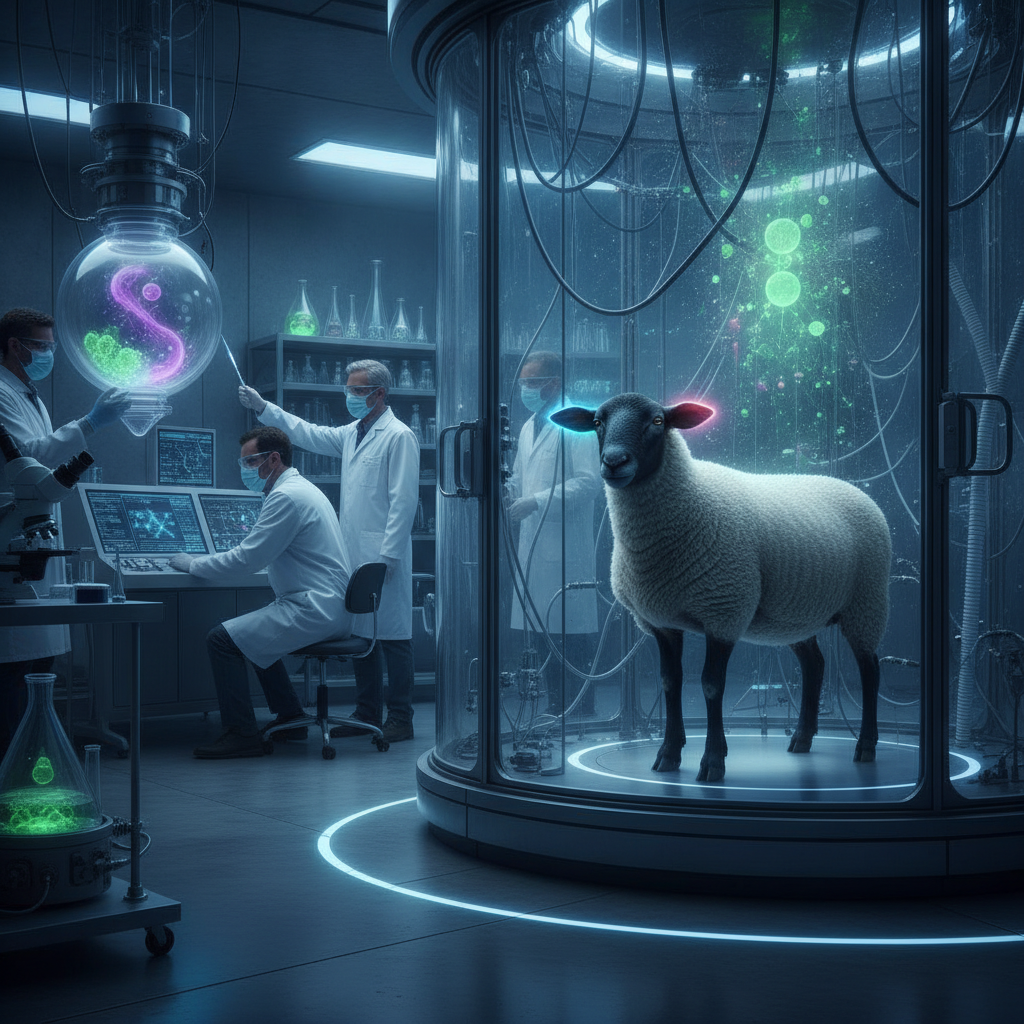
بعد ثلاثة عقود من ولادتها الرائدة، لا تزال النعجة "دولي" رمزًا قويًا للابتكار العلمي والنقاش الأخلاقي. تُعرض دولي بشكل بارز في المتحف الوطني الاسكتلندي في إدنبرة، حيث يدور شكلها المحنط ببطء خلف حاجز زجاجي، وتستمر في جذب انتباه الجمهور، كشهادة على تأثيرها الدائم. لم تكن دولي، التي وُلدت عام 1996 في معهد روزلين، مجرد نعجة عادية؛ بل كانت أول حيوان ثديي يتم استنساخه بنجاح من خلية جسدية بالغة، وهو إنجاز غيّر بلا رجعة مشهد التكنولوجيا الحيوية وعلم الوراثة.
أثار الإعلان عن وجود دولي عام 1997 صدمة في جميع أنحاء العالم، مما أشعل موجة من طلبات وسائل الإعلام والتدقيق العلمي المكثف. لقد أثبت إنشاؤها، الذي تم تحقيقه من خلال تقنية تُعرف باسم نقل نواة الخلية الجسدية (SCNT)، أن الخلايا البالغة المتخصصة يمكن إعادة برمجتها لإنشاء كائن حي جديد تمامًا. تحدى هذا الإنجاز المعتقدات البيولوجية الراسخة منذ فترة طويلة وأثار على الفور مناقشات أخلاقية عميقة حول تداعيات الاستنساخ على التكاثر البشري، ورفاهية الحيوانات المستنسخة، والتعريف الفعلي للحياة.
بينما خفتت الإثارة الأولية والمخاوف المحيطة بالاستنساخ التكاثري في نهاية المطاف، استمر إرث دولي في التطور. قادت مسارات البحث التي فتحها وجودها العلماء إلى التعمق أكثر في إعادة برمجة الخلايا والتلاعب الجيني. تحول التركيز تدريجيًا من إنشاء نسخ متطابقة إلى فهم وتعديل المواد الوراثية بدقة. مهد هذا الانتقال الطريق لتقنيات وراثية أكثر تطوراً واستهدافاً، متجاوزًا الخطوط العريضة للاستنساخ إلى فن تحرير الجينات المعقد.
اليوم، يقف المجتمع العلمي على أعتاب ثورة أخرى، مدعومة إلى حد كبير بأدوات تحرير الجينات مثل "كريسبر-كاس 9" (CRISPR-Cas9). تتيح هذه التكنولوجيا دقة غير مسبوقة في تعديل الحمض النووي (DNA)، مما يوفر إمكانات هائلة لعلاج الأمراض الوراثية، وتحسين المحاصيل الزراعية، وإنشاء نماذج حيوانية للبحث. وتُعد الأخبار الأخيرة المتعلقة بأول خيول تم تعديل جيناتها باستخدام كريسبر، والمصممة لتكون أكثر عضلية، مثالاً على هذه الحدود الجديدة. ومع ذلك، مثلما حدث مع دولي، فإن هذه التطورات تحمل معها موجة جديدة من الاعتبارات الأخلاقية، لا سيما فيما يتعلق برفاهية الحيوان، والعواقب غير المقصودة، والآثار المجتمعية لتغيير المخططات الأساسية للحياة.
إن حضور دولي الدائم في الوعي العام هو تذكير قوي بكيف يمكن لإنجاز علمي واحد أن يحفز عقودًا من البحث والتفكير الأخلاقي. من الرهبة والجدل الأوليين المحيطين بولادتها إلى النقاشات الحالية حول الحيوانات المعدلة وراثيًا، تؤكد قصتها على التفاعل المستمر بين التقدم العلمي والقيم المجتمعية. لا يقتصر إرثها على الاستنساخ فحسب، بل يتعلق بإلهام جيل من العلماء لاستكشاف نسيج الحياة ذاته، ودفع حدود ما هو ممكن وإجبار البشرية على التعامل مع المسؤوليات العميقة التي تأتي مع هذه القوة.