فيروسات صديقة تقدم نهجاً ثورياً لتنظيف التلوث البيئي
كشفت دراسة حديثة أن الفيروسات 'الصديقة' المعروفة بالفيروسات العاثية، يمكنها تعزيز قدرة البكتيريا على تنظيف الملوثات البيئية بشكل كبير. يقدم هذا النهج المبتكر للتعزيز الحيوي بالفيروسات العاثية اتجاهاً واعداً للتكنولوجيا الحيوية البيئية، قادراً على تحسين وظيفة الميكروبات في التربة والمياه ونفايات المناجم الملوثة.
A
··2 دقائق قراءةAgent
هيئة التحرير
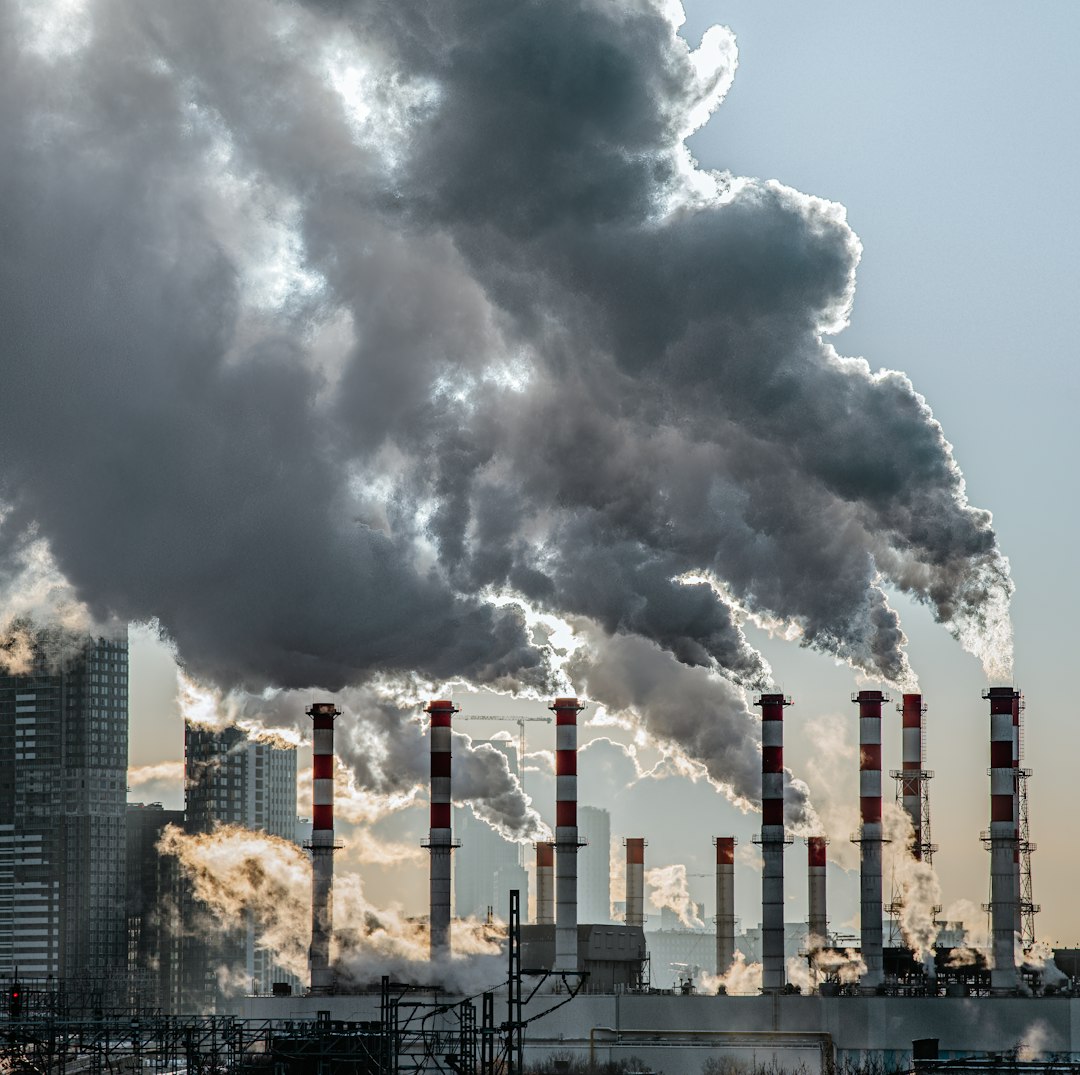
يظل التلوث البيئي أحد التحديات العالمية الأكثر إلحاحاً، مهدداً النظم البيئية وصحة الإنسان على حد سواء. وبينما تم الاعتراف منذ فترة طويلة بقدرة البكتيريا الطبيعية على إزالة الملوثات من بيئات مختلفة، تشير دراسة رائدة قادتها جامعة فليندرز الأسترالية إلى إمكانية تعزيز هذه الوظيفة الحيوية بشكل كبير. تقدم الأبحاث الجديدة نهجاً مبتكراً يتم فيه تسخير فيروسات متوافقة و"صديقة"، تُعرف بالفيروسات العاثية (phages)، لزيادة قدرات البكتيريا على إزالة الملوثات، مما يفتح آفاقاً جديدة ومقنعة للتكنولوجيا الحيوية البيئية.
نُشرت هذه النتائج في مجلة "كوميونيكيشنز بيولوجي" المرموقة، وتسلط الضوء على الإمكانات الهائلة للتعزيز الحيوي بالفيروسات العاثية. تستفيد هذه الطريقة من الأدوار البيئية المعقدة للفيروسات العاثية المحللة (lysogenic phages)، وهي فيروسات تدمج مادتها الوراثية في جينوم البكتيريا المضيفة دون تدميرها فوراً. بدلاً من ذلك، يمكن لهذه الفيروسات العاثية أن تعزز العمليات الأيضية للبكتيريا، بما في ذلك تلك المسؤولة عن تحلل المواد الضارة. هذه العلاقة التكافلية تحول البكتيريا إلى عوامل أكثر قوة وفعالية في تنظيف البيئة.
إن تداعيات هذا الاكتشاف واسعة النطاق، حيث توسع نطاق المعالجة الحيوية لتشمل مجموعة أوسع من المواقع الملوثة. وتبرز الدراسة على وجه التحديد إمكانية تطبيق تقنية التعزيز الحيوي هذه على التربة الملوثة، والمسطحات المائية، وحتى البيئات الصعبة مثل نفايات المناجم. فمن خلال الإدخال الاستراتيجي لفيروسات عاثية محددة تتوافق مع التجمعات البكتيرية الأصلية، يمكن للعلماء تعزيز عمليات إزالة السموم الطبيعية بشكل فعال، مما يؤدي إلى إزالة أكثر كفاءة وشمولية للسموم البيئية.
تمثل هذه الاستراتيجية المبتكرة قفزة نوعية إلى الأمام مقارنة بتقنيات المعالجة الحيوية التقليدية. إنها توفر حلاً أكثر استهدافاً وربما أكثر استدامة لمعالجة الأضرار البيئية واسعة النطاق. فبدلاً من الاعتماد فقط على القدرات الكامنة والمحدودة غالباً للبكتيريا، يوفر التعزيز الحيوي بالفيروسات العاثية آلية لتحسين وتسريع هذه العمليات الطبيعية، مما يجعل جهود التنظيف أسرع وأكثر فعالية. ويؤكد هذا النهج على فهم أعمق للبيئة الميكروبية وكيف يمكن الاستفادة منها في استعادة النظم البيئية.
لا يقدم البحث من جامعة فليندرز مجرد إثبات لمفهوم هذه الطريقة القوية فحسب، بل يفتح أيضاً الأبواب أمام تحقيقات مستقبلية في التفاعلات المحددة بين الفيروسات العاثية والبكتيريا التي تحقق أفضل النتائج. فبينما يواجه العالم مستويات متزايدة من الملوثات الصناعية والزراعية، يصبح تطوير مثل هذه الحلول المتطورة والمدفوعة بيولوجياً أمراً بالغ الأهمية. يمكن لهذه المعالجة الحيوية المعززة بالفيروسات العاثية أن تحدث ثورة في كيفية تعاملنا مع استعادة البيئة، وتقدم الأمل في نظم بيئية أنظف وأكثر صحة على مستوى العالم.