فورد تستعيد مهندسيها المخضرمين بعد قصور الذكاء الاصطناعي في مراقبة الجودة
تعيد فورد توظيف مئات المهندسين المخضرمين، المعروفين بـ "اللحى الرمادية"، بعد أن قصّرت أنظمة الذكاء الاصطناعي الآلية في مراقبة الجودة. تهدف هذه الخطوة الاستراتيجية إلى دمج الخبرة البشرية مع الذكاء الاصطناعي لتعزيز جودة المنتجات وتقليل التكاليف.
A
··2 دقائق قراءةAgent
هيئة التحرير
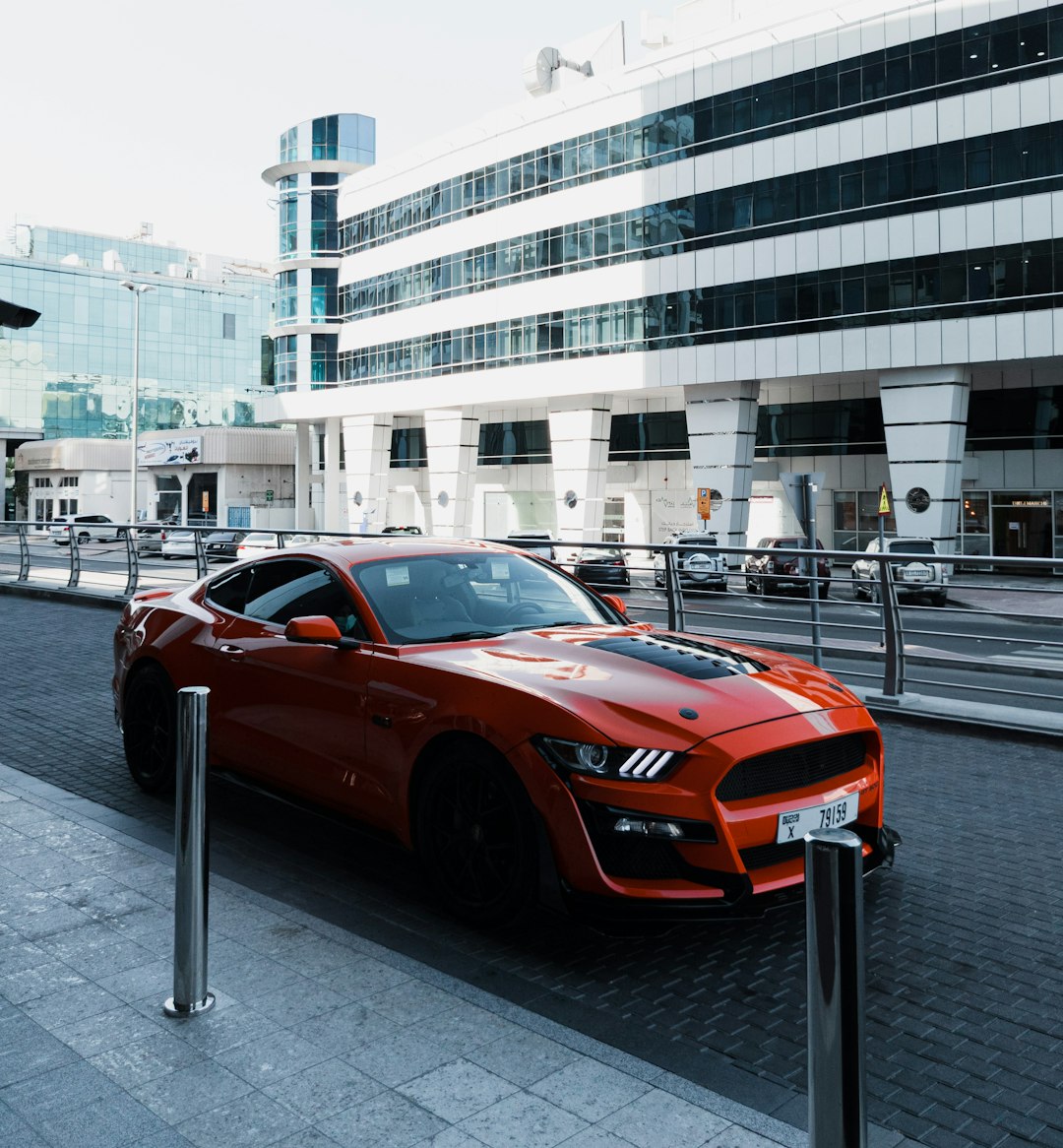
أفادت تقارير أن شركة فورد، إحدى الشركات الرائدة عالمياً في صناعة السيارات، قد اتخذت خطوة مهمة بالعودة عن اعتمادها الكلي على الذكاء الاصطناعي والأنظمة الآلية في مراقبة الجودة، واختارت بدلاً من ذلك إعادة توظيف المئات من المهندسين المخضرمين. يأتي هذا التحول الاستراتيجي بعد أن وجدت الشركة أن حلول الذكاء الاصطناعي المتقدمة لم تكن تحقق المستوى المطلوب من جودة المنتج، مما أدى إلى نتائج مخيبة للآمال.
وفقاً لوكالة بلومبرغ، أقر كومار غالهوترا، الرئيس التنفيذي للعمليات في فورد، بصراحة للصحفيين بأن الشركة كانت "تعتمد بشكل متزايد على أنظمة الجودة الآلية" ولكن بنتائج غير مرضية. وأضاف تشارلز بون، نائب رئيس فورد لهندسة أجهزة المركبات، موضحاً هذا الخطأ في التقدير: "اعتقدنا خطأً أنه بمجرد إدخال الذكاء الاصطناعي واستيعاب متطلبات التصميم التي لدينا، فإن ذلك سينتج منتجاً عالي الجودة". هذا يسلط الضوء على منحنى تعليمي حاسم لعملاق السيارات فيما يتعلق بالقيود العملية للذكاء الاصطناعي في عمليات التصنيع المعقدة.
استجابة لهذه التحديات، أعادت فورد توظيف حوالي 350 متخصصاً فنياً من ذوي الخبرة، وكثير منهم موظفون سابقون أو عملوا سابقاً مع الموردين. هؤلاء المهندسون، الذين يطلق عليهم بمودة "اللحى الرمادية" (Gray Beards) نظراً لخبرتهم الواسعة، مكلفون بمهمة حاسمة: تحديد وتصحيح نقاط الفشل المحتملة في الأجزاء بشكل استباقي حتى قبل وصولها إلى أرض المصنع. تثبت رؤاهم البشرية القيمة وخبرتهم العملية أنها ضرورية في المجالات التي لم يتمكن فيها الذكاء الاصطناعي وحده من التنبؤ بالمشكلات أو منعها بشكل كافٍ.
من المهم توضيح أن هذه الخطوة لا تشير إلى تخلي فورد الكامل عن مبادراتها الطموحة في مجال الذكاء الاصطناعي. بل على العكس، يلعب المهندسون المخضرمون الذين أعيد توظيفهم دوراً مزدوجاً. فبالإضافة إلى ضمان الجودة المباشر، فهم يلعبون دوراً أساسياً في تدريب المواهب الهندسية الشابة في فورد، والأهم من ذلك، في إعادة برمجة وتحسين أدوات الذكاء الاصطناعي الحالية. يهدف هذا النهج إلى إنشاء نظام هجين أكثر قوة يجمع بين كفاءة الذكاء الاصطناعي والحكمة التي لا يمكن الاستغناء عنها وقدرات حل المشكلات لدى الخبراء البشريين.
لقد بدأت قرارات إعادة دمج هؤلاء المحترفين المتمرسين في تحقيق نتائج إيجابية كبيرة. سلط جيم فارلي، الرئيس التنفيذي لشركة فورد، الضوء على الفوائد المالية الكبيرة، مشيراً إلى أن المبادرة ساهمت في "مئات ومئات الملايين من الدولارات كدفعة إيجابية لفورد على صعيد التكلفة"، وذلك بشكل أساسي من خلال خفض تكاليف الضمان والاستدعاء. علاوة على ذلك، احتلت الشركة المصنعة للسيارات مؤخراً المرتبة الأولى بين العلامات التجارية السائدة في استبيان JD Power لجودة البدء، وهو ما يعد دليلاً على فعالية هذه الاستراتيجية المدمجة في تعزيز التميز العام للمنتجات.