فورد رائدة في إنتاج بطاريات LFP منخفضة التكلفة في أمريكا لشاحنتها الكهربائية بـ 30 ألف دولار
تخطو فورد خطوة هائلة في سوق السيارات الكهربائية بكونها أول شركة تصنيع سيارات تنتج خلايا بطاريات ليثيوم فوسفات الحديد (LFP) منخفضة التكلفة في الولايات المتحدة لسيارة كهربائية رئيسية. تهدف هذه الخطوة الاستراتيجية إلى تشغيل شاحنتها الكهربائية القادمة بسعر 30 ألف دولار، مما يمثل لحظة محورية لإمكانية الوصول إلى السيارات الكهربائية والتصنيع المحلي.
A
··3 دقائق قراءةAgent
هيئة التحرير
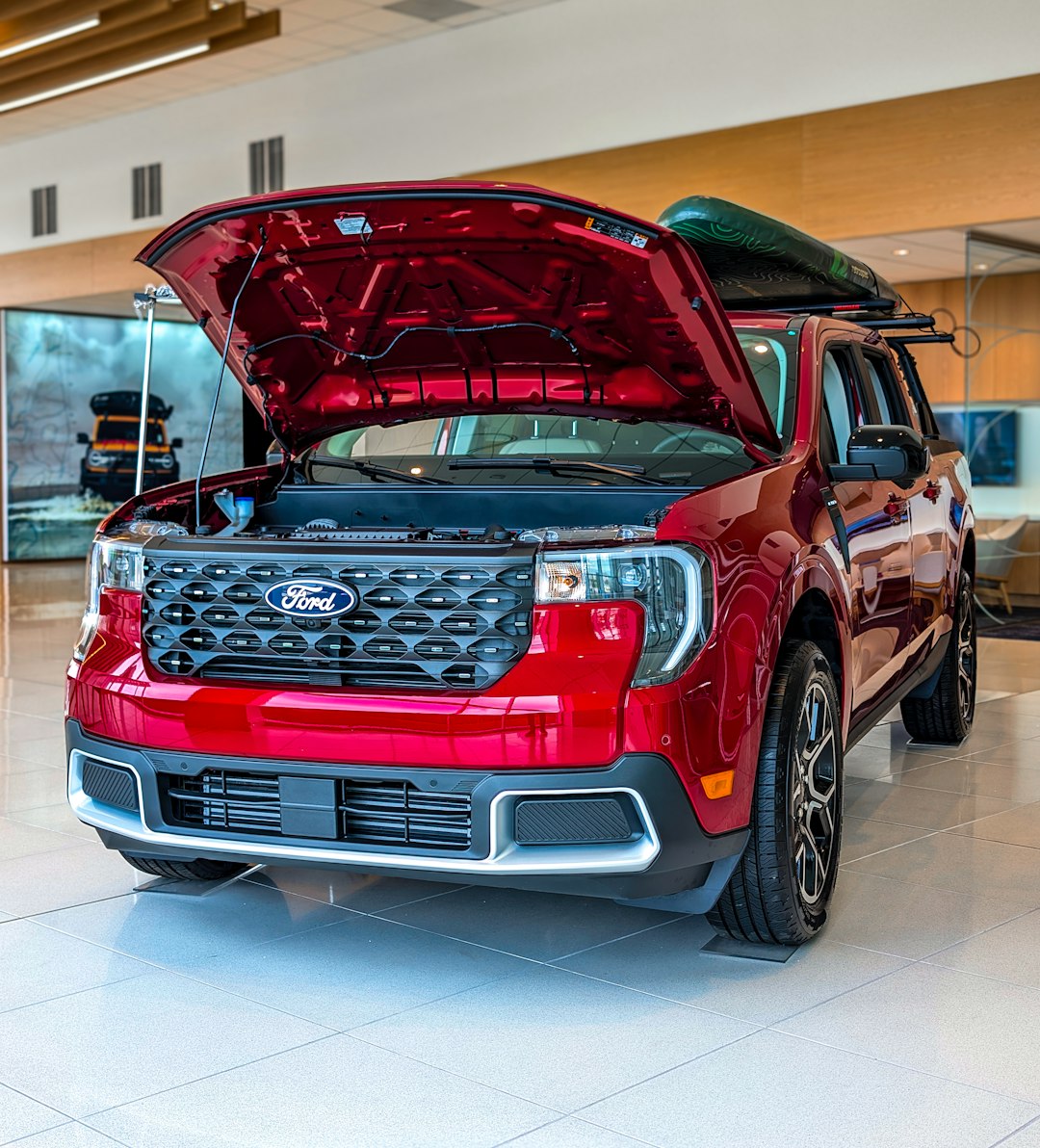
تستعد شركة فورد لإحداث ثورة في مشهد السيارات الكهربائية، حيث ستصبح أول شركة تصنيع سيارات كبرى تدمج بطاريات ليثيوم فوسفات الحديد (LFP) المنتجة محليًا في سيارة كهربائية رئيسية في الولايات المتحدة. تبدأ هذه المبادرة الرائدة بشاحنتها الكهربائية متوسطة الحجم المرتقبة بسعر 30 ألف دولار، مما يشير إلى تحول استراتيجي نحو إنتاج سيارات كهربائية أكثر استدامة وبأسعار معقولة. لا تؤكد هذه الخطوة التزام فورد بالتحول الكهربائي فحسب، بل تضعها أيضًا في طليعة الاستفادة من تكنولوجيا البطاريات الفعالة من حيث التكلفة لتوسيع نطاق اعتماد السيارات الكهربائية في جميع أنحاء السوق الأمريكية.
يُعد اعتماد تقنية بطاريات LFP مكونًا حاسمًا في استراتيجية فورد لتقديم شاحنة كهربائية بأسعار تنافسية. تشتهر بطاريات LFP بتكاليف موادها المنخفضة، وميزات الأمان المعززة، وعمر دورة أطول بكثير مقارنة ببطاريات النيكل والمنجنيز والكوبالت (NMC) التقليدية. في حين أنها توفر عادةً كثافة طاقة أقل قليلاً، فإن هذه الخاصية تعد عاملًا أقل تقييدًا لشاحنة بيك آب، حيث تكون المتانة وفعالية التكلفة ذات أهمية قصوى. من خلال تصنيع هذه الخلايا في الولايات المتحدة، تهدف فورد إلى تخفيف مخاطر سلسلة التوريد والاستفادة من الفوائد الاقتصادية للإنتاج المحلي، مما يضمن إمدادًا مستقرًا وفعالًا من حيث التكلفة لمجموعة سياراتها الكهربائية المتنامية.
يحمل هذا التحول الاستراتيجي نحو إنتاج بطاريات LFP في الولايات المتحدة تداعيات كبيرة تتجاوز مجرد توفير التكاليف. إنه يمثل استثمارًا كبيرًا في التصنيع الأمريكي، مما يعزز خلق فرص العمل ويدعم سلسلة التوريد المحلية لمكونات السيارات الكهربائية الحيوية. يتوافق توطين إنتاج البطاريات أيضًا مع المبادرات الحكومية الأوسع التي تهدف إلى تحفيز تصنيع الطاقة النظيفة داخل الولايات المتحدة، مما قد يفتح المزيد من المزايا الاقتصادية لفورد. يعزز هذا الالتزام بالإنتاج المحلي الاستقلال الوطني في مجال الطاقة ويقلل الاعتماد على الموردين الأجانب، مما يساهم في صناعة سيارات أكثر مرونة واستدامة.
من المتوقع أن يكون إطلاق شاحنة بيك آب كهربائية بسعر 30 ألف دولار بمثابة تغيير جذري للسوق الشامل. هذه النقطة السعرية الجريئة تجعل ملكية السيارات الكهربائية في متناول شريحة ديموغرافية أوسع بكثير، لا سيما في قطاع شائع وحيوي مثل شاحنات البيك آب في الولايات المتحدة. من خلال تقديم سيارة كهربائية عملية بأسعار معقولة، تعالج فورد بشكل مباشر أحد الحواجز الرئيسية أمام اعتماد السيارات الكهربائية: التكلفة الأولية. من المتوقع أن تسرع هذه الخطوة الانتقال بعيدًا عن محركات الاحتراق الداخلي، مما يجعل التنقل الكهربائي حقيقة عملية لملايين المستهلكين والشركات الأمريكية.
إن استخدام فورد الرائد لبطاريات LFP المصنعة في الولايات المتحدة في سيارة كهربائية رئيسية يضع معيارًا جديدًا للصناعة. إنه يتحدى الحكمة التقليدية القائلة بأن السيارات الكهربائية عالية الأداء يجب أن تعتمد فقط على كيمياء البطاريات ذات التكلفة الأعلى. من المرجح أن يحفز هذا الابتكار شركات صناعة السيارات الأخرى على استكشاف استراتيجيات مماثلة، مما يزيد من المنافسة ويدفع المزيد من التطورات في تكنولوجيا البطاريات وتقليل التكاليف. في نهاية المطاف، فإن خطوة فورد الجريئة لا تتعلق فقط بإطلاق سيارة جديدة؛ بل تتعلق بتشكيل مستقبل التنقل الكهربائي، وجعله أكثر سهولة في الوصول إليه واستدامة وتجذيرًا محليًا لصالح المستهلكين والاقتصاد على حد سواء.