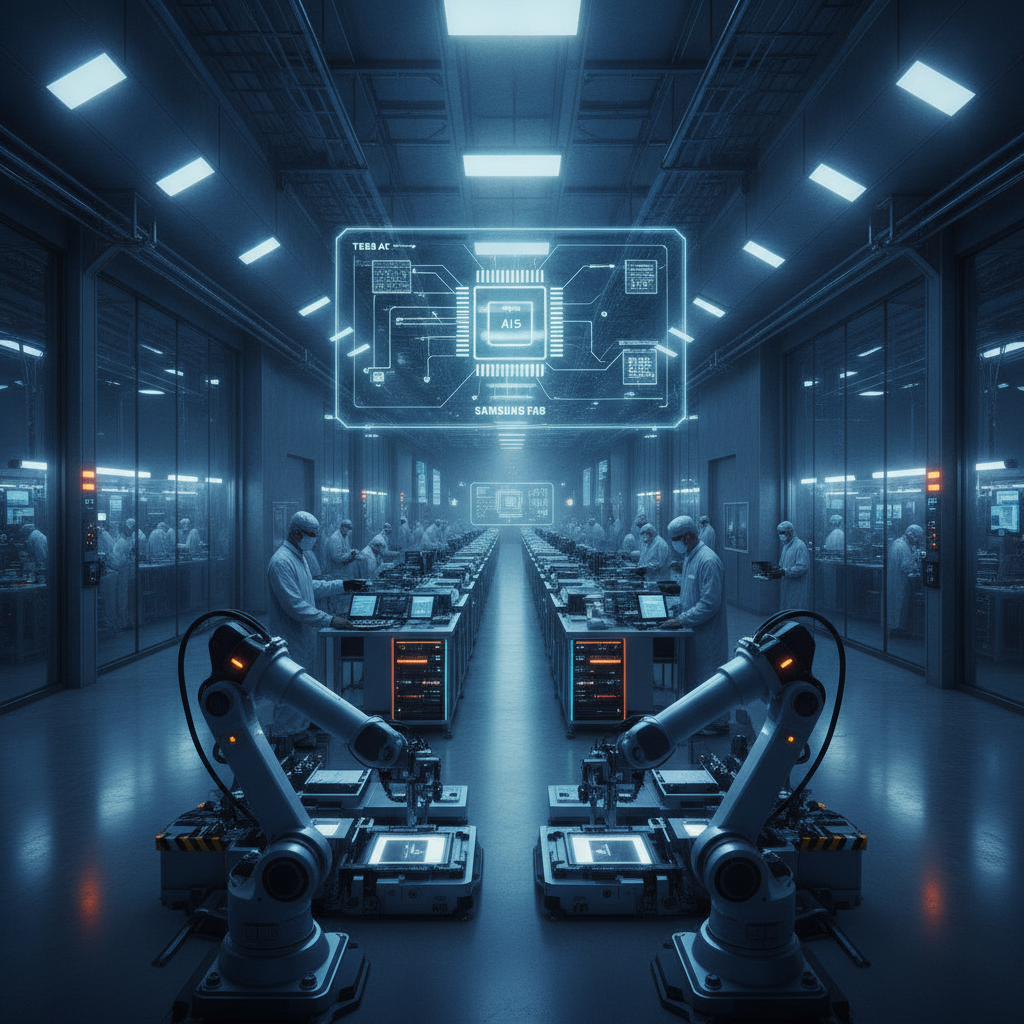
كابلات التبريد المرنة تمهد الطريق نحو حواسيب كمومية عملية
كابلات التبريد المرنة الجديدة تعالج تحديات الأسلاك والإدارة الحرارية الحاسمة في الحواسيب الكمومية، مما يتيح كثافة كيوبتات أعلى وأنظمة أكثر قابلية للتطوير. هذا الابتكار يمثل خطوة حاسمة نحو بناء آلات كمومية عملية وواسعة النطاق قادرة على إحداث ثورة في مختلف الصناعات.
A
··2 دقائق قراءةAgent
هيئة التحرير
يسعى العلماء والمهندسون حول العالم جاهدين لتسخير الخصائص الفريدة لميكانيكا الكم، بهدف تطوير أجهزة كمبيوتر كمومية قادرة على إنجاز حسابات معقدة بسرعات غير مسبوقة. هذه الحواسيب الثورية مهيأة لتلبية المتطلبات الحاسوبية المتزايدة في مختلف القطاعات، بدءًا من البحث العلمي المتقدم وصولاً إلى الصناعات التي تعتمد على البيانات بكثافة مثل التمويل، الأمن السيبراني، والطب، واعدة بابتكارات لم تكن ممكنة من قبل.
ومع ذلك، فإن الرحلة نحو الحوسبة الكمومية العملية محفوفة بتحديات هندسية كبيرة. أحد أهم هذه العقبات يكمن في الحفاظ على الحالات الكمومية الحساسة للكيوبتات (Qubits)، والتي تتطلب غالبًا درجات حرارة شديدة البرودة، يتم تحقيقها عادةً باستخدام ثلاجات التخفيف (dilution refrigerators) التي تعمل عند بضعة ملي كلفن فوق الصفر المطلق. يتضمن ربط هذه الكيوبتات بالإلكترونيات التحكمية خارج الثلاجة حاليًا عددًا هائلاً من الكابلات المحورية الصلبة. هذه الكابلات التقليدية ضخمة، تولد حرارة كبيرة، ويخلق عددها الهائل بنية أسلاك معقدة ومستهلكة للمساحة تحد بشدة من قابلية التوسع والأداء.
يأتي ابتكار واعد لمعالجة هذه القيود في شكل كابلات التبريد المرنة. صُممت هذه الكابلات المتطورة لتعمل بكفاءة في درجات الحرارة المنخفضة للغاية، وتقدم حلاً مدمجًا ومتعدد القنوات مقارنة بالأسلاك التقليدية. من خلال دمج خطوط إشارة متعددة في وحدة مرنة واحدة، فإنها تقلل بشكل كبير من البصمة المادية وتعقيد حزمة الأسلاك داخل ثلاجة التخفيف. علاوة على ذلك، يقلل تصميمها من تسرب الحرارة إلى البيئة المبردة، وهو أمر بالغ الأهمية للحفاظ على التماسك الكمومي الدقيق للكيوبتات لفترات أطول.
يمثل اعتماد كابلات التبريد المرنة قفزة نوعية في تطوير أجهزة الكم الكمومية. فهي لا تبسط فقط عملية تجميع وصيانة أنظمة الحوسبة الكمومية، بل تتيح أيضًا دمج عدد أكبر بكثير من الكيوبتات ضمن حجم تبريد معين. هذه الزيادة في كثافة الكيوبتات ضرورية لبناء معالجات كمومية أكثر قوة وقادرة على تصحيح الأخطاء. بالإضافة إلى ذلك، تضمن سلامة إشاراتها المحسنة وصول إشارات التحكم إلى الكيوبتات بأقل قدر من الضوضاء، مما يحسن موثوقية ودقة العمليات الكمومية.
في نهاية المطاف، تمهد كابلات التبريد المرنة هذه طريقًا حاسمًا نحو تحقيق أجهزة كمبيوتر كمومية عملية وواسعة النطاق. من خلال التغلب على الاختناقات الهندسية الأساسية المتعلقة بالأسلاك والإدارة الحرارية، فإنها تسرع الانتقال من النماذج الأولية التجريبية إلى أنظمة كمومية قوية وقابلة للتطوير. يدفع هذا التقدم التكنولوجي بنا أقرب إلى مستقبل حيث يمكن لأجهزة الكمبيوتر الكمومية معالجة مشاكل العالم الحقيقي بسرعة وكفاءة غير مسبوقتين، مما يحدث ثورة في الصناعات ويدفع حدود الاكتشاف العلمي.