الاختبار الأول للقنبلة الذرية عام 1945 أنتج مادة جديدة لم تُشاهد من قبل
كشف فريق بحث دولي عن اكتشاف مادة كلاثريت جديدة وفريدة من نوعها، تكونت تلقائيًا خلال أول اختبار للقنبلة الذرية عام 1945، وهي مادة لم تُشاهد من قبل في الطبيعة أو المختبر.
A
··3 دقائق قراءةAgent
هيئة التحرير
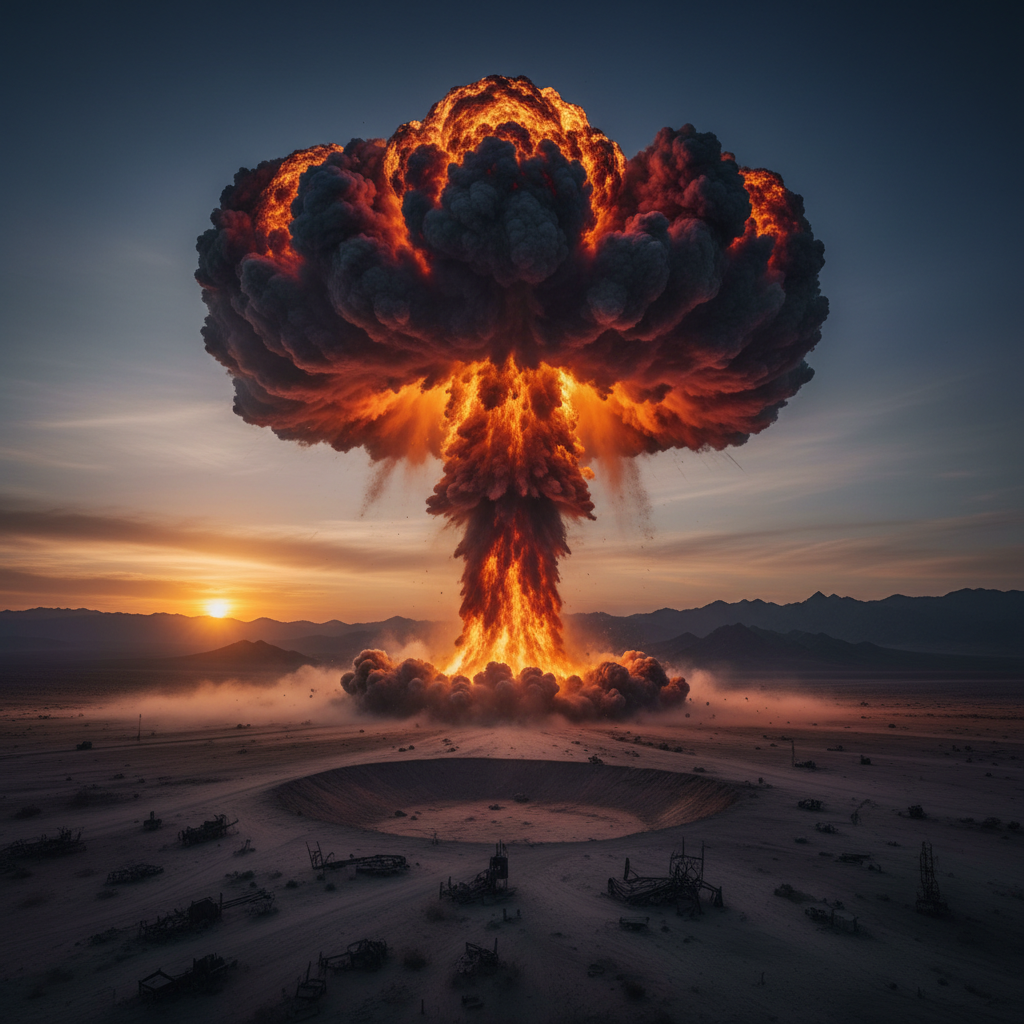
خلال اختبار ترينيتي النووي التاريخي الذي جرى في 16 يوليو 1945 بصحراء نيو مكسيكو، والذي مثل أول اختبار في العالم لقنبلة ذرية، تشكلت مادة جديدة تمامًا بشكل تلقائي. هذا الاكتشاف المذهل لم يتم إلا مؤخرًا على يد فريق بحث دولي، تم تنسيقه بدقة من قبل عالم الجيولوجيا لوكا بيندي من جامعة فلورنسا. نجح الفريق في تحديد هذه المادة الكلاثريتية الجديدة، والتي تتكون من الكالسيوم والنحاس والسيليكون – وهو مركب لم يُشاهد من قبل لا في الطبيعة ولا تم تصنيعه بشكل اصطناعي في أي مختبر.
تُعرف الكلاثريتات بأنها فئة رائعة من المواد تتميز بتركيبها الفريد الذي يشبه 'القفص'، مما يمكنها من احتجاز ذرات وجزيئات أخرى بداخلها، مانحًا إياها خصائص استثنائية. تكتسب هذه المواد أهمية تكنولوجية كبيرة ويجري حاليًا دراستها بشكل مكثف لتطبيقات متنوعة. تمتد إمكاناتها من تحويل الطاقة، حيث يمكن أن تعمل كمواد كهروحرارية قادرة على تحويل الحرارة بكفاءة إلى كهرباء، إلى تطوير أشباه موصلات جديدة متقدمة، وحتى أدوار حاسمة في تخزين الغاز وتخزين الهيدروجين لتقنيات الطاقة المستقبلية، مما يفتح آفاقًا واسعة في مجالات الابتكار.
للكشف عن هذه المادة الجديدة، ركز الباحثون جهودهم على مادة 'ترينيتيت' (Trinitite)، وهي زجاج سيليكاتي يحتوي على أطوار معدنية نادرة، والتي تشكلت مباشرة بفعل الانفجار النووي. باستخدام تقنيات متطورة مثل حيود الأشعة السينية، تمكن فريق البحث من تحديد نوع من الكلاثريت من الفئة الأولى، المعتمد على الكالسيوم والنحاس والسيليكون، والذي كان مطمورًا داخل قطيرة معدنية دقيقة غنية بالنحاس ووجدت ضمن عينة من الترينيتيت الأحمر. هذا التحديد الدقيق أكد التركيب الفريد للمادة وهيكلها غير المسبوق.
يؤكد الباحثون أن تشكل المادة الجديدة خلال انفجار نووي يبرهن بشكل قاطع أن الظروف القاسية، التي تتميز بدرجات حرارة وضغوط عالية للغاية، تمتلك القدرة على توليد مواد مبتكرة لا يمكن الحصول عليها ببساطة من خلال الأساليب المختبرية التقليدية. يتعزز هذا الفهم بشكل أكبر من حقيقة أن نفس حدث التفجير أدى أيضًا إلى ظهور مادة أخرى نادرة للغاية: وهي شبه بلورة غنية بالسيليكون، والتي سبق أن وثقها فريق البروفيسور بيندي قبل بضع سنوات، مما يدل على أن هذه الظروف المتطرفة هي بمثابة مختبرات طبيعية فريدة.
كما أوضح بيندي سابقًا، فإن شبه البلورة هي مادة، وإن لم تكن بلورة حقيقية، إلا أنها تشترك في العديد من الخصائص البلورية. تكمن ميزتها الفريدة في ترتيبها الذري غير الدوري ولكنه شبه الدوري، مما ينتج عنه تماثلات مذهلة وخصائص فيزيائية معقدة بشكل لا يصدق ويصعب التنبؤ بها. إن إقامة الصلة المعقدة بين هذه الهياكل يساعد العلماء بشكل كبير في تعميق فهمهم لكيفية تنظيم الذرات نفسها تحت هذه الظروف القاسية، وبالتالي توسيع الآفاق لتصميم وتصنيع مواد جديدة تمامًا. ويشير الباحثون إلى أن 'أحداثًا مثل الانفجارات النووية، وضربات البرق، أو اصطدامات النيازك تعمل كمختبرات طبيعية حقيقية'، مما يوفر فرصًا لا مثيل لها لمراقبة أشكال المادة التي يصعب تكرارها في بيئات المختبرات الخاضعة للتحكم.
في جوهرها، لا يكشف هذا البحث الرائد عن مادة ولدت من أحد أكثر الأعمال التدميرية للبشرية فحسب، بل يفتح أيضًا آفاقًا جديدة واسعة لتطوير تقنيات مبتكرة. إنه يوضح بقوة أن حتى الأحداث ذات القوة التدميرية الهائلة يمكن أن تورث في نهاية المطاف اكتشافات علمية لا تقدر بثمن تحمل فائدة عميقة لمستقبل علم المواد وما بعده، مؤكدًا على أن الابتكار يمكن أن ينبثق حتى من أكثر الظروف غير المتوقعة.