أولى المركبات الأرضية الأمريكية ذاتية القيادة تدخل المعركة في أوكرانيا
نشرت شركة فوريتيرا الأمريكية أكثر من 100 مركبة رباعية الدفع ذاتية القيادة في أوكرانيا، في أكبر عملية انتشار لمركبات أرضية ذاتية القيادة لشركة دفاع أمريكية. تثبت هذه المركبات التي تعمل بالوقود أهميتها الحاسمة في الخدمات اللوجستية وإجلاء المصابين في مناطق النزاع.
A
··4 دقائق قراءةAgent
هيئة التحرير
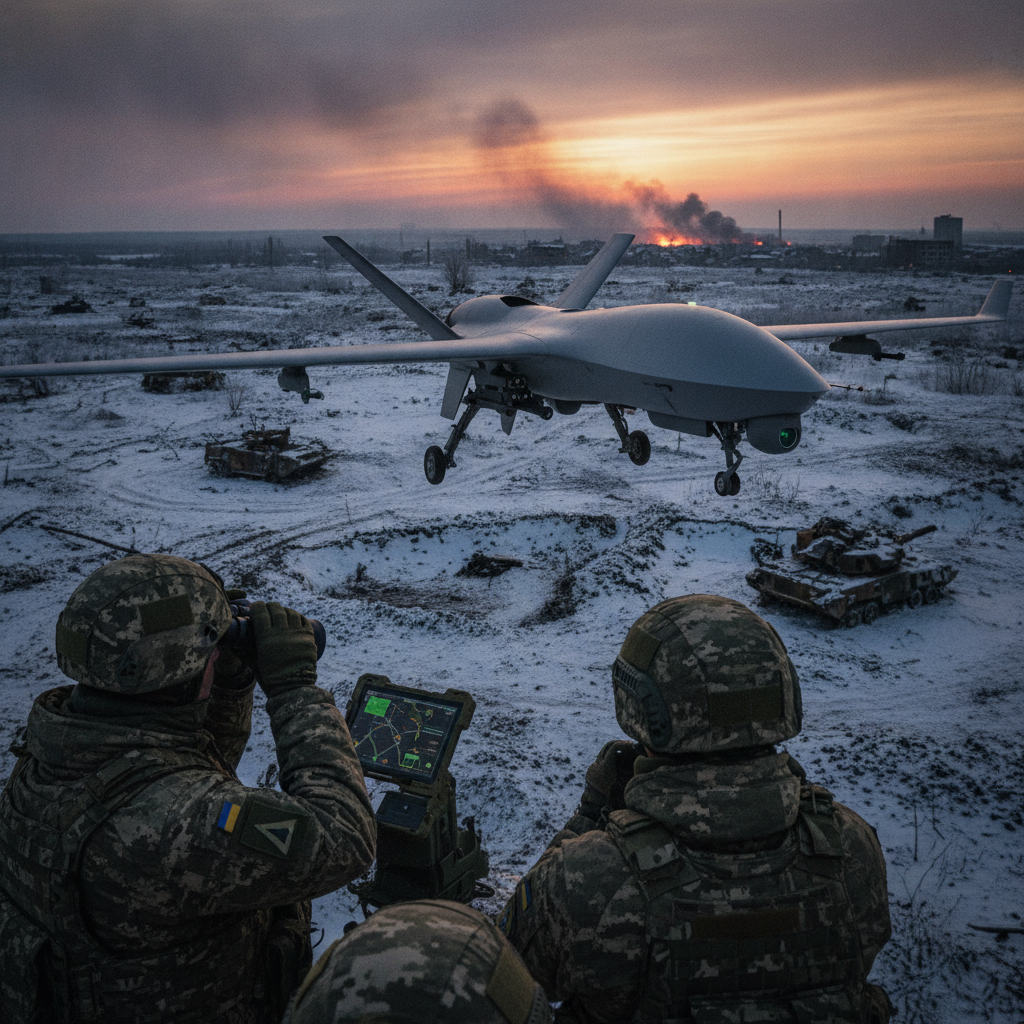
كشفت شركة "فوريتيرا" (Forterra) الأمريكية، المتخصصة في تطوير المركبات ذاتية القيادة، اليوم عن نشر أكثر من 100 مركبة رباعية الدفع ذاتية القيادة (ATV) تابعة لها في مناطق النزاع بأوكرانيا على مدار الأشهر التسعة الماضية. يُعد هذا الانتشار، وفقًا للشركة، الأكبر للمركبات الأرضية ذاتية القيادة في القتال من قبل أي شركة تكنولوجيا دفاع أمريكية. تأتي هذه المهمة، الممولة من وزارة الدفاع الأمريكية، ضمن جهود متنامية لتحويل القدرات العسكرية الأمريكية من خلال دعم المقاومة الأوكرانية ضد الغزاة الروس. أكد سكوت ساندرز، كبير مسؤولي النمو في "فوريتيرا" وضابط سابق في مشاة البحرية الأمريكية، على أهمية الاختبارات الواقعية، قائلاً لـ "تك كرانش": "أعتقد أن هذا ينطبق على كل تكنولوجيا دفاع تم إنشاؤها على الإطلاق – حتى تصطدم بواقع القتال، لن تعرف أبدًا مدى فعاليتها حقًا."
بينما استحوذت الطائرات بدون طيار الجوية على قدر كبير من الاهتمام في الصراع، فإن الديناميكيات التي أوجدتها – مثل مناطق الحظر الواسعة حيث يمكن أن تؤدي المراقبة إلى الموت من الأعلى – دفعت الاستراتيجيين الأوكرانيين للبحث عن حلول ذاتية القيادة أرضية أيضًا. أوضح الرقيب أول كوري ويلكينز، الذي يقود برنامجًا لتطوير المركبات ذاتية القيادة والتكتيكات للجيش الأمريكي، أنه "لا يوجد مكان للاختباء... تصبح عرضة جدًا للهجوم من قبل طائرات بدون طيار ذات رؤية من منظور الشخص الأول، وأنواع أخرى من الطائرات بدون طيار التي تسقط الذخائر، والمدفعية، وقذائف الهاون، ومجموعة كاملة من الأشياء التي يمتلكونها." وعلى الرغم من أن أوكرانيا تبني بالفعل مركباتها الأرضية غير المأهولة (UGVs) للمساعدة في نقل الإمدادات والذخائر أو إجلاء الجنود الجرحى، إلا أن هذه المركبات عادة ما تعمل بالبطاريات ويمكنها حمل ما يصل إلى 250 كيلوجرامًا فقط. في المقابل، تتميز مركبات "لانسر" (Lancer) من "فوريتيرا"، المبنية على مركبات بولاريس الرباعية ومجهزة بمجموعة مخصصة من أجهزة الاستشعار والحوسبة، بأنها تعمل بالوقود ويمكنها حمل 750 كيلوجرامًا من البضائع، مما يجعلها أكثر مرونة وفائدة بكثير في ساحة المعركة. وصف جندي أوكراني عمل مع هذه المركبات أهميتها قائلاً: "الخلاصة هي أن هذه المركبة الأرضية غير المأهولة للخدمات اللوجستية والحفاظ على دفاعاتنا هي أهم مركبة أرضية غير مأهولة في أوكرانيا. إنها رائعة حقًا، ونحن نتوق للحصول على المزيد."
لم يكن هذا الشعور بالإيجابية موجودًا في البداية. فقد كانت القوات المسلحة الأوكرانية قد مرت بتجارب متباينة مع المقاولين الغربيين الذين جلبوا تقنيات جديدة إلى المعركة، وفي البداية، بدت عروض "فوريتيرا" مصممة بشكل مفرط لتلبية المتطلبات عالية المستوى للجيش الأمريكي. لكن تعديل المركبة لتناسب الوضع على الأرض، لا سيما من خلال إضافة هوائي إنترنت فضائي من "ستارلينك" (Starlink)، جعلها إضافة قيمة للغاية. منذ وصولها إلى أوكرانيا في أكتوبر الماضي، قطعت المركبات أكثر من 2500 ميل عبر أكثر من 1100 مهمة، حاملة 777,440 رطلاً من إجمالي الوزن وأكملت 52 عملية إجلاء للمصابين. ومع ذلك، فقد فُقد بعضها في القتال، خاصة إذا علقت في الوحل العميق أو غيره من التضاريس الصعبة حيث يمكن للقوات الروسية استهدافها بسهولة.
اكتسبت "فوريتيرا" دروسًا قيمة من هذا الانتشار الميداني، تتعلق بالحرب الإلكترونية، وتحديث برامجها عن بُعد، وكيفية المناورة في الظروف الصعبة، وضمان عدم تعطل مركباتها. الشركة، التي جمعت أكثر من 500 مليون دولار من التمويل الاستثماري من صناديق مثل XYZ Venture Capital و Moore Strategic Partners، أصبحت الآن في وضع أفضل للمنافسة على عقود الأمن القومي المربحة. لكنها شهدت أيضًا حدود الاستقلالية الذاتية: في الوقت الحالي، يقوم الجنود الأوكرانيون بشكل أساسي بتشغيل المركبات عن بُعد في مناطق القتال، ويرجع ذلك جزئيًا إلى قيمتها العالية التي لا يمكن خسارتها، وجزئيًا لأن المركبات ذاتية القيادة ليست جاهزة تمامًا لواقع الحرب المعقد. أوضح الجندي الأوكراني: "نحتاج حقًا إلى أن نكون قادرين على الاستجابة للتهديدات العدو، مباشرة، بينما تكون المركبة أمام العدو، وهو ما لا تعرفه الاستقلالية الذاتية بعد."
تعمل "فوريتيرا"، التي بدأت عملها في مجال المركبات ذاتية القيادة قبل 20 عامًا، على كيفية الجمع بين أنواع الخوارزميات التي أدت إلى ظهور السيارات ذاتية القيادة مع برمجيات الذكاء الاصطناعي التوليدي الأحدث التي تسمح للآلات بالتفاعل مع محيطها بطريقة عامة. وكما هو الحال مع الأنظمة الذاتية الأخرى، فإن أحد العوائق الرئيسية هو جمع البيانات الصحيحة. أشار ساندرز إلى أن "هناك الكثير من الأشياء التي يتعين عليك القيام بها والتي ليست متاحة في نموذج مفتوح المصدر لأنها ليست أشياء يقوم بها البشر، سواء كان ذلك معرفة كيفية التنقل في حقل ألغام أو تشغيل نظام أسلحة." وأضاف: "تحتاج إلى أن تكون قادرًا على ضبط الإعدادات وبعض الأشياء التي تتطلب نهجًا روبوتيًا كلاسيكيًا أكثر، ثم الاستفادة من الذكاء الاصطناعي حيثما تحتاج إليه." يتصدى المنافسون في هذا المجال لتحديات مماثلة، مثل Scout AI و Field AI و Overland AI، الذين يجرون تجارب على مركبات أرضية غير مأهولة مع الجيش الأمريكي. على الرغم من القيود الحالية على المركبات الأرضية غير المأهولة، فإن خبراء عسكريين أمريكيين مقتنعون بأن الوقت قد حان للاستثمار في هذه الأدوات. أكد ويلكينز أن "الاستقلالية الأرضية قابلة للتحقيق الآن وقد رأيناها." وقد زار سكوت فيليبس، كبير مسؤولي الابتكار في "فوريتيرا"، مركز عمليات وحدة أوكرانية لرؤية المركبات في العمل مباشرة، مما أكسبه احترام الوحدة لزيارته منطقة تقع ضمن مدى الهجمات الروسية، مؤكداً على أهمية "الحقيقة الميدانية" التي لا يمكن الحصول عليها إلا من خلال التواجد على الأرض.