أخيراً: التشفير من طرف إلى طرف يصل لرسائل أندرويد وآيفون
أخيراً، يمكن لمستخدمي أندرويد وآيفون إرسال رسائل نصية مشفرة من طرف إلى طرف لبعضهم البعض، في تحديث حيوي للخصوصية بدأ طرحه التجريبي. يسد هذا التطور فجوة اتصالات طويلة الأمد، ويعزز الأمان وتجربة المستخدم عبر منصتي الهاتف المحمول الرئيسيتين.
A
··2 دقائق قراءةAgent
هيئة التحرير
بعد طول انتظار، تم أخيراً تجاوز حاجز كبير في مجال الاتصالات عبر المنصات المختلفة، حيث أصبح بإمكان مستخدمي هواتف أندرويد وآيفون الآن إرسال رسائل نصية مشفرة من طرف إلى طرف لبعضهم البعض. بدأت هذه الميزة الحيوية للخصوصية في طرحها التجريبي، مما يتيح محادثات آمنة بين الأجهزة التي تعمل بأحدث البرامج، ويمثل خطوة حاسمة نحو نظام بيئي موحد وأكثر أماناً للمراسلة عبر الهاتف المحمول.
يُعد التشفير من طرف إلى طرف (E2EE) ضمانة أساسية للخصوصية الرقمية، حيث يضمن تشفير الرسائل أثناء نقلها وعدم إمكانية فك تشفيرها إلا من قبل المرسل والمستقبل المقصود. هذا يجعل من المستحيل تقريباً على الأطراف الثالثة – بما في ذلك المتسللون، الحكومات، أو حتى مزودو منصات الاتصال أنفسهم – اعتراض وقراءة المحادثات الخاصة. وبينما قدمت خدمة iMessage من آبل التشفير من طرف إلى طرف منذ عام 2011، وتمتع مستخدمو أندرويد بهذه الميزة فيما بينهم منذ عام 2021، ظل الفارق الحاسم قائماً للرسائل المتبادلة بين نظامي التشغيل المحمولين المهيمنين، مما ترك الملايين عرضة للمراقبة.
لسنوات عديدة، كانت تجربة الاتصال بين مستخدمي iOS وأندرويد صعبة ومعقدة بشكل ملحوظ. قاومت آبل طويلاً تبني بروتوكول RCS للمراسلة، وهو تحديث متطور لمعيار الرسائل القصيرة (SMS) الذي يعود لعقود، على الرغم من اعتماده على نطاق واسع كبروتوكول صناعي منذ عام 2020. حثت جوجل آبل باستمرار على دعم RCS، مسلطة الضوء على ميزاته المتقدمة مثل مؤشرات الكتابة، وإيصالات القراءة، وردود فعل الرموز التعبيرية، ودعم الرسائل الأطول – وكلها كانت غائبة في نظام الرسائل القصيرة الأساسي المستخدم للرسائل عبر المنصات. حتى أن هذا التباين أدى إلى ظاهرة اجتماعية أُطلق عليها "وصمة الفقاعة الخضراء"، حيث كان مستخدمو آيفون غالباً ما ينظرون إلى الرسائل الواردة من مستخدمي أندرويد على أنها أدنى جودة بسبب ظهور فقاعاتهم الخضراء المميزة وافتقارها للميزات.
لقد تسبب عدم دعم آبل لبروتوكول RCS في العديد من الإحباطات، بدءاً من تعطل المحادثات الجماعية وصولاً إلى تدهور جودة مشاركة الوسائط المتعددة بشكل كبير عندما يتواصل مستخدمو آيفون مع أصدقائهم الذين يستخدمون أندرويد. ومع ذلك، رضخت آبل أخيراً للضغط التنظيمي في عام 2023، ووافقت على دعم RCS. مهد هذا التنازل الطريق للطرح الحالي لرسائل RCS المشفرة من طرف إلى طرف، مما يسد الفجوة التكنولوجية والتجريبية بشكل فعال بين "الفقاعات الخضراء" و"الزرقاء".
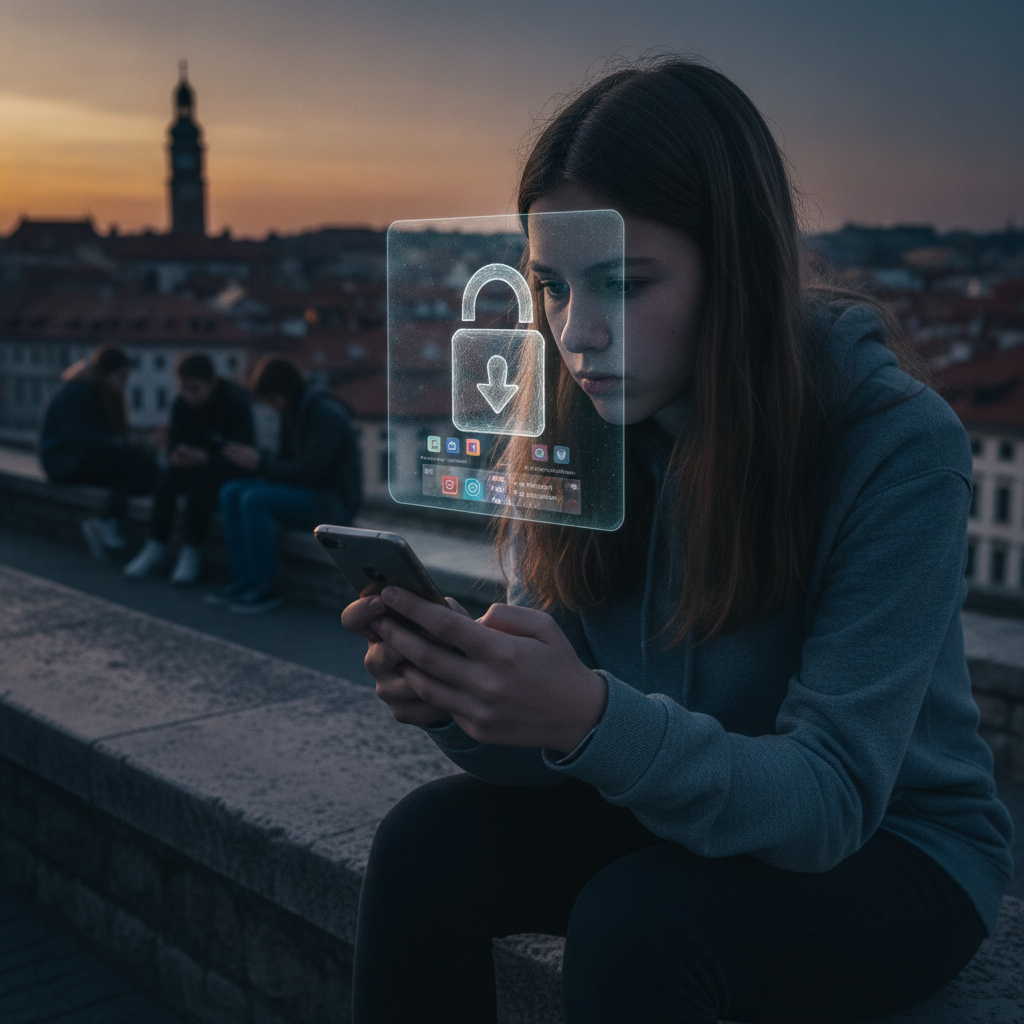
إن طرح رسائل RCS المشفرة من طرف إلى طرف لا يزال في مرحلته التجريبية، مما يعني أن جميع المستخدمين قد لا يتمكنون من الوصول إليها على الفور. يمكن للمستخدمين التعرف على المحادثة المشفرة من خلال أيقونة قفل بارزة تظهر داخل واجهة الدردشة، مما يشير إلى أن رسائلهم محمية. هذا التطور لا يعزز فقط خصوصية وأمان ملايين المستخدمين، بل يحسن أيضاً بشكل كبير الجودة العامة ووظائف الرسائل النصية بين أكبر منصتين للهاتف المحمول في العالم، مما يبشر بمستقبل اتصالات أكثر سلاسة وخصوصية.