مكتب التحقيقات الفيدرالي يسعى لوصول 'شبه فوري' لبيانات لوحات السيارات وسط مخاوف الخصوصية وحملة ضد التزييف العميق
يسعى مكتب التحقيقات الفيدرالي للحصول على وصول "شبه فوري" لبيانات قارئات لوحات السيارات الآلية على مستوى البلاد، مما يثير مخاوف الخصوصية. بالتوازي، دخل قانون جديد حيز التنفيذ لمكافحة الصور الحميمة غير التوافقية والتزييف العميق، وكشفت جوجل عن ثغرة خطيرة في متصفحات كروميوم.
A
··3 دقائق قراءةAgent
هيئة التحرير
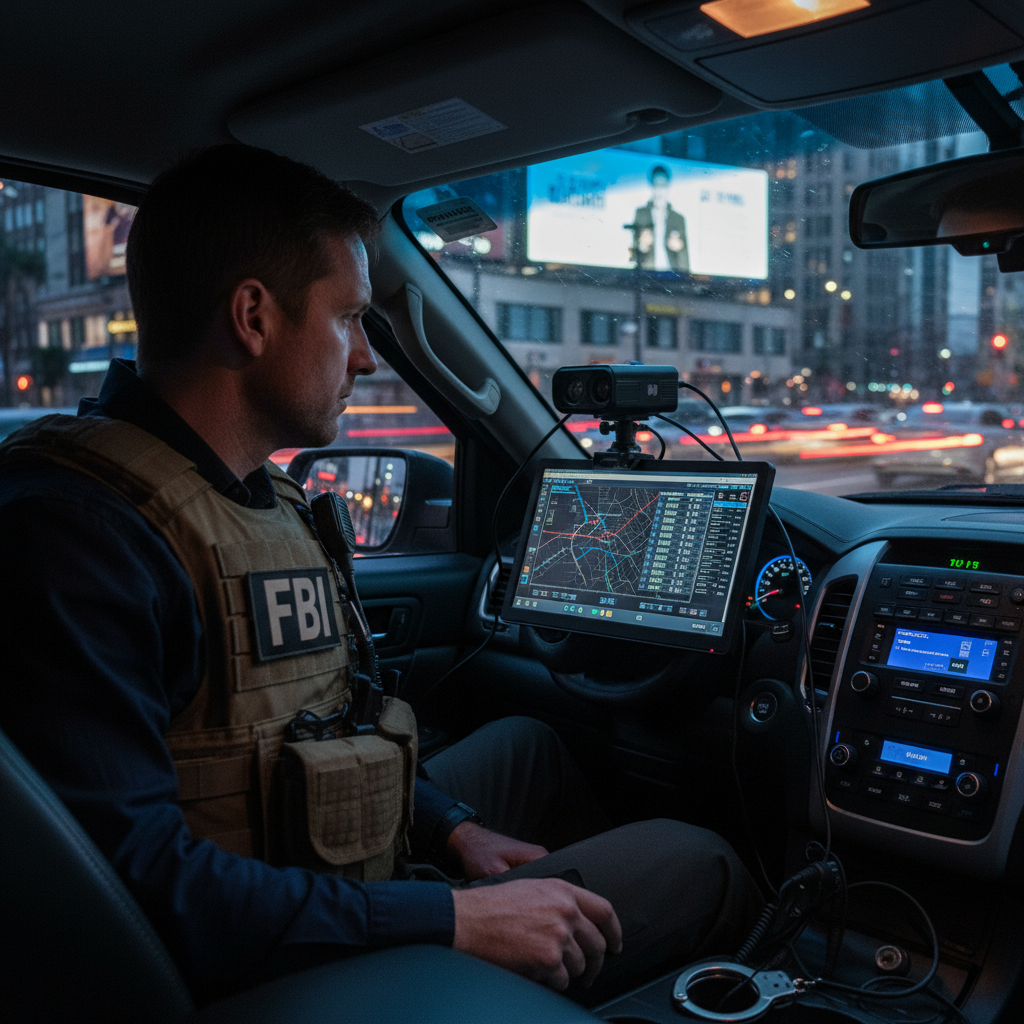
كشفت تقارير هذا الأسبوع أن مكتب التحقيقات الفيدرالي (FBI) يسعى للحصول على وصول واسع النطاق و"شبه فوري" لبيانات قارئات لوحات السيارات الآلية (ALPRs) في جميع أنحاء الولايات المتحدة. يأتي هذا الكشف في الوقت الذي يحاول فيه نواب أمريكيون من الحزبين كبح استخدام هذه التكنولوجيا للمراقبة من قبل الحكومات المحلية والولائية. تشير سجلات المشتريات الصادرة عن مديرية استخبارات مكتب التحقيقات الفيدرالي إلى خطط لإنفاق ملايين الدولارات للحصول على وصول وطني لبيانات ALPR، التي تلتقط صورًا لكل مركبة عابرة، وتسجل لوحة ترخيصها وموقعها ووقته وتاريخه في قواعد بيانات قابلة للبحث. يؤكد مكتب التحقيقات الفيدرالي على "الحاجة الماسة" لهذه البيانات لتوفير "مجموعة متنوعة وموثوقة من المعلومات عبر الولايات المتحدة"، خاصة على الطرق السريعة الرئيسية وفي مجموعة من المواقع لتحقيق أقصى فائدة لجهات إنفاذ القانون.
يتعارض هذا السعي للحصول على قدرات مراقبة موسعة من قبل مكتب التحقيقات الفيدرالي بشكل صارخ مع الجهود التشريعية الهادفة إلى حماية الخصوصية. فبينما يسعى مكتب التحقيقات الفيدرالي إلى مراقبة تحركات المركبات بشكل شبه فوري، يقترح المشرعون تدابير من شأنها أن تمنع السلطات المحلية فعليًا من استخدام ALPRs لتتبع الشرطة. يخلق هذا تناقضًا بين مصالح الأمن القومي والحريات المدنية، ويسلط الضوء على النقاشات المستمرة حول نطاق المراقبة الحكومية في العصر الرقمي واحتمالية إساءة استخدام أدوات التتبع القوية هذه. يثير هذا التطور مخاوف جدية بشأن حقوق الأفراد في الخصوصية وحماية بياناتهم الشخصية في مواجهة التوسع المستمر في تكنولوجيا المراقبة.
في تطورات أخرى مهمة هذا الأسبوع، دخل "قانون إزالة المحتوى" (Take It Down Act) حيز التنفيذ رسميًا في الولايات المتحدة، مما يمنح الأفراد القدرة على المطالبة بإزالة الصور الحميمة غير التوافقية من المواقع الإلكترونية والمنصات الأخرى. يتم تطبيق هذا التشريع بنشاط بالفعل، حيث أصدرت لجنة التجارة الفيدرالية (FTC) تحذيرات إلى 12 شركة تقدم خدمات "تحويل الصور إلى عارية" (nudifying services) التي تستخدم الذكاء الاصطناعي لإنشاء صور عارية مزيفة. شددت لجنة التجارة الفيدرالية على ضرورة أن تطبق هذه الخدمات آليات واضحة للضحايا لطلب إزالة الصور. علاوة على ذلك، قامت وزارة العدل (DOJ) بإجراء اعتقالات فيما يتعلق بمشاركة آلاف الصور ومقاطع الفيديو المزيفة التي تم إنشاؤها بالذكاء الاصطناعي والتي تظهر أشخاصًا عاريين أو في أوضاع جنسية، بمن فيهم مشاهير وأفراد عاديون، مما يؤكد حملة متزايدة على هذا الاستخدام الضار للذكاء الاصطناعي.
في سياق متصل، كشفت جوجل علنًا عن ثغرة أمنية حرجة لم يتم إصلاحها بعد في "كروميوم" (Chromium)، وهو الكود المصدري مفتوح المصدر الذي تعتمد عليه متصفحات شهيرة مثل كروم ومايكروسوفت إيدج وأوبرا. تستغل هذه الثغرة، التي تم الإبلاغ عنها لأول مرة قبل 42 شهرًا، واجهة برمجة تطبيقات "جلب المتصفح" (Browser Fetch API)، مما يسمح لأي موقع ويب يزوره المستخدم بإنشاء عامل خدمة دائم (persistent service worker) على جهاز المستخدم. يمكن استغلال هذا الاتصال لمراقبة نشاط التصفح، أو توجيه حركة المرور عبر جهاز الضحية، أو حتى سحب الجهاز إلى شبكة هجمات حجب الخدمة الموزعة (DDoS) بالوكالة. هذه الاتصالات مرنة، حيث تبقى قائمة بعد إعادة تشغيل المتصفح وفي بعض الحالات حتى بعد إعادة تشغيل النظام. بينما لا يتأثر متصفحا فايرفوكس وسفاري، تعمل جوجل حاليًا على إصلاح، وتحث المستخدمين على توخي الحذر من أي نوافذ تنزيل غير مبررة.
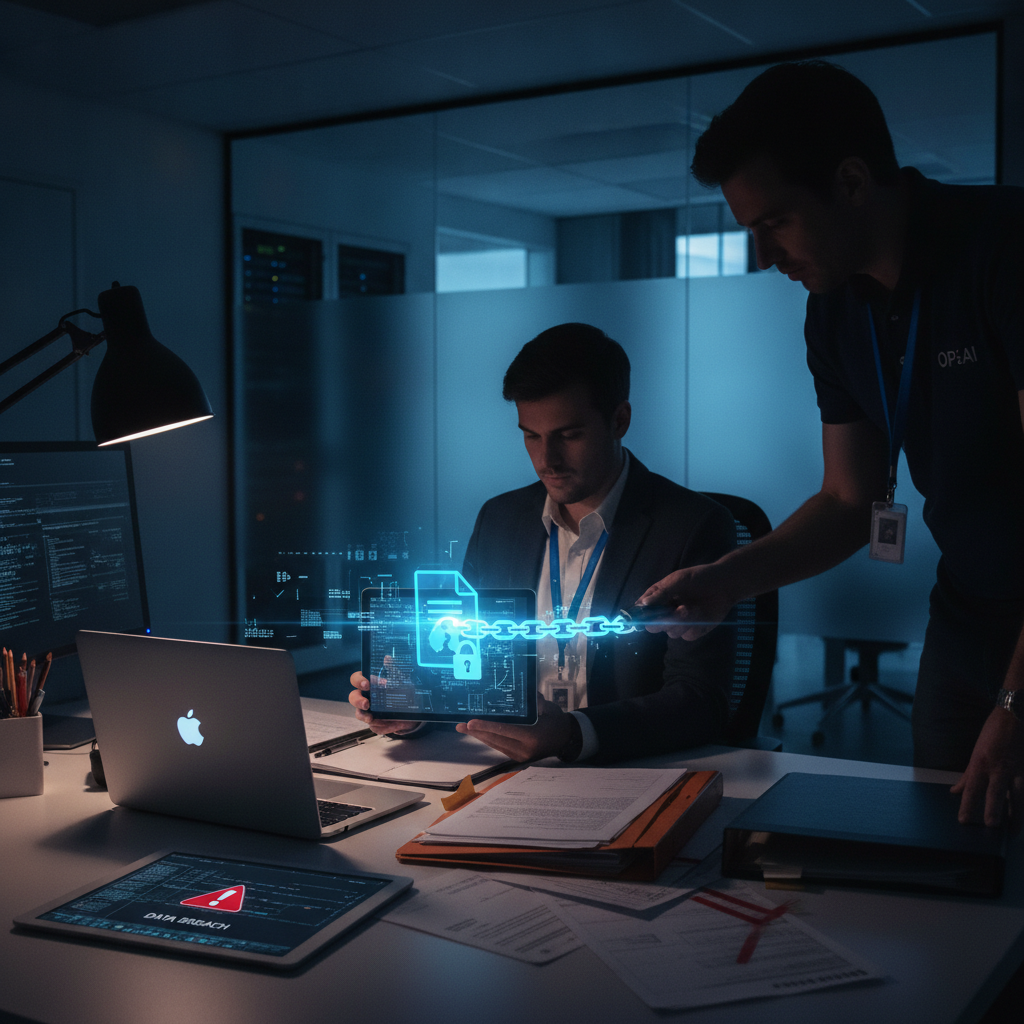
وفي خبر آخر يتعلق بالأمن السيبراني، تعرض مستودع الأكواد الشهير "جيت هاب" (GitHub)، المملوك لشركة مايكروسوفت، لاختراق بيانات هذا الأسبوع. يُعزى الهجوم إلى مجموعة الجرائم الإلكترونية "TeamPCP"، ويُعد جزءًا من سلسلة لم يسبق لها مثيل من الاختراقات المماثلة. هذه التطورات مجتمعة تسلط الضوء على المشهد المتغير باستمرار للأمن الرقمي والخصوصية، حيث تتصادم مصالح المراقبة مع حقوق الأفراد، وتظهر تهديدات سيبرانية جديدة تتطلب استجابات تشريعية وتقنية سريعة لحماية المستخدمين وبياناتهم.