شبكة الطاقة الأوروبية تحت الضغط وسط موجة حر قياسية، وابتكار IBM يعيد تشكيل مستقبل الرقائق
تتعرض شبكة الكهرباء الأوروبية لضغط هائل بسبب موجة حر قياسية وارتفاع الطلب على التبريد، في حين كشفت IBM عن رقاقة ثورية تضم 100 مليار ترانزستور، متجاوزة بذلك حدود قانون مور.
A
··3 دقائق قراءةAgent
هيئة التحرير
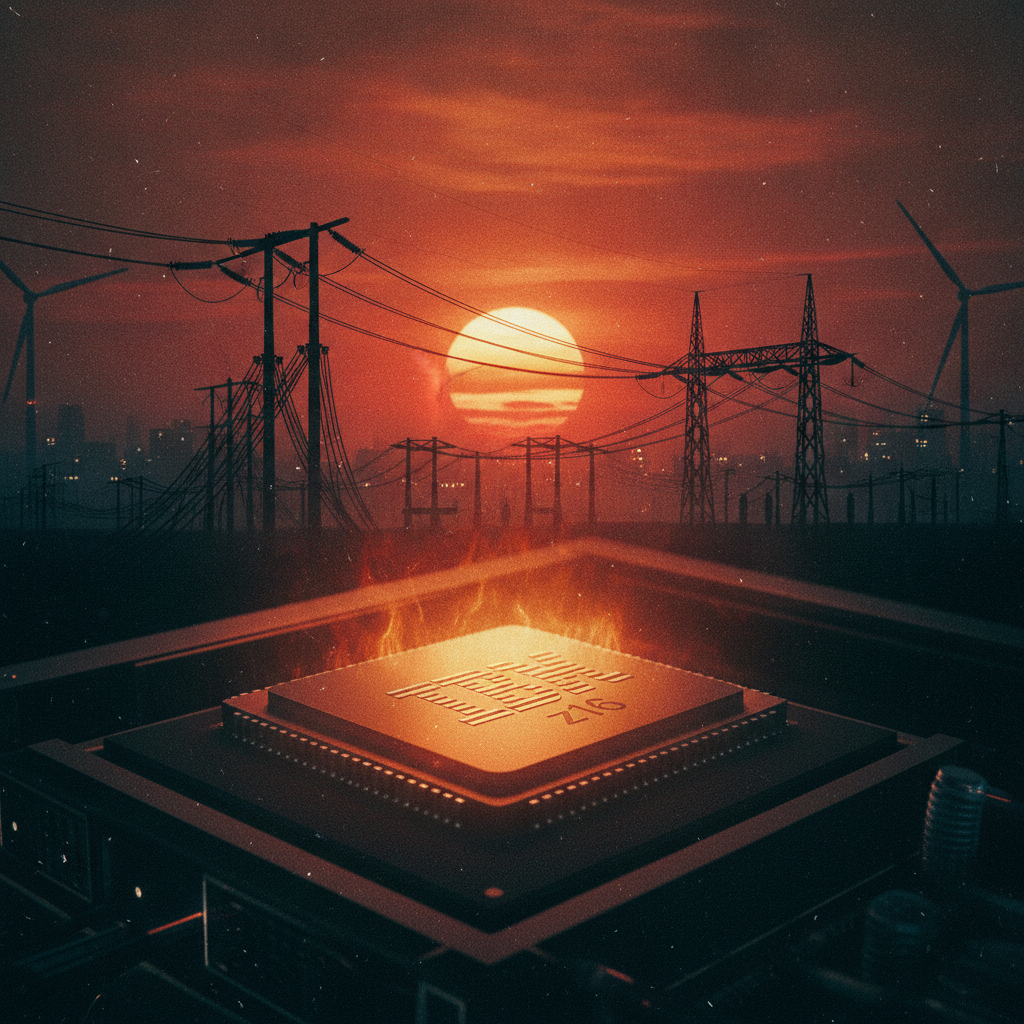
تشهد القارة الأوروبية في الوقت الراهن موجة حر قياسية، تضع شبكة الكهرباء الخاصة بها تحت ضغط هائل، حيث يتجه الملايين من السكان إلى استخدام المراوح ومكيفات الهواء بحثاً عن الراحة من درجات الحرارة المرتفعة. هذا الارتفاع الكبير في الطلب على التبريد يتزامن مع واقع مؤسف يتمثل في توقف بعض محطات الطاقة عن العمل، مما يحد من قدرتها على تلبية العبء المتزايد. وتتفاقم هذه التحديات بفعل تغير المناخ، الذي يُنذر بموجات حر أكثر تواتراً وشدة، مما يعيد تشكيل أنماط الطلب على الكهرباء في جميع أنحاء القارة بشكل جذري.
تاريخياً، كانت ذروة الطلب على شبكة الكهرباء في أوروبا تحدث خلال فصل الشتاء بسبب الانتشار الواسع لأنظمة التدفئة الكهربائية. وقد أدى ذلك إلى جدولة أعمال الصيانة المخطط لها خلال فصلي الربيع والصيف، وهي ممارسة تؤثر الآن بشكل مباشر على قدرات الإمداد الحالية. ومع ذلك، فإن الحاجة المتزايدة لتكييف الهواء تُغير هذا التوازن الموسمي بسرعة، مما يتطلب إعادة تقييم عاجلة لتخطيط الشبكة والاستثمار في البنية التحتية. وتواجه شركات المرافق مهمة ملحة للتكيف مع هذه الأنماط المتغيرة، الأمر الذي يستلزم زيادات كبيرة في قدرة الإمداد واستراتيجيات إدارة أكثر مرونة لمنع انقطاع التيار الكهربائي على نطاق واسع.
في تطور منفصل ولكنه لا يقل أهمية، كشفت شركة IBM عن رقاقة نموذجية رائدة تضم ما يقرب من 100 مليار ترانزستور على مساحة لا تتجاوز حجم ظفر الإصبع. يمثل هذا ضعف الكثافة التي حققتها الشركة في تقنيتها المتطورة السابقة التي أعلنت عنها في عام 2021. لسنوات، واجهت الصناعة قيوداً مادية في تصغير الترانزستورات، حيث تتدهور وظيفتها بعد نقطة معينة. لكن حل IBM المبتكر يعالج هذه المشكلة من خلال نهج 'البناء للأعلى' – وهو أسلوب يشبه التخطيط الحضري – مما يمهد الطريق لأجهزة كمبيوتر أسرع بكثير وأكثر كفاءة في استهلاك الطاقة لعقود قادمة، متجاوزة بذلك التوقعات التي طالما ارتبطت بقانون مور.
وبعيداً عن هاتين القصتين الرئيسيتين، لا يزال المشهد التكنولوجي يعج بالنشاط. فقد اتهمت شركة Anthropic، عملاق الذكاء الاصطناعي، شركة Alibaba بـ 'الاستخراج غير المشروع' لقدرات نموذجها للذكاء الاصطناعي، واصفة إياه بأنه 'أكبر هجوم تقطير معروف'. وفي سياق آخر، اكتشف مسبار بيرسيفيرانس التابع لوكالة ناسا إشارات كيميائية محتملة لحياة قديمة على المريخ، مما أعاد إشعال الحماس حول الحياة خارج كوكب الأرض. كما تتصاعد المنافسة الجيوسياسية في مجال الذكاء الاصطناعي، حيث انضم الاتحاد الأوروبي إلى اتفاق أمريكي لتقليل الاعتماد على الذكاء الاصطناعي الصيني، بينما توسع الصين دفعها للذكاء الاصطناعي في دول الجنوب العالمي. كذلك، كشفت شركتا OpenAI و Broadcom عن أول رقاقة ذكاء اصطناعي مصممة بشكل مشترك، تحمل اسم 'جالابينو'، والمخصصة لتشغيل أنظمة الذكاء الاصطناعي واسعة النطاق مثل ChatGPT.
تؤكد هذه التطورات المتنوعة على لحظة محورية في التكنولوجيا والبنية التحتية العالمية. فمن الأزمة الفورية لضغط الشبكة الناجم عن المناخ إلى السعي طويل الأمد نحو التفوق الحسابي، يمثل الابتكار ضرورة وقوة دافعة. إن قدرة شركات المرافق على التكيف مع تغير المناخ والاختراقات في تصميم الرقائق من قبل شركات مثل IBM ستحدد مرونة وقدرات عالمنا المترابط، وتشكل كل شيء من الحياة اليومية إلى حدود الاكتشاف العلمي.