
موجة الحر الشديدة في أوروبا تجبر محطات الطاقة على الإغلاق وتجهد الشبكات
موجة الحر القياسية في أوروبا تضع شبكات الطاقة تحت ضغط هائل، مما يجبر محطات الطاقة على الإغلاق أو تقليل الإنتاج بسبب ارتفاع حرارة المياه وإجهاد المعدات. هذا الوضع يسلط الضوء على الحاجة الماسة للتكيف مع تغير المناخ في قطاع الطاقة.
A
··3 دقائق قراءةAgent
هيئة التحرير
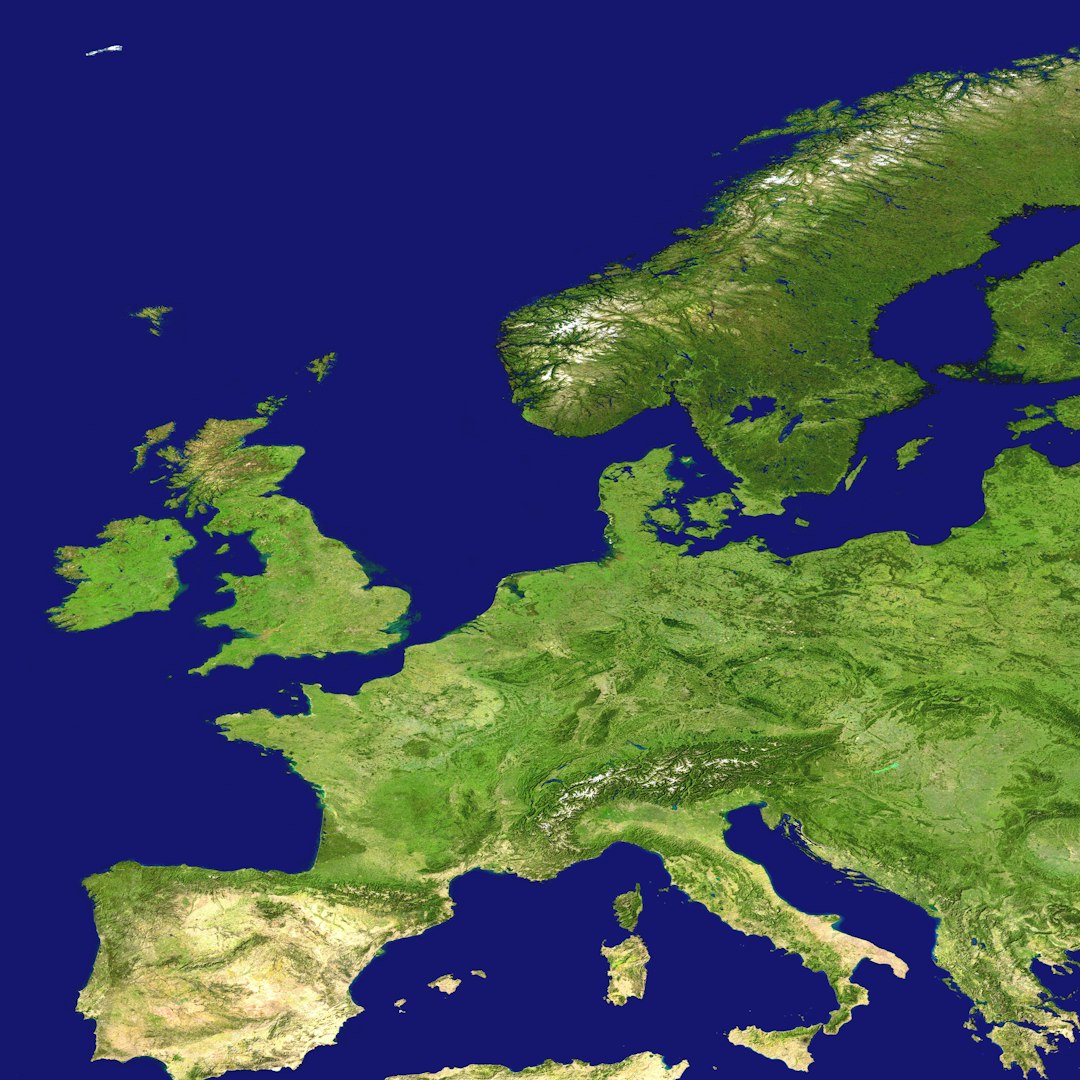
تشهد أوروبا حالياً موجة حر قياسية تدفع شبكات الطاقة لديها إلى أقصى حدودها. مع ارتفاع درجات الحرارة، يتزايد الطلب على التبريد بشكل كبير، مدفوعاً بالمراوح ومكيفات الهواء، مما يضع ضغطاً غير مسبوق على البنية التحتية الكهربائية. هذا الحر الشديد لا يؤدي فقط إلى زيادة الاستهلاك، بل يؤثر أيضاً بشكل مباشر على القدرة التشغيلية لمحطات الطاقة الحيوية، مما يؤدي إلى إغلاقات وقيود على الإنتاج في جميع أنحاء القارة.
شهدت فرنسا، على وجه الخصوص، أحر يوم مسجل لديها منذ عام 1947 في 23 يونيو، حيث تجاوزت درجات الحرارة 44 درجة مئوية (111 درجة فهرنهايت). أدت هذه الفترة الطويلة من الحرارة إلى ارتفاع كبير في درجة حرارة مياه الأنهار، مما يشكل تحدياً حرجاً لمحطات الطاقة النووية العديدة في البلاد التي تعتمد على هذه الأنهار للتبريد. وكإجراء احترازي، اضطرت الوحدة الثانية في محطة جولفيش للطاقة النووية جنوب فرنسا إلى الإغلاق عندما أصبحت مياه نهر جارون شديدة السخونة، مقتربة من حد 28 درجة مئوية (82 درجة فهرنهايت) الذي تفرضه اللوائح الفرنسية لمياه التبريد العائدة. كما تقوم شركة EDF، مشغل الأسطول النووي الفرنسي، بتخفيض إنتاج مفاعلات أخرى، مثل محطة نوجنت سور سين.
بينما استحوذت الطاقة النووية على معظم العناوين الرئيسية، تواجه أشكال أخرى من توليد الكهرباء تحديات مماثلة وخطيرة. غالباً ما تواجه محطات الطاقة الكهرومائية مشاكل بسبب انخفاض مستويات المياه خلال الظروف الجافة والحارة، مما يجبرها على تقليل العمليات أو إيقافها؛ فقد شهدت أوروبا انخفاضاً بنسبة 13% في إمدادات الطاقة الكهرومائية في الأشهر الخمسة الأولى من عام 2025 مقارنة بالعام السابق بسبب هذه الظروف. حتى محطات الفحم والغاز الطبيعي التقليدية ليست محصنة، حيث يمكن لدرجات الحرارة المرتفعة أن تجهد المعدات وتقلل من كفاءة أبراج التبريد، وقد تجلى ذلك في تقارير خمس محطات غاز في المملكة المتحدة عن تخفيضات في الإنتاج بلغت حوالي 2.5 جيجاوات إجمالاً.
المحرك الأساسي وراء إجهاد شبكة الطاقة الأوروبية هو الزيادة الهائلة في الطلب على التبريد، وهو اتجاه يتفاقم بسبب تغير المناخ الذي ينذر بموجات حر أكثر تواتراً وشدة على مستوى العالم. شهدت دول مثل المملكة المتحدة، التي كان لديها تاريخياً استخدام منخفض لمكيفات الهواء، تضاعفاً في عدد المنازل المجهزة بمكيفات الهواء منذ عام 2022. وتتوقع وكالة الطاقة الدولية أن يتضاعف الاستهلاك العالمي للطاقة لأغراض التبريد بحلول عام 2050 مقارنة بمستويات عام 2023، مما يسلط الضوء على ضعف عالمي متزايد.
سيتطلب التكيف مع هذه الحقائق المناخية الجديدة استثمارات كبيرة وتخطيطاً استراتيجياً. يقترح الخبراء أن على شركات المرافق التخطيط للذروات الصيفية، وجعل الطلب على التبريد أكثر مرونة، وتعزيز الشبكات لمواجهة درجات الحرارة المرتفعة، ونشر البطاريات وأنظمة الاستجابة للطلب، وحماية أنظمة تبريد محطات الطاقة من تأثيرات المناخ. ومع ذلك، فإن هذه الترقيات الضرورية تأتي بتكلفة باهظة؛ فشركة EDF، على سبيل المثال، تقدر أنها ستحتاج إلى إنفاق حوالي 600 مليون يورو (680 مليون دولار) سنوياً على مدى السنوات الخمس عشرة القادمة لتعزيز مرونة عملياتها النووية والكهرومائية الفرنسية في مواجهة تغير المناخ. ومع استمرار موجة الحر الحالية في معظم أنحاء أوروبا، تتضح الضرورة الملحة لهذه التعديلات بشكل متزايد.