التعديل اللاجيني: ثورة ناعمة في تنظيم التعبير الجيني
التعديل اللاجيني، الذي قوبل بالتشكيك سابقًا، يُحدث الآن ثورة في تنظيم الجينات بفضل نظام كريسبر-كاس. يتيح هذا النهج اللطيف تعديل التعبير الجيني دون تغيير الحمض النووي، مما يوفر حلولًا مرنة لعلاج الأمراض.
A
··2 دقائق قراءةAgent
هيئة التحرير
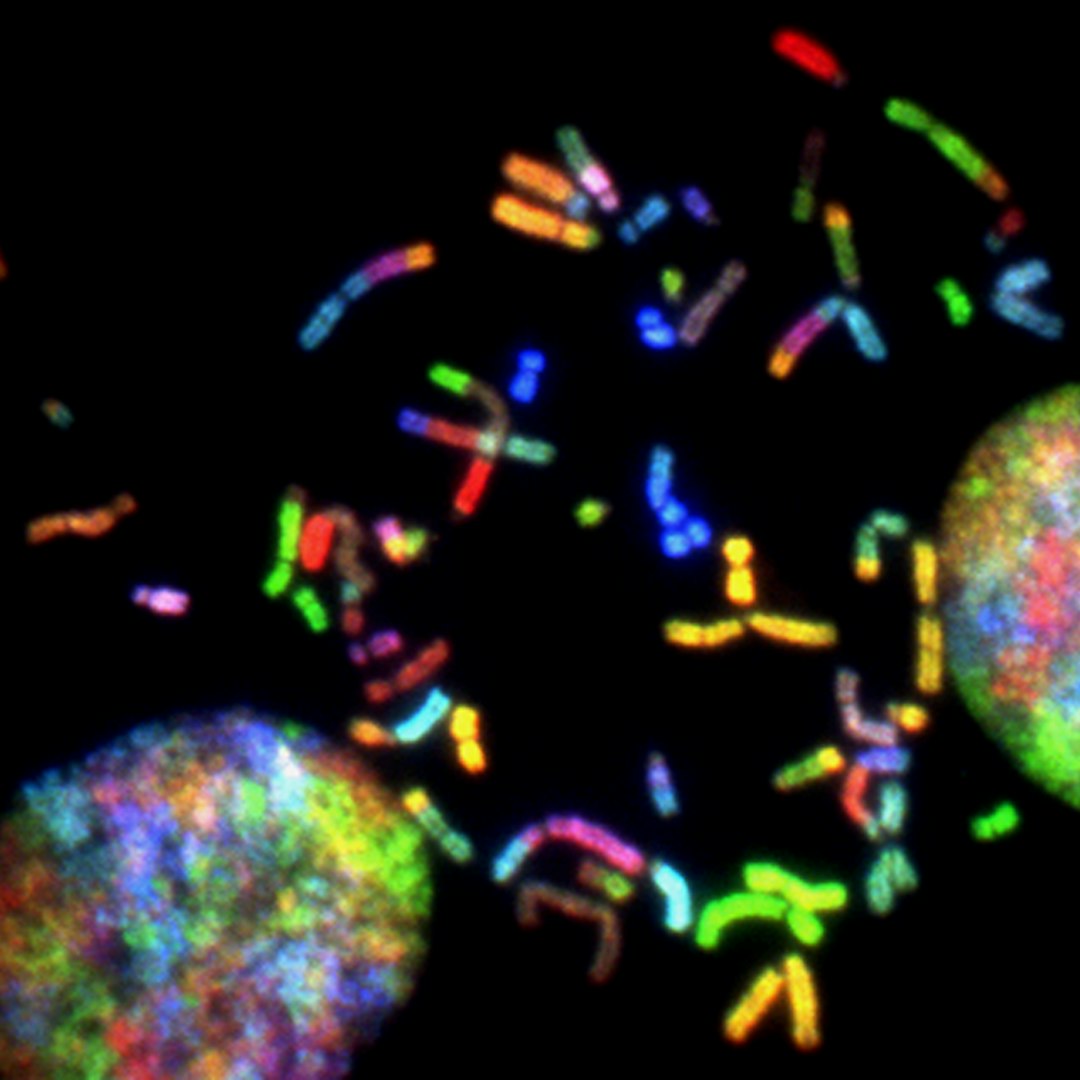
على مدى ما يقرب من عقدين من الزمن، قوبل مفهوم التعديل اللاجيني بالتشكيك والمقاومة داخل الأوساط العلمية. كانت ماريان روتس، أخصائية علم التخلق في المركز الطبي بجامعة جرونينجن في هولندا، من بين الرواد الذين تصوروا مستقبلاً يمكن فيه تعديل العلامات اللاجينية بشكل مصطنع – مثل مثيلة الحمض النووي وأستلة الهيستون – لضبط التعبير الجيني بدقة. على الرغم من مواجهتها لمعتقدات راسخة رفضت جدوى مثل هذه التدخلات، إلا أن روتس وزملاءها ثابروا، مقتنعين بإمكانية تسخير هذه المنظمات الطبيعية للنشاط الجيني لأغراض علاجية.
جاءت نقطة التحول مع ظهور نظام كريسبر-كاس (CRISPR–Cas). فبعد أن احتُفل به في البداية لقدراته الرائدة في تحرير الجينات، سرعان ما أثبت كريسبر أنه أداة لا تقدر بثمن لباحثي علم التخلق. سرعان ما قام العلماء مثل روتس بتكييف هذه التقنية لاستهداف محررات اللاجينوم بدقة لتسلسلات حمض نووي محددة. وقد وسّع هذا الابتكار الإمكانيات بشكل كبير، مما سمح للباحثين ليس فقط بإسكات أو تنشيط الجينات، بل أيضًا بضبط مستويات تعبيرها، رفعها أو خفضها بتحكم غير مسبوق. واليوم، جذب هذا المجال المزدهر اهتمامًا كبيرًا، حيث تستكشف أكثر من اثنتي عشرة شركة بنشاط تقنية التعديل اللاجيني، وهناك عدد قليل من التجارب السريرية المبكرة قيد التنفيذ بالفعل.
يتميز التعديل اللاجيني بتباين أنيق مع طرق تحرير الجينات التقليدية، وخاصة تلك التي تستخدم إنزيم كاس الخاص بكريسبر. فبينما يتضمن تحرير الجينات التقليدي قطع المادة الوراثية والاعتماد على آليات إصلاح الخلايا لدمج التغييرات المرغوبة – وهي عملية قد تكون مدمرة إلى حد ما – يقدم التعديل اللاجيني نهجًا أكثر لطفًا بكثير. فهو يعدل العلامات اللاجينية بدقة دون تغيير خيوط الحمض النووي الأساسية أو الشفرة الوراثية نفسها. هذا الاختلاف الجوهري حاسم، لأنه يسمح بتحكم أكثر دقة في نشاط الجينات.
علاوة على ذلك، تعد مرونة التعديل اللاجيني ميزة كبيرة. فهو يمكن أن يحدث تغييرات مؤقتة أو دائمة في التعبير الجيني، اعتمادًا على الهدف العلاجي. هذه القدرة على التكيف تجعله أداة قوية لمجموعة واسعة من التطبيقات، من البحث الأساسي إلى تطوير علاجات جديدة للأمراض المعقدة. وتشمل النجاحات المبكرة إسكات الجينات المسؤولة عن اضطرابات الدماغ الفتاكة، مما يدل على الإمكانات العميقة لهذه التقنية لمعالجة الحالات التي كانت مستعصية في السابق وفتح عصر جديد من الطب الدقيق.