رؤية إيلون ماسك الخضراء في مهب الريح: تشغيل الذكاء الاصطناعي بالوقود الأحفوري ودعواته للطاقة الشمسية
يواجه إيلون ماسك، الذي طالما كان مدافعًا قويًا عن الطاقة الشمسية، تدقيقًا شديدًا بسبب تقارير تفيد بأنه يغذي روبوت الدردشة الخاص به xAI بملايين الأطنان من الوقود الأحفوري، وهو تناقض صارخ مع رؤيته البيئية الراسخة.
A
··2 دقائق قراءةAgent
هيئة التحرير
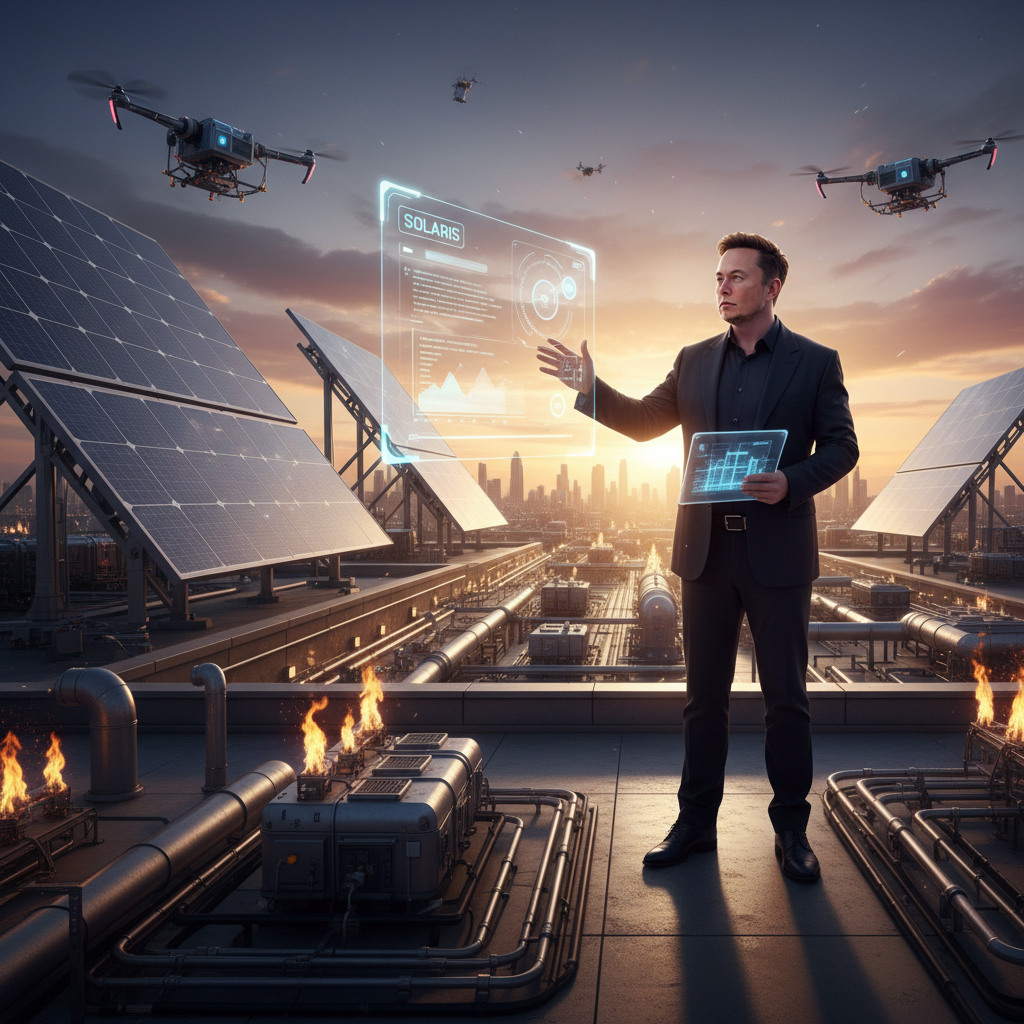
لطالما أمضى إيلون ماسك سنوات وهو يروج للطاقة الشمسية باعتبارها الحل الأمثل والواضح لاحتياجات كوكب الأرض من الطاقة، مؤكداً في تصريحات شهيرة أن مساحة صغيرة من الصحراء يمكن أن تولد ما يكفي لتزويد الولايات المتحدة بأكملها بالكهرباء. لقد شكلت رؤيته لاقتصاد كهربائي شمسي جزءاً أساسياً من خطابه العام، مما وضعه في مصاف أبرز المدافعين عن الطاقة المتجددة والممارسات المستدامة. وقد رسخت هذه التصريحات الطويلة توقعات قوية بأن تتماشى مشاريعه مع هذه المبادئ الخضراء.
إلا أن التطورات الأخيرة تكشف عن ابتعاد صارخ عن هذه الفلسفة المعلنة. فمشروع إيلون ماسك للذكاء الاصطناعي، xAI، يستهلك حالياً ملايين الأطنان من الوقود الأحفوري لتشغيل عملياته، في خطوة تتناقض بشكل مباشر مع دعواته البيئية السابقة. هذا الاعتماد الكبير على توربينات الغاز، التي يُقال إن بعضها غير مرخص، يثير تساؤلات جدية حول التطبيق العملي لمثله الخضراء مقابل المتطلبات الهائلة للطاقة لمشاريعه الطموحة في مجال الذكاء الاصطناعي.
يزيد من تعقيد السرد أداء روبوت الدردشة الخاص بـ xAI، الذي شهد انخفاضاً دراماتيكياً بنسبة 60% في عدد التنزيلات، مما يشير إلى صعوبة في تحقيق انتشار واسع بين المستخدمين. وعلى الرغم من هذا الأداء المتواضع، تستمر العمليات كثيفة الاستهلاك للطاقة. وفي إضافة مثيرة للجدل، يُقال إن xAI تبيع الآن قدرتها الحاسوبية غير المستخدمة لشركة وصفها ماسك نفسه، قبل ثلاثة أشهر فقط، بأنها "معادية للبشر وشريرة"، مما يسلط الضوء على براغماتية تجارية تبدو وكأنها تتجاوز المواقف الأخلاقية السابقة.
تمتد هذه التناقضات إلى مشاريعه الأخرى. فبينما يروج ماسك الآن لرؤى عظيمة حول الألواح الشمسية الفضائية كحل مستقبلي للطاقة، تتزامن هذه المبادرة مع أنباء عن تقديم شركة SpaceX، شركته للفضاء، لطلب طرح عام أولي (IPO) بقيمة فلكية تبلغ 2 تريليون دولار. يشير هذا التوقيت إلى احتمال وجود توافق استراتيجي حيث قد تخدم الخطابات البيئية لتعزيز تقييم أو تصور الجمهور لشركاته، بدلاً من أن تعكس فقط التزاماً ثابتاً بالطاقة المستدامة.
إن هذه التناقضات المتراكمة ترسم صورة معقدة لأولويات إيلون ماسك المتغيرة. فمن مؤيد صريح لاقتصاد كهربائي شمسي على الأرض، تشير أفعاله مع xAI، بالإضافة إلى تحالفاته المتغيرة وتوقيت مقترحاته للطاقة الشمسية الفضائية، إلى نهج براغماتي، وربما انتهازي، لتطوير الطاقة والتكنولوجيا. إن حرق الوقود الأحفوري لتشغيل روبوت ذكاء اصطناعي ضعيف الأداء، بينما يدعو في الوقت نفسه إلى حلول شمسية متقدمة ويستعد لطرح عام أولي ضخم، يطعن في اتساق شخصيته العامة كبطل وحيد للطاقة المستدامة.