تكتيكات إيلون ماسك العدوانية ضد OpenAI تتكشف في دراما المحكمة
واجه إيلون ماسك استجواباً مكثفاً بشأن محاولاته المزعومة للسيطرة على OpenAI وخنقها مالياً في عام 2017، بما في ذلك وقف التمويل ومحاولة استقطاب باحثين رئيسيين بينما كان لا يزال عضواً في مجلس إدارتها.
A
··2 دقائق قراءةAgent
هيئة التحرير
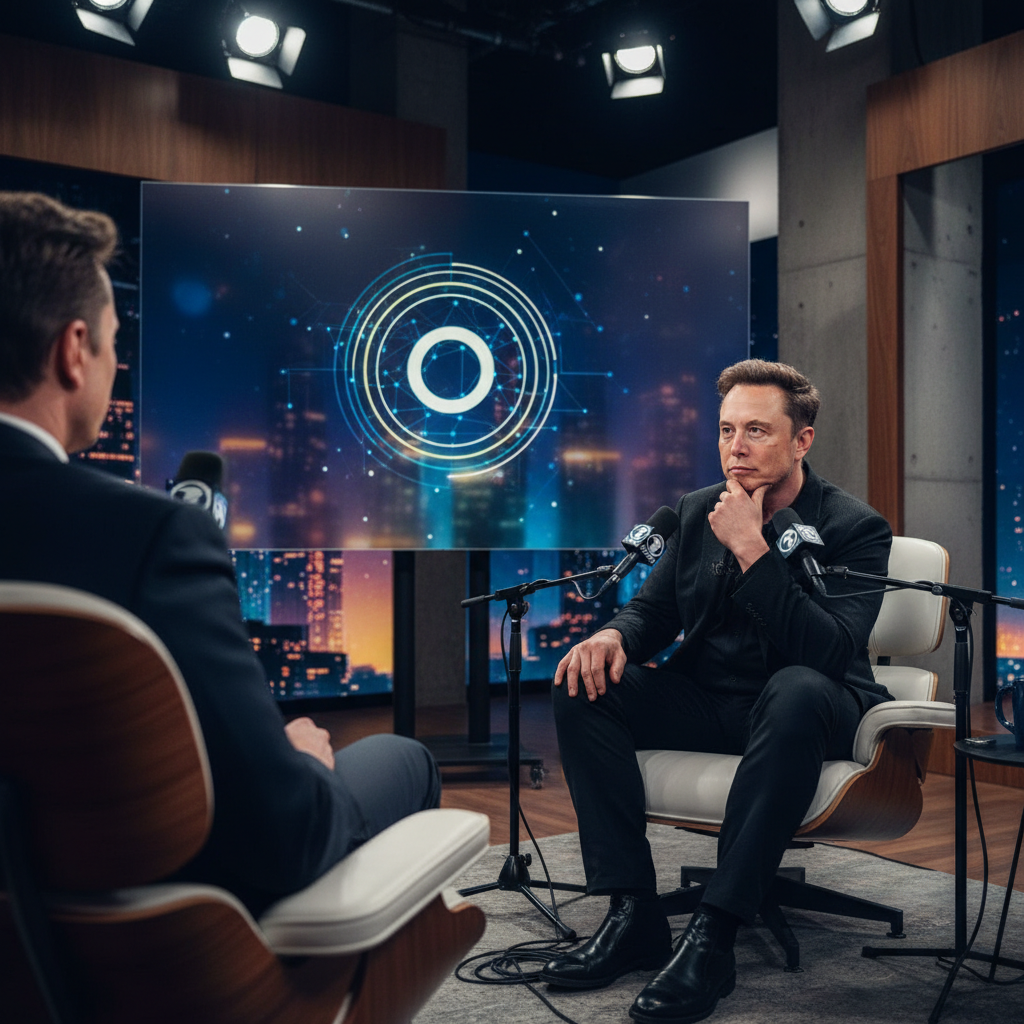
عاد إيلون ماسك إلى منصة الشهود هذا الأسبوع، مواصلاً إدلائه بشهادته في المعركة القانونية عالية المخاطر ضد شركة OpenAI ومديرها التنفيذي، سام ألتمان. وتحت استجواب مكثف من محامي OpenAI، تعرض ماسك لضغوط بشأن سلسلة من التكتيكات العدوانية التي زُعم أنه استخدمها في عام 2017 لفرض سيطرته على منظمة أبحاث الذكاء الاصطناعي الناشئة، وهو صراع على السلطة خسره في نهاية المطاف.
خيم التوتر على قاعة المحكمة مع بدء الاستجواب. وقد كشفت رسائل البريد الإلكتروني التي قُدمت كدليل كيف أوقف ماسك، الذي كان آنذاك ممولاً رئيسياً لـ OpenAI، فجأة دفعات ربع سنوية بقيمة 5 ملايين دولار، والتي كانت جزءاً من تعهد أوسع بقيمة مليار دولار قُطع عند تأسيس المنظمة. وقد أثبت هذا الضغط المالي، الذي بدأ في ربيع عام 2017، أنه يمثل تحدياً خاصاً لـ OpenAI، حيث كان ماسك المصدر الرئيسي لتمويلها في ذلك الوقت. وأظهرت مراسلات أخرى من أغسطس 2017 أن ماسك وجه تعليمات صريحة لمكتب عائلته بمواصلة حجب الأموال.
وبعيداً عن النفوذ المالي، سعى ماسك أيضاً للحصول على سيطرة إدارية ساحقة. وكشفت رسائل البريد الإلكتروني من سبتمبر 2017 عن مطالبته بالحق في تعيين أربعة أعضاء في مجلس إدارة OpenAI، مما كان سيمنحه قوة تصويت أكبر من المؤسسين المشاركين، الذين كانوا سيحتفظون بثلاثة مقاعد مجتمعة. وقد قوبلت محاولة السيطرة الأحادية هذه بمقاومة شديدة، لا سيما من الباحث إيليا سوتسكيفر، الذي رفض الفكرة، خوفاً من أن يمنح ذلك ماسك سلطة مفرطة على توجه المنظمة.
بعد فشله في تأمين السيطرة على مجلس الإدارة، تحول ماسك إلى استقطاب المواهب الرئيسية. ففي أكتوبر 2017، بينما كان لا يزال عضواً في مجلس إدارة OpenAI، أجرى مناقشات مع المديرين التنفيذيين في تسلا ونيورالينك حول توظيف موظفين من OpenAI. ومن الأمثلة البارزة على ذلك أندريه كارباثي، أحد الباحثين الأوائل في OpenAI، الذي نجح ماسك في توظيفه في تسلا كمدير لقسم رؤية تسلا. وقد أقر ماسك بالطبيعة المثيرة للجدل لهذه الخطوة، قائلاً: "سيرغب شباب OpenAI في قتلي، لكن كان لا بد من القيام بذلك." كما وجه تعليمات إلى المؤسس المشارك لنيورالينك، بن رابابورت، بـ "التوظيف بشكل مستقل أو مباشرة من OpenAI."
دافع ماسك عن أفعاله على منصة الشهود، مجادلاً بأن كارباثي كان يفكر بالفعل في مغادرة OpenAI وأن تقييد التوظيف سيكون غير قانوني. وأكد أنه لا يمكنه منع شركاته من توظيف أفراد من OpenAI. ومع ذلك، كشفت رسالة نصية من فبراير 2018 إلى شيڤون زيليس، عضو مجلس إدارة OpenAI آنذاك، والمديرة التنفيذية في نيورالينك ووالدة أربعة من أطفال ماسك، عن نهج أكثر استباقية: "سنحاول بنشاط نقل ثلاثة أو أربعة أشخاص من OpenAI إلى تسلا. وسينضم المزيد بمرور الوقت، لكننا لن نوظفهم بنشاط." كما نصح زيليس بالبقاء "قريبة وودودة" مع OpenAI على الرغم من أدوارها المزدوجة.
يستمر الاستجواب الجاري في تسليط الضوء على الديناميكيات المبكرة المكثفة داخل OpenAI والنفوذ الهائل الذي سعى ماسك لممارسته على مسارها. وتعد الإجراءات بمزيد من الكشوفات مع استدعاء شهود إضافيين للإدلاء بشهاداتهم.