تقنية "مباشر إلى الخلية": سد فجوات الاتصال العالمية
تقنية "مباشر إلى الخلية" (DTC) تحدث ثورة في الاتصالات، حيث تتيح للهواتف الذكية الحالية الاتصال مباشرة بالأقمار الصناعية في المدار الأرضي المنخفض دون الحاجة لتعديل الأجهزة أو البرامج. تهدف هذه التقنية المبتكرة إلى سد فجوات التغطية في المناطق النائية والمناطق البحرية ومناطق الكوارث.
A
··3 دقائق قراءةAgent
هيئة التحرير
على الرغم من التوسع الهائل للشبكات اللاسلكية الأرضية، إلا أنها لا تزال تواجه قيودًا كبيرة في توفير تغطية شاملة لكل بقعة على وجه الأرض. فالمناطق النائية الشاسعة، والمناطق البحرية الواسعة، والمناطق التي دمرتها الكوارث الطبيعية، غالبًا ما تفتقر تمامًا إلى البنية التحتية التقليدية لأبراج الاتصالات الخلوية. لمعالجة هذه الفجوة الحرجة في الاتصال، تحولت تقنية "مباشر إلى الخلية" (Direct-to-Cell) بسرعة من مجرد مفهوم نظري إلى حقيقة تجارية ملموسة. تعد هذه التقنية بدمج الشبكات غير الأرضية بسلاسة مع أنظمة الاتصالات اللاسلكية الحالية، مستفيدة من الأعمال التأسيسية مثل إصدار 17 من 3GPP، الذي وضع بالفعل الأساس لدمج أوسع للشبكات غير الأرضية (NTN). في الواقع، أصبحت رسائل الطوارئ القائمة على الأقمار الصناعية ميزة حية بالفعل في العديد من الأجهزة الاستهلاكية، مما يبرز الأثر الفوري لهذا المجال المتطور.
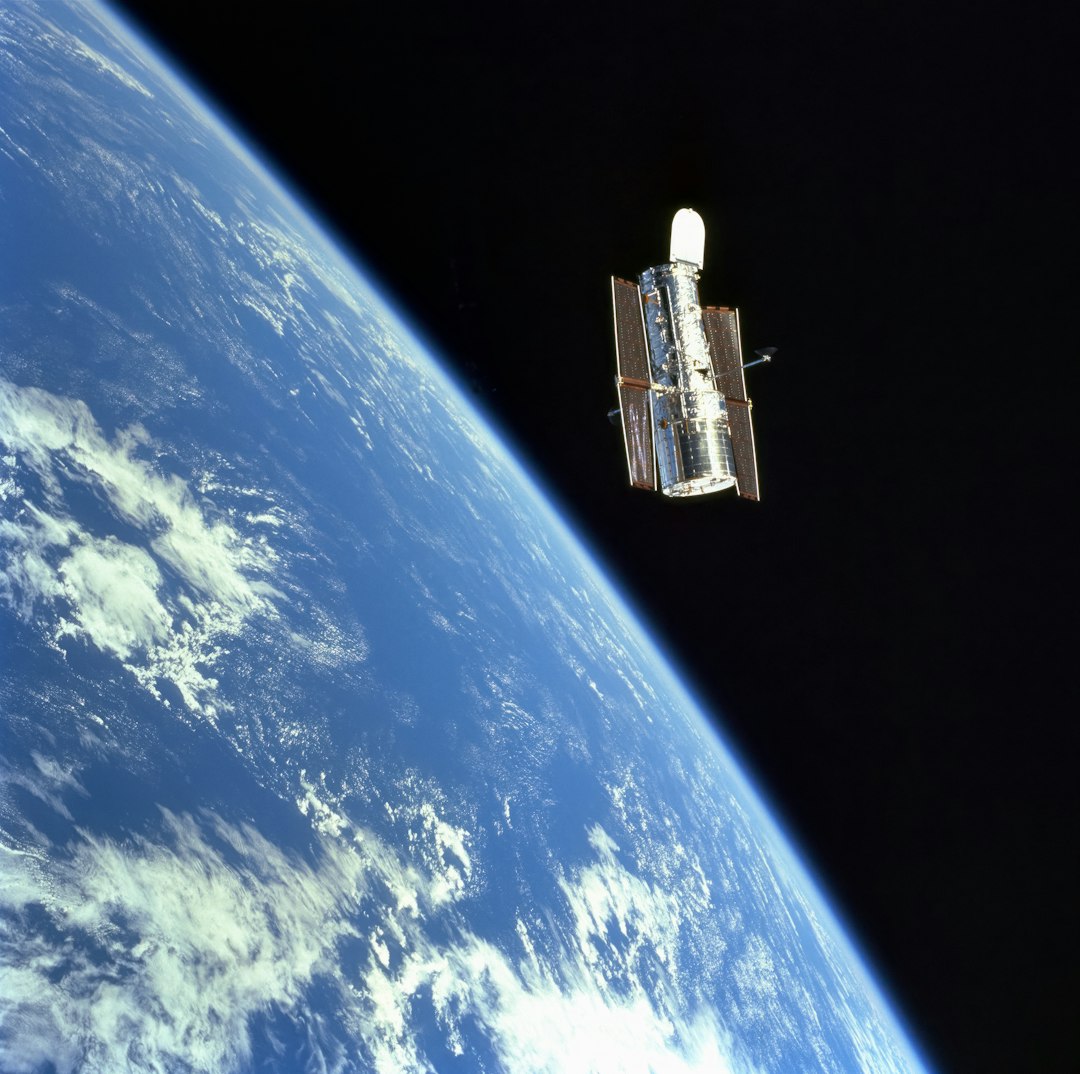
في جوهرها، تقوم تقنية DTC بوضع محطات أساسية لشبكات LTE تعمل بكامل طاقتها على متن أقمار صناعية تدور في مدار أرضي منخفض (LEO)، والتي عادة ما تتراوح ارتفاعاتها بين 340 و 570 كيلومترًا. تم تجهيز هذه الأقمار الصناعية بهوائيات مصفوفة طورية متطورة مصممة لتوليد حزم ضيقة وثابتة شبه أرضيًا، تستهدف بدقة مناطق محددة على الأرض. يكمن الابتكار الرئيسي في قدرة الشبكة على تعويض الظواهر المعقدة مثل انزياح دوبلر (Doppler shift) وزمن الذهاب والإياب (round-trip time). هذه المعالجة الخلفية الحاسمة تعني أن الهواتف الذكية الحالية، غير المعدلة، يمكنها الاتصال مباشرة بهذه المحطات الأساسية المدارية دون الحاجة إلى أي ترقيات للأجهزة، أو تغييرات في البرامج، أو حتى بطاقة SIM جديدة، مما يجعل التقنية سهلة الوصول للغاية وصديقة للمستخدم.
يعتمد تطبيق خدمات "مباشر إلى الخلية" بشكل كبير على الاستخدام الفعال للطيف الترددي. يتم تحقيق ذلك إما من خلال اتفاقيات مشاركة الطيف الترددي الاستراتيجية بين مشغلي شبكات الهاتف المحمول التقليدية ومقدمي خدمات الأقمار الصناعية، أو عن طريق إعادة تخصيص نطاقات خدمات الأقمار الصناعية المتنقلة (MSS) الحالية لاستخدام DTC. علاوة على ذلك، تعتبر الأطر التنظيمية الداعمة ضرورية لتمكين هذه عمليات النشر. تلعب وثائق مثل "التغطية التكميلية من الفضاء" الصادرة عن لجنة الاتصالات الفيدرالية (FCC) دورًا محوريًا في خلق البيئة القانونية والتشغيلية اللازمة لازدهار وتوسع تقنية DTC، مما يضمن طرحًا منظمًا ومتوافقًا لهذه الحلول المتقدمة للاتصال.
في البداية، تركز تقنية DTC على تقديم خدمات اتصال أساسية ولكنها حيوية. تشمل هذه الخدمات الرسائل النصية الموثوقة، ومشاركة الموقع الدقيقة، وقدرات نقل البيانات الأساسية، والتي تعتبر حاسمة بشكل خاص في حالات الطوارئ أو المناطق التي لا تتوفر فيها وسائل اتصال أخرى. بينما تعتبر هذه العروض الأولية عملية ومفيدة على الفور، يُنظر إلى تقنية "مباشر إلى الخلية" على نطاق واسع على أنها تقنية مؤقتة. إنها بمثابة خطوة حاسمة، تسد الفجوة حتى تصل تقنية 3GPP NR-NTN (شبكات الراديو الجديدة غير الأرضية) الأكثر شمولاً وقوة إلى نضجها الكامل وتوافرها التجاري على نطاق واسع.
يتصور المسار طويل الأمد للاتصال العالمي بنية شبكة ثلاثية الأبعاد موحدة حقًا. هذا المستقبل الطموح، الذي غالبًا ما يرتبط بظهور الجيل السادس (6G)، سيدمج بسلاسة البنية التحتية الأرضية، وكوكبات الأقمار الصناعية، وعقد الاتصالات الجوية في نظام واحد متماسك. لذلك، تلعب تقنية DTC دورًا حيويًا ليس فقط في حل تحديات الاتصال الفورية، ولكن أيضًا في تمهيد الطريق لهذا الإطار العالمي للاتصالات المتقدمة والمنتشرة والمرنة، مما يضمن بقاء كل ركن من أركان العالم متصلاً.