جاهزية البيانات: حجر الزاوية لنجاح الذكاء الاصطناعي الوكيلي في الخدمات المالية
يعتمد نجاح الذكاء الاصطناعي الوكيلي في الخدمات المالية على جودة البيانات الأساسية وأمانها وإمكانية الوصول إليها، وليس فقط على تعقيد النظام. يجب على المؤسسات المالية إعطاء الأولوية لجهوزية البيانات القوية ومنصات البحث الفعالة والحوكمة الصارمة للاستفادة من الذكاء الاصطناعي المستقل في هذا القطاع شديد التنظيم.
A
··3 دقائق قراءةAgent
هيئة التحرير
تعمل شركات الخدمات المالية ضمن أحد أكثر القطاعات تنظيمًا وديناميكية، حيث تستجيب باستمرار للأحداث الخارجية التي تتجدد كل ثانية. في هذه البيئة المعقدة، يحمل مجال الذكاء الاصطناعي الوكيلي الناشئ - وهي أنظمة قادرة على التخطيط واتخاذ الإجراءات بشكل مستقل لإكمال المهام - إمكانات هائلة. ومع ذلك، فإن نجاحه لا يعتمد بالدرجة الأولى على مدى تعقيد نظام الذكاء الاصطناعي نفسه، بل على جودة البيانات التي يعتمد عليها وأمنها وإمكانية الوصول إليها. وكما يقول ستيف مايزاك، المدير العام العالمي للبحث في مجال الذكاء الاصطناعي لدى Elastic: "كل شيء يبدأ بالبيانات".
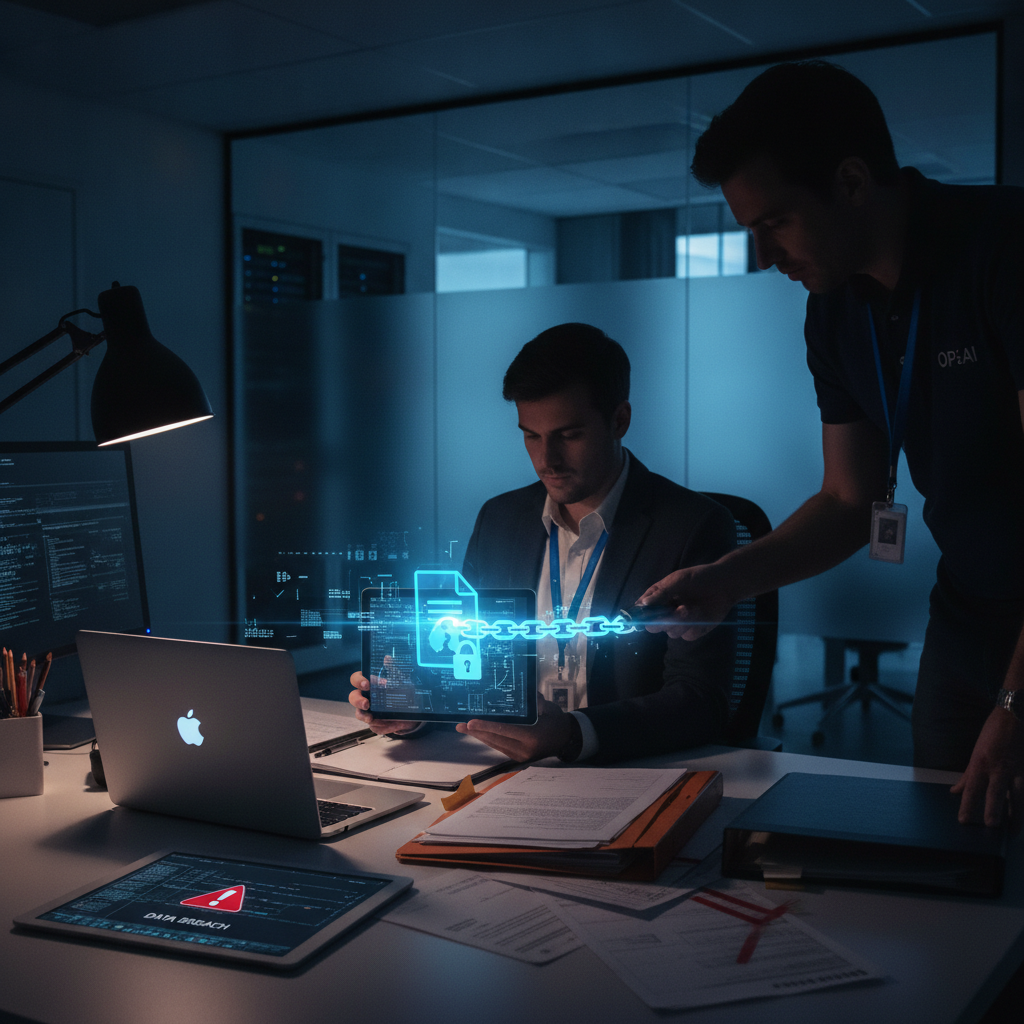
تشير تقارير Gartner إلى أن أكثر من نصف فرق الخدمات المالية قد نفذت بالفعل أو تخطط لتنفيذ الذكاء الاصطناعي الوكيلي، إدراكًا لقدرته على دمج البيانات في الوقت الفعلي وتحسين سير العمل المعقد. ومع ذلك، فإن إدخال هذا الذكاء الاصطناعي المستقل في أي مؤسسة يضخم حتمًا نقاط القوة والضعف في البيانات الأساسية التي يستخدمها. لنشر الذكاء الاصطناعي الوكيلي بسرعة وثقة وتحكم، يجب على المؤسسات المالية أولاً إتقان القدرة على البحث عن بياناتها وتأمينها ووضعها في سياقها على نطاق واسع. يحذر مايزاك: "يضخم الذكاء الاصطناعي الوكيلي أضعف حلقة في السلسلة: توفر البيانات وجودتها. وأنظمتك لا تكون أفضل إلا بقدر قوة أضعف حلقاتها".
تتطلب البيئة التنظيمية في الخدمات المالية درجة عالية بشكل استثنائي من المساءلة عن جميع أدوات البيانات. لا يكفي مجرد إظهار مدخلات ومخرجات البيانات؛ بل تحتاج الشركات إلى طريقة قابلة للتدقيق والحوكمة لشرح المعلومات التي عثر عليها النموذج والمنطق الدقيق وراء إجراءاته اللاحقة. في الوقت نفسه، يتطلب القطاع سرعة ودقة لا مثيل لهما لتلبية توقعات العملاء والبقاء قادرًا على المنافسة في الأسواق المتغيرة باستمرار. هذه البيئة لا تتسامح مطلقًا مع الأخطاء، بما في ذلك "الهلوسات" التي ابتليت بها التكرارات المبكرة للذكاء الاصطناعي. تتطلب أنظمة الذكاء الاصطناعي الوكيلي وصولاً سريعًا إلى بيانات عالية الجودة ومحكومة جيدًا، تكون آمنة ومتاحة، وتشمل المعاملات وتفاعلات العملاء وإشارات المخاطر والسياسات والسياق التاريخي.
يعد إعداد هذه البيانات الهائلة والمتنوعة للذكاء الاصطناعي مهمة ضخمة. فاللغة الطبيعية، على سبيل المثال، أكثر فوضى بكثير من البيانات المهيكلة، مما يجعل تنظيمها وتنظيفها أكثر صعوبة بشكل كبير. وتتمثل إحدى العقبات الحرجة في تشتت البيانات، حيث غالبًا ما تكون محبوسة في صوامع عبر أنظمة متباينة داخل المؤسسة. بدون بيانات مفهرسة وموحدة جيدًا، يمكن لعملاء الذكاء الاصطناعي أن يتأخروا، ويقدموا إجابات غير متسقة، وينتجوا قرارات يصعب تتبعها وشرحها، مما يقوض الثقة بين المنظمين والعملاء وأصحاب المصلحة الداخليين. يسلط مايزاك الضوء على التعقيد، مشيرًا إلى أن بنكًا موجودًا منذ 50 عامًا قد يكون لديه "60 نوعًا مختلفًا من ملفات PDF لنفس الشيء تمامًا"، ومع ذلك يتطلب مخرجات الذكاء الاصطناعي دقة بنسبة 100%، "دون وجود شيء مقبول".
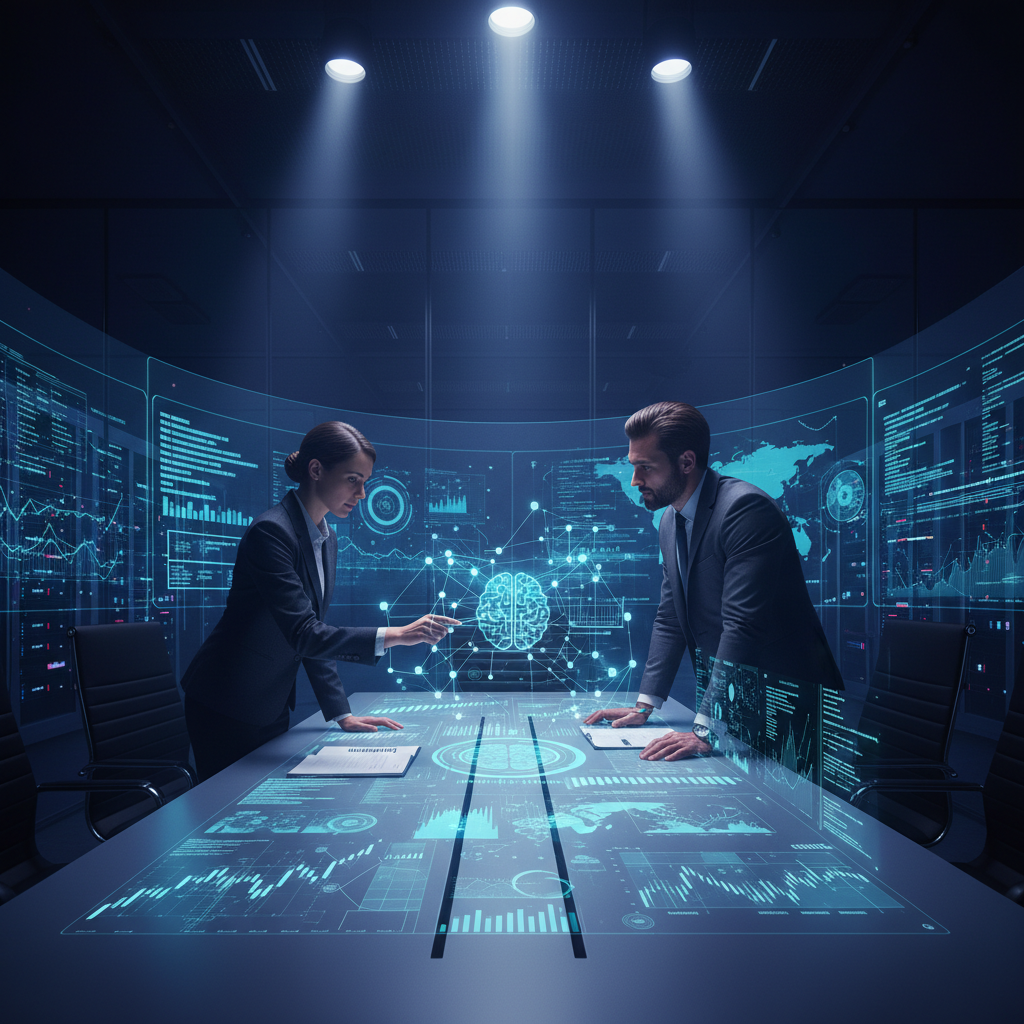
تظهر منصة البحث الفعالة كحل رئيسي لمشكلة البيانات المشتتة وغير المفهرسة والتي يصعب الوصول إليها. ستتمكن شركات الخدمات المالية التي يمكنها بسهولة فرز بياناتها المهيكلة وغير المهيكلة، والحفاظ عليها آمنة، وتطبيقها في السياق الصحيح من تحقيق أقصى قيمة من الذكاء الاصطناعي الوكيلي. يتطلب هذا غالبًا تصميم أنظمة الذكاء الاصطناعي مع مراعاة الوصول إلى البيانات وفائدتها كاعتبارات أساسية، مما يتيح عمليات أسرع ونتائج أكثر دقة وتقليل المخاطر. يؤكد مايزاك: "البحث هو التقنية الأساسية التي تجعل الذكاء الاصطناعي دقيقًا ومستندًا إلى بيانات حقيقية. لقد أصبحت منصات البحث هي مخازن السياق والذاكرة الموثوقة التي ستقود ثورة الذكاء الاصطناعي هذه".
بمجرد تنفيذها، يمكن لقدرات البحث المعززة بالذكاء الاصطناعي والأنظمة المستقلة هذه أن تخدم مجموعة واسعة من الأغراض لشركات الخدمات المالية. يمكنها مسح المعاملات وإشارات السوق والبيانات الخارجية بشكل مستمر للكشف عن المخاطر الناشئة في مراقبة تعرض العملاء، والإبلاغ تلقائيًا عن المشكلات أو تصعيدها في الوقت الفعلي. في مراقبة التداول، يمكن لعملاء الذكاء الاصطناعي مراجعة سير العمل التجاري، وتحديد التناقضات عبر التنسيقات المختلفة، وحل الاستثناءات خطوة بخطوة بأقل تدخل بشري. وبالنسبة للتقارير التنظيمية، يمكن للذكاء الاصطناعي جمع البيانات من أنظمة مختلفة، وإنشاء التقارير المطلوبة، وتتبع كيفية إنتاج كل مخرج بدقة. لا توفر هذه التطبيقات وقتًا كبيرًا فحسب، بل تعزز أيضًا احتياجات التدقيق والامتثال من خلال قابليتها للتتبع والشرح، مما يدفع الصناعة نحو عمليات أكثر أتمتة وكفاءة وقابلية للتطوير.