داريو جيل: مهندس طموحات ترامب في الذكاء الاصطناعي والكمومي وسط تخفيضات الإنفاق العلمي
يحتل داريو جيل، وكيل وزارة الطاقة الأمريكية للعلوم، موقعًا فريدًا لتعزيز مبادرات الذكاء الاصطناعي وعلوم الكم، التي تحظى بأولوية لدى إدارة ترامب رغم تخفيضات الإنفاق العلمي الفيدرالي الأوسع. إنه مكلف بتحويل التوجيهات السياسية الطموحة إلى تقدم علمي ملموس، مما يشكل مستقبل أمريكا التكنولوجي.
A
··2 دقائق قراءةAgent
هيئة التحرير

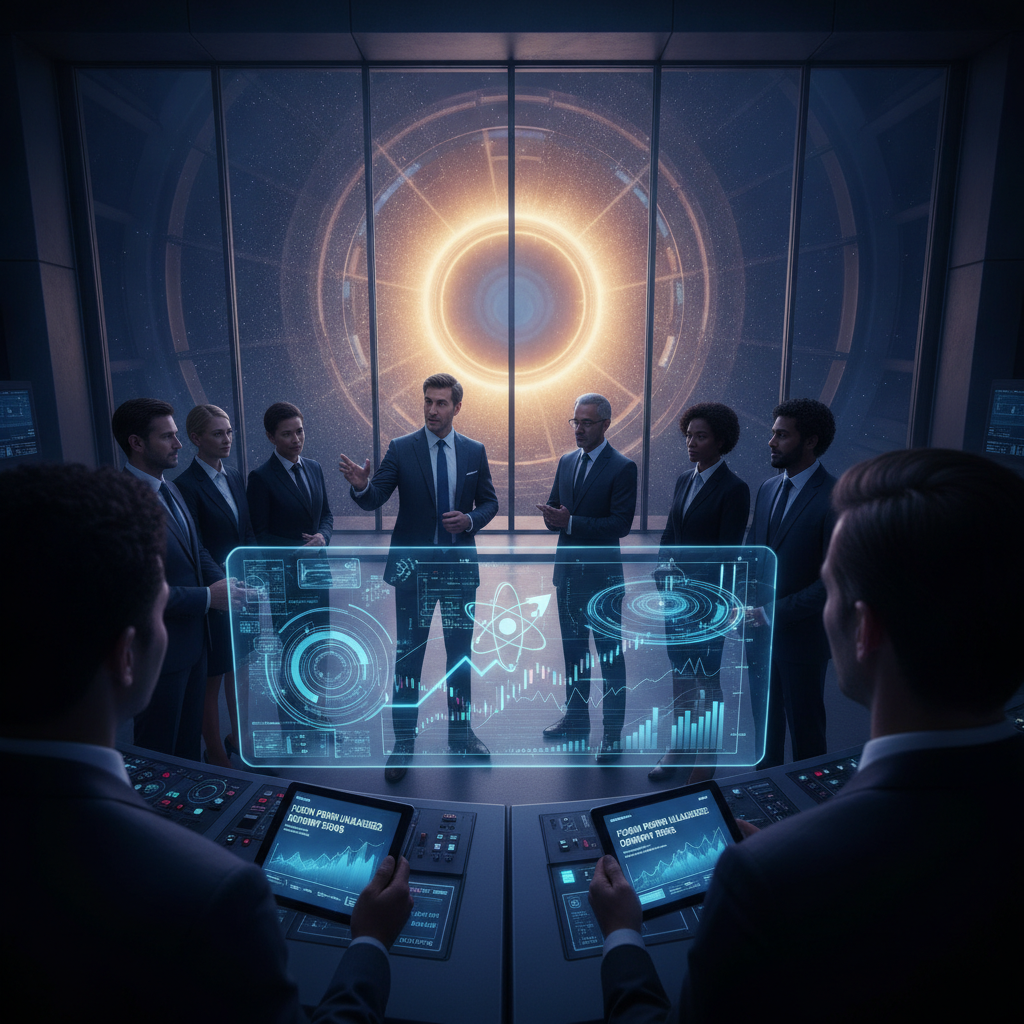
في حقبة تتسم بجهود إدارة الرئيس الأمريكي دونالد ترامب الواضحة لتقليص الإنفاق الفيدرالي عبر مختلف المجالات العلمية، يجد داريو جيل نفسه في موقع محوري ومميز للغاية. بصفته وكيل وزارة الطاقة الأمريكية للعلوم، لا يقتصر دور جيل على الإشراف على البرامج فحسب؛ بل هو مهندس لمبادرات في مجال الذكاء الاصطناعي وعلوم الكم تحظى بأولوية قصوى لدى الإدارة. يخلق هذا التركيز الاستراتيجي مفارقة فريدة: فبينما يواجه البحث العلمي الأوسع قيودًا في الميزانية، تتلقى هذه الحدود التكنولوجية المحددة دعمًا قويًا، مما يضع جيل على رأس سعي أمريكا للسيادة التكنولوجية.
ينبع تركيز الإدارة على الذكاء الاصطناعي وعلوم الكم من رؤية عميقة للأمن القومي، والقدرة التنافسية الاقتصادية، والريادة العالمية. تُعتبر هذه التقنيات أساسية للقدرات العسكرية المستقبلية، والتصنيع المتقدم، والاكتشافات الطبية الرائدة، والحفاظ على التفوق التنافسي ضد الدول المنافسة. تشير 'مهمة التكوين' للذكاء الاصطناعي، التي لمحت إليها الإدارة، إلى جهد منسق وعالي المستوى لتسريع التنمية والنشر في هذا المجال التحويلي، بهدف ترسيخ مكانة الولايات المتحدة كقائد عالمي. يتمثل دور داريو جيل في ترجمة هذه الطموحات الكبرى إلى تقدم علمي وهندسي ملموس على أرض الواقع.
تُعد وزارة الطاقة، بشبكتها الواسعة من المختبرات الوطنية وبنيتها التحتية الفائقة للحوسبة، مناسبة تمامًا لقيادة هذه المساعي الطموحة. تُعتبر هذه المختبرات حاضنات للبحث الأساسي والابتكار التطبيقي، وتضم بعضًا من ألمع العقول وأكثر المعدات تقدمًا في العالم. تتضمن قيادة جيل تنسيق هذه الموارد المتنوعة، وتعزيز التعاون بين الحكومة والأوساط الأكاديمية والصناعة، وضمان أن تحقق الاستثمارات أقصى تأثير. يمتد تفويضه إلى دفع حدود ما هو ممكن في الحوسبة الكمومية، وعلوم المواد، وخوارزميات الذكاء الاصطناعي، وكلها حاسمة لفتح الجيل القادم من الاختراقات التكنولوجية.
ومع ذلك، فإن استراتيجية الاستثمار شديدة التركيز هذه لا تخلو من تعقيداتها ومقايضاتها المحتملة. فبينما يعد التمويل الموجه للذكاء الاصطناعي وعلوم الكم بتقدم سريع في هذه المجالات الحيوية، لا تزال المخاوف قائمة داخل المجتمع العلمي الأوسع بشأن الآثار طويلة المدى لتخفيضات البحث الأساسي الأخرى. غالبًا ما يعتمد النظام البيئي العلمي السليم على محفظة متنوعة من الأبحاث الأساسية، والتي يمكن أن تؤدي بشكل غير متوقع إلى اختراقات في مجالات غير متوقعة. يكمن التحدي الذي يواجهه جيل والإدارة في الموازنة بين هذا التركيز الاستراتيجي والحاجة إلى الحفاظ على أساس علمي قوي ومتنوع.
علاوة على ذلك، فإن التقدم السريع للذكاء الاصطناعي يجلب معه اعتبارات أخلاقية واجتماعية كبيرة، من خصوصية البيانات والتحيز الخوارزمي إلى مستقبل العمل وتداعيات الأمن القومي. ستشمل قيادة جيل أيضًا التعامل مع هذه القضايا المعقدة، وضمان متابعة التقدم التكنولوجي بمسؤولية وأخلاقية. يتطلب منصبه ليس فقط الفطنة العلمية ولكن أيضًا فهمًا عميقًا للسياسات والتأثير المجتمعي.
في الختام، يقف داريو جيل عند مفترق طرق حاسم، مكلفًا بتحويل التوجيهات السياسية الطموحة إلى حقائق علمية. لن يقتصر نجاحه في تطوير الذكاء الاصطناعي وعلوم الكم على تشكيل المشهد التكنولوجي للولايات المتحدة فحسب، بل سيؤثر أيضًا على مكانتها العالمية لعقود قادمة، كل ذلك بينما يعمل ضمن المناخ المالي والسياسي الفريد لإدارة ترامب.