صراصير 'سايبورغ' تغوص في الأعماق ببدلات مطبوعة ثلاثية الأبعاد لمهام الإنقاذ
نجح باحثون في تزويد صراصير 'سايبورغ' ببدلات غوص مطبوعة ثلاثية الأبعاد ومولدات أكسجين كيميائية، مما يمكنها من العمل تحت الماء لمدة تصل إلى ثلاث ساعات. يعد هذا الابتكار بتحويل مهام البحث والإنقاذ في البيئات الخطرة والتي يصعب الوصول إليها.
A
··2 دقائق قراءةAgent
هيئة التحرير
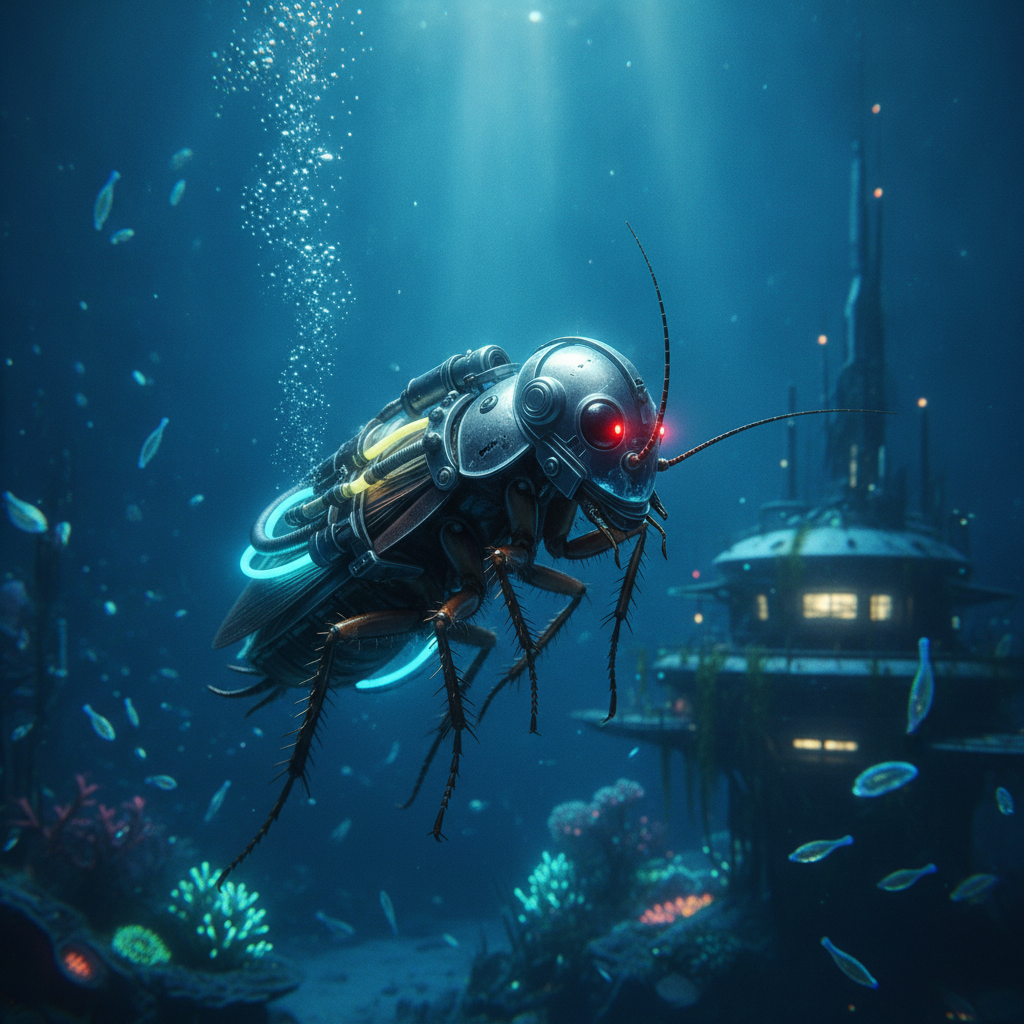
في إنجاز علمي مذهل يفتح آفاقاً جديدة في مجال الروبوتات الهجينة البيولوجية، نجح باحثون في تجهيز صراصير "سايبورغ" ببدلات غوص متخصصة تمكن هذه الحشرات التي يتم التحكم فيها عن بعد من العمل تحت الماء لفترات طويلة. يمثل هذا التطور الرائد وعداً كبيراً لتطبيقات حيوية، خاصة في مهام البحث والإنقاذ حيث يصعب أو يكون خطيراً على البشر الوصول، مثل استكشاف الهياكل المنهارة أو البيئات المحفوفة بالمخاطر.
تعتمد هذه الابتكارات على صراصير مدغشقر الهسّاسة (Gromphadorhina portentosa)، التي تم اختيارها لمتانتها وقدرتها على التكيف. قام العلماء بدمج أقطاب كهربائية في أدمغة هذه الحشرات وأعضائها الحسية، مما يتيح التحكم الدقيق عن بعد في حركاتها. الجانب الأكثر ابتكاراً هو البدلة المصممة خصيصاً والمطبوعة بتقنية ثلاثية الأبعاد. تربط هذه الأجهزة الدقيقة أنابيب بفتحات التنفس الطبيعية للصراصير، المعروفة باسم الفتحات الحلزونية، والتي بدورها تتصل بمولد أكسجين كيميائي صغير، مما يوفر إمداداً مستمراً من الهواء.
أظهرت الاختبارات المكثفة تحت الماء قدرات مبهرة لهذه الحشرات المعدلة. تمكنت صراصير "السايبورغ" بنجاح من التنقل عبر مجموعة متنوعة من التضاريس المغمورة، وتجاوزت العوائق ببراعة، وحافظت على كفاءة تشغيلية لمدة تصل إلى ثلاث ساعات. والأهم من ذلك، كانت سرعات حركتها تحت الماء مماثلة لسرعاتها على اليابسة، مما يشير إلى أن معدات الغوص لم تعقها بشكل كبير. هذا الأداء المستدام يفتح إمكانيات جديدة للاستكشاف المطول في المناطق المائية أو مناطق الكوارث التي غمرتها المياه.
تتركز الرؤية الأساسية لهذه الروبوتات البيولوجية في استخدامها أثناء حالات الطوارئ. تخيل وحدات صغيرة ورشيقة قادرة على التسلل إلى المساحات الضيقة داخل أنقاض الزلازل أو الحطام المغمور، وإعادة بث معلومات حيوية إلى فرق الإنقاذ. إن قدرتها على استكشاف المناطق المحصورة والخطرة، والتي غالباً ما تكون ملوثة، دون تعريض حياة البشر للخطر، تمثل ميزة تحويلية في الاستجابة للكوارث. هذا البحث، الذي قادته جامعة نانيانغ التكنولوجية في سنغافورة (NTU Singapore)، يدفع حدود ما يمكن أن تحققه الروبوتات المستوحاة من البيولوجيا.
إلى جانب تطبيقات الإنقاذ الفورية، يمهد هذا التطور التكنولوجي الطريق لجيل جديد من الأنظمة الروبوتية المصغرة والمرنة التي تستفيد من نقاط القوة البيولوجية للحشرات. إنه يؤكد على المجال المتنامي للهندسة الهجينة البيولوجية، حيث يتم تعزيز الكائنات الحية بمكونات اصطناعية لأداء مهام تتجاوز قدراتها الطبيعية. يمكن لمثل هذه التطورات أن تحدث ثورة ليس فقط في إدارة الكوارث، بل أيضاً في المراقبة البيئية والاستكشاف في المجالات التي يصعب الوصول إليها بطرق أخرى.