خبراء الأمن السيبراني يحتجون على حظر أمريكي 'خطير' لنماذج Anthropic القوية للذكاء الاصطناعي
يحتج خبراء الأمن السيبراني على حظر أمريكي لنماذج الذكاء الاصطناعي القوية من Anthropic، معتبرين أن القرار 'خطير' ويحرم المدافعين من أدوات حيوية. يؤكدون أن الحظر، الذي يستند إلى مخاوف الأمن القومي، يزيل قدرات أساسية للكشف عن الثغرات بينما يتقدم الخصوم.
A
··3 دقائق قراءةAgent
هيئة التحرير
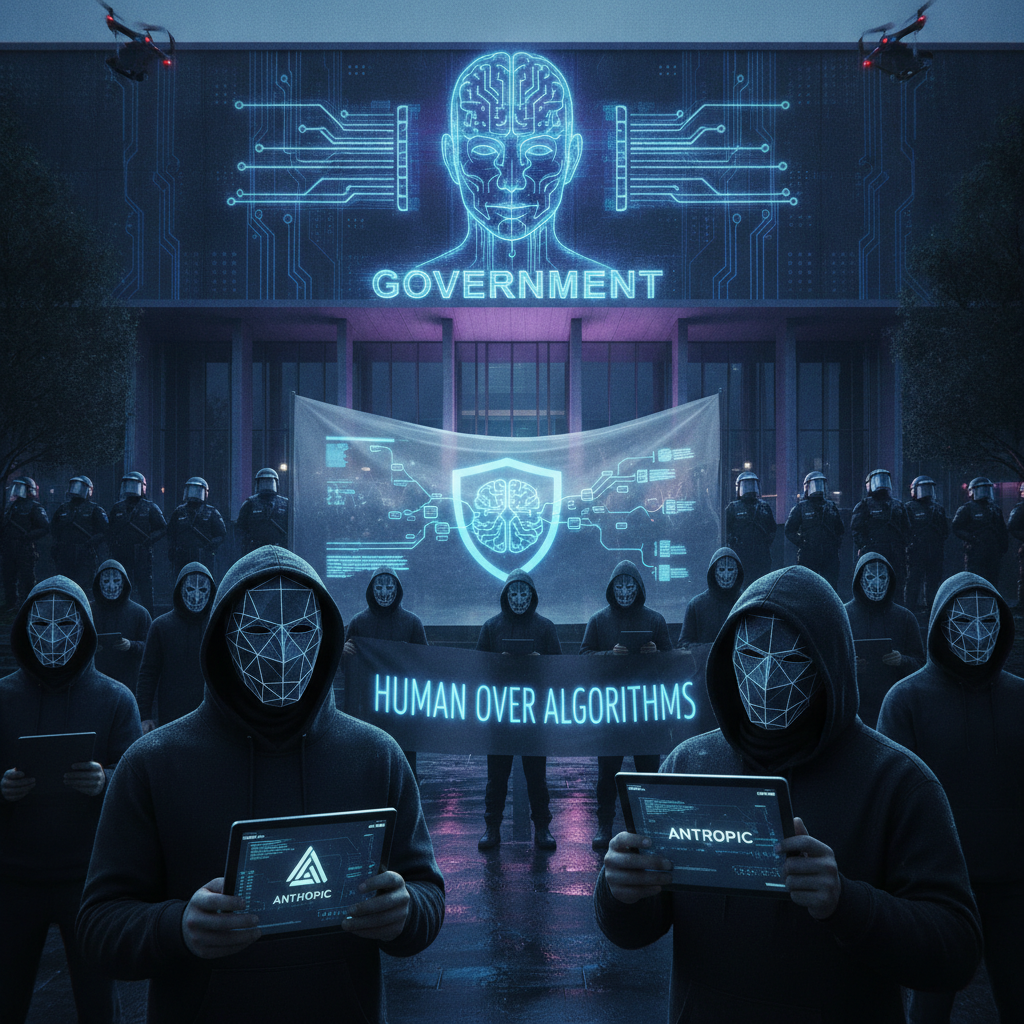
وجهت مجموعة تضم عشرات من خبراء الأمن السيبراني، بمن فيهم عدد من المخضرمين المعروفين في الصناعة، رسالة مفتوحة إلى الحكومة الأمريكية، مطالبين إياها برفع أمر الرقابة على الصادرات المفروض على نماذج الذكاء الاصطناعي القوية Fable و Mythos من شركة Anthropic. يرى الخبراء أن هذا الإجراء الحكومي 'خطير' لأنه يسلب أفضل القدرات من المدافعين في مجال الأمن السيبراني، ويمنعهم من استخدام هذه النماذج لاكتشاف الثغرات الأمنية وجعل برامجهم ومنتجاتهم أكثر أمانًا. ويؤكدون أن سحب هذه الإمكانيات من المدافعين دون سبب وجيه، في الوقت الذي يتقدم فيه خصومنا بسرعة، يشكل خطرًا جسيمًا على الأمن القومي.
جاء قرار الحكومة الأمريكية، الذي صدر يوم الجمعة الماضي، مستندًا إلى مخاوف تتعلق بالأمن القومي لم يتم توضيحها، وذلك لتقييد تصدير نموذجي Fable و Mythos. ردًا على ذلك، قامت شركة Anthropic بتعليق الوصول إلى النماذج لجميع المستخدمين في جميع أنحاء العالم. ومن بين الموقعين الـ 76 على الرسالة المفتوحة شخصيات بارزة مثل أليكس ستاموس، الرئيس السابق للأمن في فيسبوك؛ وكيسي إليس، مؤسس منصة Bugcrowd؛ وجون كالاس، عالم التشفير الشهير؛ وبول فيكسي، عالم الحاسوب؛ ودينو داي زوفي، الرئيس السابق لهندسة الأمن التطبيقي في Block؛ وكاتي موسوريس، مؤسسة Luta Security؛ وراشيل توباك، الرئيسة التنفيذية لشركة SocialProof Security.
عندما أُطلق نموذج Mythos كنسخة معاينة في أبريل، ادعت Anthropic أنه قوي جدًا في اكتشاف الثغرات الأمنية لدرجة أن الشركة احتاجت إلى تقييد الوصول إليه بشدة لمنع المتسللين الخبثاء أو الخصوم الأجانب من استخدامه لإحداث الفوضى على الإنترنت. عمليًا، عنى ذلك أن Anthropic منحت حوالي 50 شركة وصولًا مبدئيًا إلى Mythos، ثم وسعت هذه المجموعة مؤخرًا لتشمل حوالي 150 منظمة في 15 دولة. وفي الأسبوع الماضي، أطلقت Anthropic نموذج Fable، وهو نسخة عامة من Mythos، وقالت الشركة إنها تحتوي على قيود صارمة لمنع استخدامها في مجالات البيولوجيا والكيمياء والأمن السيبراني، وكذلك لمنع الآخرين من استخلاص النموذج لإعادة إنشائه. كانت القيود على Fable صارمة لدرجة أن العديد من خبراء الأمن السيبراني وجدوا أنها توقف أي طلبات تتعلق بالأمن السيبراني تقريبًا.
قد يكون أمر الرقابة على الصادرات الصادر عن البيت الأبيض مبنيًا على تقرير يشير إلى وجود طريقة لتجاوز – أو 'اختراق' – Fable لفتح قدراته القوية على مستوى Mythos. وفقًا لكاتي موسوريس، إحدى الموقعين على الرسالة المفتوحة، تم إثبات هذه الطريقة من قبل باحثي أمازون في ورقة بحثية غير علنية قامت بمراجعتها. لكن موسوريس قالت في تدوينة لها إن الورقة لم تثبت في الواقع اختراقًا حقيقيًا. وبدلاً من ذلك، كتبت أن الباحثين طلبوا ببساطة من Fable إصلاح شيفرة مفتوحة المصدر تحتوي على ثغرات عامة ومعروفة بالإضافة إلى 'ثغرات مزروعة عمدًا'، بعد أن رفض النموذج في البداية 'مراجعة الشيفرة بحثًا عن مشكلات أمنية'.
شددت موسوريس على أن السلوك الموصوف في الورقة لا يمكن إصلاحه بشكل هادف، وأن أي محاولة لذلك ستؤدي فقط إلى إضعاف النموذج لأغراض الدفاع. وأوضحت أن المدافعين يحتاجون إلى أن يكونوا قادرين على مطالبة الذكاء الاصطناعي بإصلاح الأخطاء في ملف، وشرح سبب أهمية الإصلاح، وكتابة اختبارات تؤكد أن التصحيح يعمل. وهذا ليس تجاوزًا للقيود، بل هو الشيء الأكثر قيمة الذي يمكن لنموذج الذكاء الاصطناعي أن يفعله للأمن الدفاعي: تنفيذ دورة البحث والإصلاح والاختبار التي يقوم بها المدافعون يوميًا. وقد تكرر انتقاد موسوريس في الرسالة المفتوحة، التي ذكرت أيضًا أن مجموعة الخبراء تعتقد أن قدرات النموذج المذكورة في ورقة أمازون 'يمكن تكرارها' على GPT-5.5 من OpenAI، وعلى نماذج Anthropic المتاحة للجمهور مثل Claude Opus 4.8 و Sonnet، 'وحتى النماذج الصينية مثل Kimi 2.7'. وتطالب الرسالة في الختام بلوائح شفافة وعادلة يتم إنشاؤها من خلال 'عملية صنع قواعد ديمقراطية' تستند إلى البحث العلمي الذي يقوم به خبراء الصناعة والأكاديميون، و'تستخدم فقط بالحد الأدنى الضروري لضمان سلامة الجمهور الأمريكي'.