ضمانات كريسبر تحدث ثورة في التحكم بالكائنات الدقيقة المهندسة
تُعد الكائنات الدقيقة المهندسة حيوية للتكنولوجيا الحيوية والصيدلانية، لكن إطلاقها غير المتحكم به يشكل مخاطر بيئية. تُحدث ضمانات كريسبر الجديدة ثورة في الاحتواء الحيوي، موفرة تحكماً جينياً دقيقاً لمنع هذه الميكروبات من البقاء خارج البيئات الخاضعة للرقابة.
A
··3 دقائق قراءةAgent
هيئة التحرير
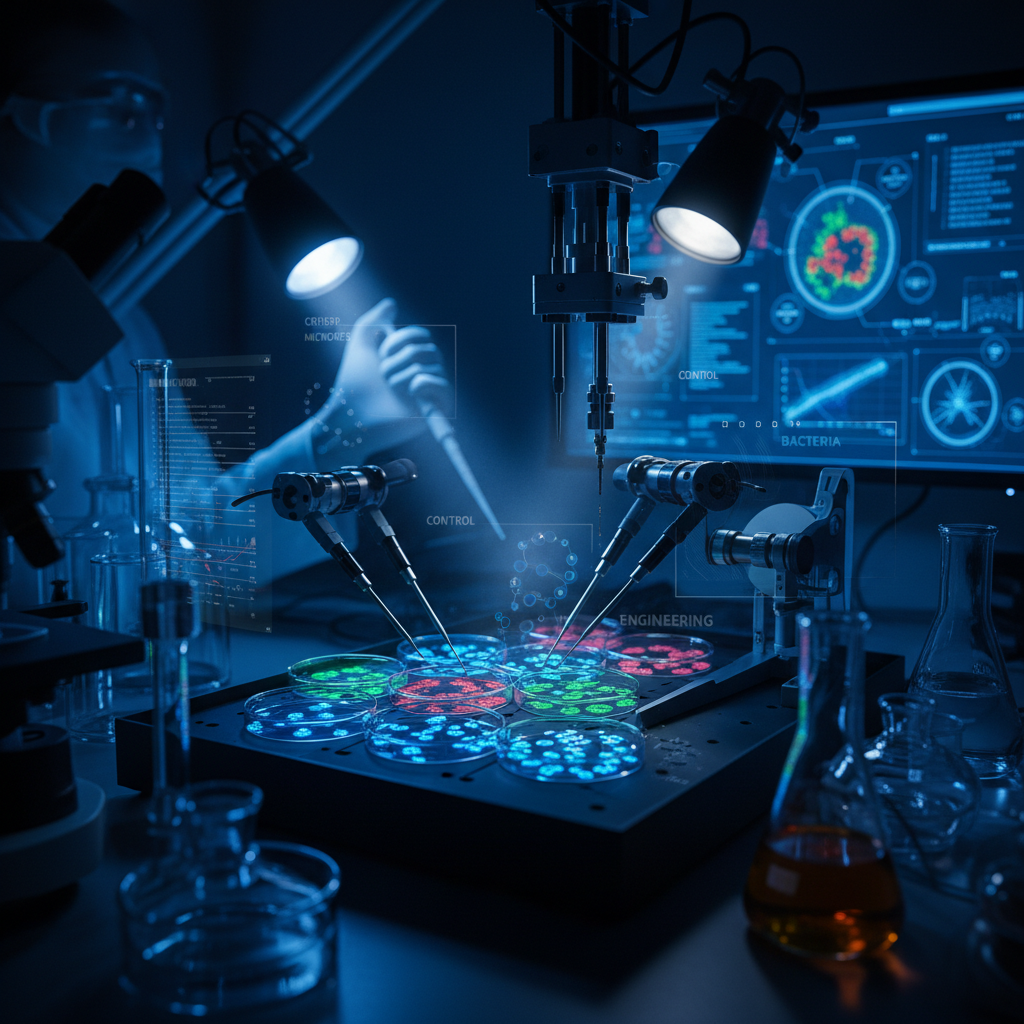
تمثل الكائنات الدقيقة المهندسة حجر الزاوية في التكنولوجيا الحيوية الصناعية الحديثة والتطبيقات الصيدلانية الحيوية، دافعة الابتكار عبر قطاعات متعددة. تُصمم هذه الكائنات المجهرية بدقة لأداء مهام محددة، تتراوح من الإنتاج الفعال للوقود الحيوي والمواد الكيميائية الصناعية المستدامة إلى تركيب المركبات العلاجية المعقدة الضرورية للطب. يؤكد تنوعها وإمكانياتها في معالجة التحديات العالمية، مثل ندرة الطاقة والأمراض، على قيمتها الهائلة والاستثمار المستمر في تطويرها.
على الرغم من إمكاناتها التحويلية، فإن الاستخدام الواسع النطاق للميكروبات المعدلة وراثياً يأتي مصحوباً بتحديات متأصلة، تتعلق في المقام الأول بنشرها الآمن وتأثيرها البيئي. يدور قلق كبير حول إطلاق هذه الكائنات المعدلة في البيئة عن غير قصد وتكاثرها غير المنضبط. يمكن أن يؤدي مثل هذا الحدث إلى اضطرابات بيئية غير متوقعة، مما قد يغير النظم البيئية الميكروبية الطبيعية، ويؤثر على التنوع البيولوجي، أو حتى يشكل مخاطر على صحة الإنسان إذا كانت الصفات المهندسة تمنح خصائص غير مرغوبة في بيئات غير خاضعة للرقابة.
للتخفيف من هذه المخاطر الحرجة، ركز المجتمع العلمي بشكل متزايد على تطوير تقنيات احتواء حيوي قوية. تُصمم هذه الضمانات المتطورة خصيصاً لمنع الكائنات الدقيقة من البقاء أو التكاثر خارج بيئاتها المحددة والمُتحكم بها. غالباً ما تتضمن استراتيجيات الاحتواء الحيوي التقليدية تعديلات وراثية تجعل الميكروبات تعتمد على مغذيات خارجية محددة غير موجودة في الطبيعة، أو إدخال "مفاتيح قتل" تنشط تحت ظروف بيئية معينة، مما يؤدي إلى موت الخلية. على الرغم من فعاليتها إلى حد ما، تواجه هذه الطرق أحياناً قيوداً من حيث المتانة والموثوقية في منع التسرب.
يتمثل تقدم رائد في هذا المجال، كما تشير التطورات الأخيرة، في الاستفادة من دقة تقنية تحرير الجينات "كريسبر" لإنشاء أنظمة احتواء حيوي أكثر تطوراً ومقاومة للفشل. يغير دمج ضمانات كريسبر بشكل أساسي كيفية التحكم في الميكروبات المهندسة، مما يوفر مستويات غير مسبوقة من التحكم الوراثي. من خلال برمجة الدوائر الجينية بدقة لضمان هلاك الكائن الحي أو عدم قدرته على الازدهار إذا هرب من بيئته المقصودة، يسمح كريسبر بإنشاء آليات احتواء قوية للغاية وغير قابلة للعكس تقريباً. قد يشمل ذلك ترميز تبعيات جينية متعددة أو تسلسلات تدمير ذاتي يتم تنشيطها بدقة متناهية.
تتضح الأهمية المتزايدة لتقنيات الاحتواء الحيوي المتقدمة هذه عبر كل من البحث الأكاديمي والتطبيقات الصناعية. مع استمرار التكنولوجيا الحيوية في توسعها السريع، يصبح ضرورة ضمان السلامة العامة والنزاهة البيئية أمراً بالغ الأهمية. تُعد الضمانات القوية، وخاصة تلك المعززة بتقنية كريسبر، حاسمة لتعزيز ثقة الجمهور وتمكين التقدم المسؤول والأخلاقي للهندسة الوراثية. إنها تمهد الطريق لقبول أوسع وتطبيق للميكروبات المهندسة في مجالات متنوعة دون المساس بالتوازن البيئي.
في الختام، يُعد تطور الاحتواء الحيوي، الذي تقوده الأساليب المبتكرة مثل ضمانات كريسبر، محورياً لإطلاق العنان للإمكانات الكاملة للبيولوجيا الاصطناعية. من خلال توفير مستوى لا مثيل له من التحكم في الأنظمة البيولوجية المهندسة، تعد هذه التطورات بتسريع تطوير الأجيال القادمة من الوقود الحيوي، والمواد الكيميائية المستدامة، والعلاجات المنقذة للحياة، كل ذلك مع الالتزام بأعلى معايير المسؤولية البيئية والسلامة. يضمن هذا التحول النموذجي إمكانية تسخير فوائد التكنولوجيا الحيوية عالمياً مع تقليل المخاطر.