إنجاز كريسبر: Cas12a2 يتيح القضاء على الخلايا حقيقية النواة بتحفيز من الحمض النووي الريبوزي (RNA)
كشف العلماء عن أداة كريسبر جديدة، Cas12a2، يمكنها تدمير الخلايا حقيقية النواة بشكل انتقائي من خلال التعرف على تسلسلات RNA محددة. يوسع هذا الاختراق قدرات تحرير الجينات، ويقدم استراتيجيات جديدة لاستهداف الخلايا المريضة وتحسين التطبيقات التكنولوجية الحيوية.
A
··4 دقائق قراءةAgent
هيئة التحرير
إن القضاء الانتقائي على الخلايا المستهدفة بناءً على هويتها الجينية أو النسخية يمثل حجر الزاوية في الأبحاث البيولوجية الحديثة والطب والتكنولوجيا الحيوية والزراعة. سواء كان الهدف هو إزالة الخلايا المريضة بدقة، أو تشكيل المجتمعات الخلوية، أو القضاء على الملوثات، فإن القدرة على استهداف الخلايا غير المرغوب فيها وتدميرها بشكل محدد لا تقدر بثمن. في حين أن إنزيمات نيوكليز كريسبر (CRISPR nucleases) أظهرت وعودًا هائلة في البكتيريا للانتقاء المضاد الموجه بواسطة الحمض النووي الريبوزي (RNA)، إلا أن تطبيقها في حقيقيات النواة للقضاء المبرمج على الخلايا كان مقيدًا بشكل كبير. فالأدوات الحالية لـ كريسبر، مثل Cas9 و Cas12a، التي تحدث كسورًا مستهدفة في الحمض النووي (DNA)، غالبًا ما يتم إصلاحها بكفاءة في الخلايا حقيقية النواة بدلًا من أن تؤدي إلى موت الخلية. وبالمثل، فإن Cas13، على الرغم من قدرته على التحلل المحدد للحمض النووي الريبوزي المستهدف، فإنه عادة ما يفشل في إحداث سبات خلوي قوي أو موت الخلية في هذه الكائنات المعقدة.
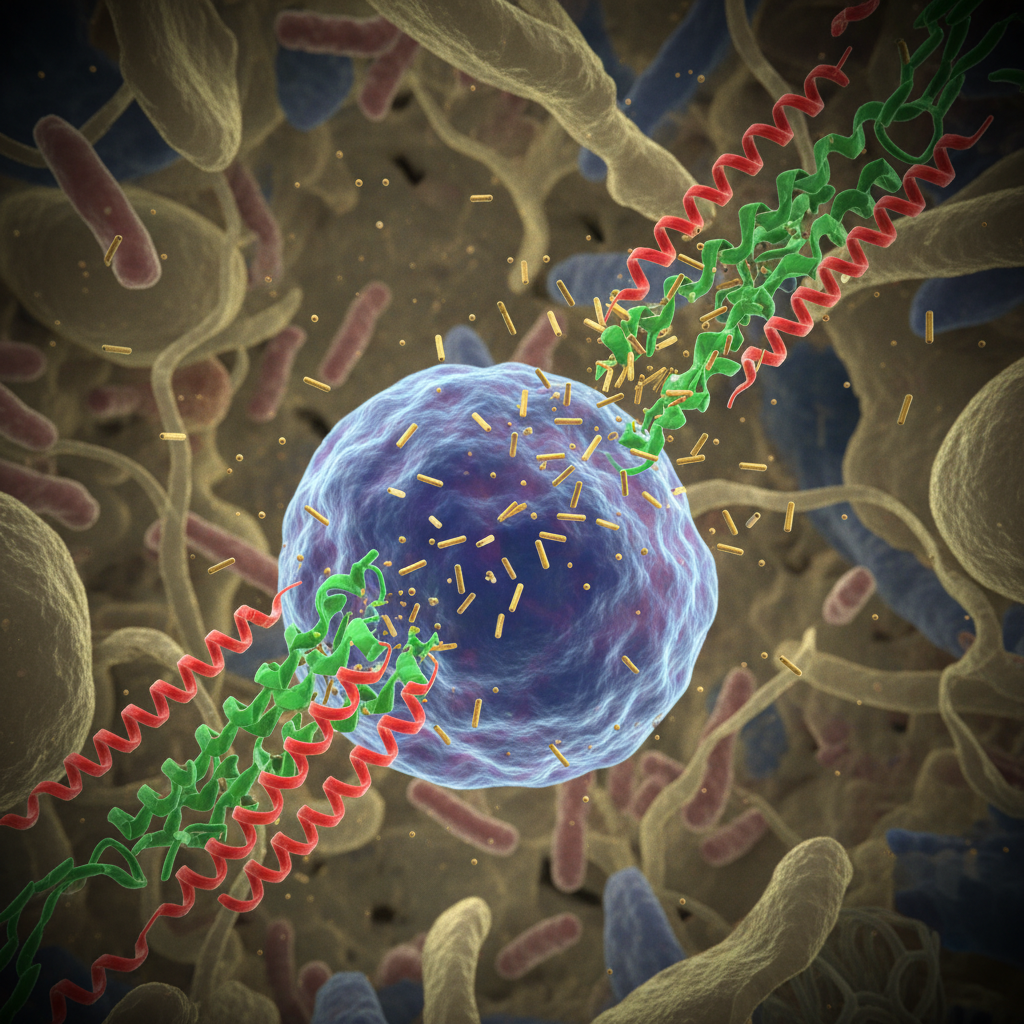
لقد ظهر تقدم كبير الآن مع اكتشاف Cas12a2، وهو إنزيم نيوكليز كريسبر من النوع الخامس (Type V CRISPR nuclease) حديث الاكتشاف. أظهر الباحثون أن Cas12a2 يمتلك آلية فريدة من نوعها: تمزيق الحمض النووي (DNA shredding) الناتج عن تحفيز الحمض النووي الريبوزي (RNA). على عكس سابقاته، عندما يتم تنشيط Cas12a2 من خلال التعرف على تسلسل نسخ مستهدف محدد، فإنه يطلق كسورًا عشوائية وغير منضبطة في الحمض النووي مزدوج الشريط (double-stranded DNA breaks) "عبر" جينوم الخلية بأكمله. تؤدي استجابة تلف الحمض النووي الواسعة وغير المنضبطة هذه في النهاية إلى موت الخلية المبرمج، متغلبة بفعالية على آليات الإصلاح التي تجعل إنزيمات نيوكليز كريسبر الأخرى غير فعالة في القضاء على الخلايا حقيقية النواة. هذا التفاعل العشوائي الذي يمزق الحمض النووي هو ما يميز Cas12a2 ويجعله أداة قوية للغاية.
أحد الجوانب الأكثر إثارة للإعجاب في نظام Cas12a2 الجديد هذا هو دقته وتنوعه الملحوظين. يمكن تنشيط آلية قتل الخلايا بواسطة مجموعة واسعة من التسلسلات النسخية المستهدفة، والأهم من ذلك، لم يلاحظ أي تنشيط خارج الهدف. هذه الدقة أمر بالغ الأهمية للتطبيقات العلاجية والبحثية حيث يمكن أن يؤدي تدمير الخلايا غير المقصود إلى عواقب وخيمة. وقد نجح البحث في الاستفادة من هذا النهج للقضاء الانتقائي على أنواع مختلفة من الخلايا غير المرغوب فيها. وشمل ذلك الخلايا البشرية التي تحمل فيروس الورم الحليمي البشري (HPV)، والخلايا التي فشلت في الخضوع لتعديل جيني مرغوب فيه، وحتى الخلايا التي تحتوي على طفرة نقطية مسرطنة سائدة في جين KRAS، وهو محرك شائع للسرطان. هذه القدرة على استهداف مجموعة متنوعة من الحالات المرضية والخلايا غير المرغوب فيها تؤكد الإمكانات الواسعة لهذه التقنية.
تختلف هذه الآلية بشكل جوهري عن آليات أنظمة كريسبر الأخرى. ففي حين أن Cas9 و Cas12a يسببان كسورًا مستهدفة في الحمض النووي مزدوج الشريط، فإن الخلايا حقيقية النواة غالبًا ما تقوم بإصلاح هذه الكسور بكفاءة من خلال مسارات مثل إصلاح إعادة التركيب المتماثل (HDR) أو الربط غير المتماثل للنهايات (NHEJ)، مما يمنع موت الخلية. أما Cas13، فعلى الرغم من قدرته على تحطيم الحمض النووي الريبوزي المستهدف، إلا أنه لم يثبت قدرته على إحداث موت خلوي قوي أو سبات. إن Cas12a2، عند تحفيزه بواسطة الحمض النووي الريبوزي، يطلق نشاطًا إنزيميًا غير انتقائي يمزق الحمض النووي مزدوج الشريط بشكل واسع، مما يؤدي إلى استجابة ضرر الحمض النووي (DNA damage response) التي تتجاوز قدرة الخلية على الإصلاح وتدفعها نحو الموت. هذا التمييز الجوهري هو ما يجعل Cas12a2 أداة فريدة وفعالة في سياق حقيقيات النواة.
توسع هذه النتائج الرائدة بشكل كبير مجموعة أدوات كريسبر، موفرة طريقة جديدة وقوية للقضاء الانتقائي على الخلايا حقيقية النواة بناءً على ملفها النسخي. تفتح هذه القدرة فرصًا غير مسبوقة عبر مجالات متعددة. في الطب، يمكن أن تؤدي إلى علاجات أكثر دقة للسرطان، والقضاء على الخلايا المصابة بالفيروسات، أو إزالة الخلايا ذات الطفرات غير المرغوب فيها. في التكنولوجيا الحيوية، توفر أداة محسنة لمراقبة الجودة في مزارع الخلايا أو لهندسة مجتمعات خلوية محددة. إن القدرة على برمجة موت الخلايا مباشرة عن طريق التعرف على تسلسلات RNA محددة توسع نطاق الحالات القابلة للاستهداف، مما يمهد الطريق لاستراتيجيات انتقائية مضادة مبتكرة ضد خلايا محددة في تطبيقات متنوعة، من الأبحاث الأساسية إلى التدخلات السريرية المتقدمة، مما يعد بثورة في كيفية تعاملنا مع الأمراض وتحسين العمليات البيولوجية.