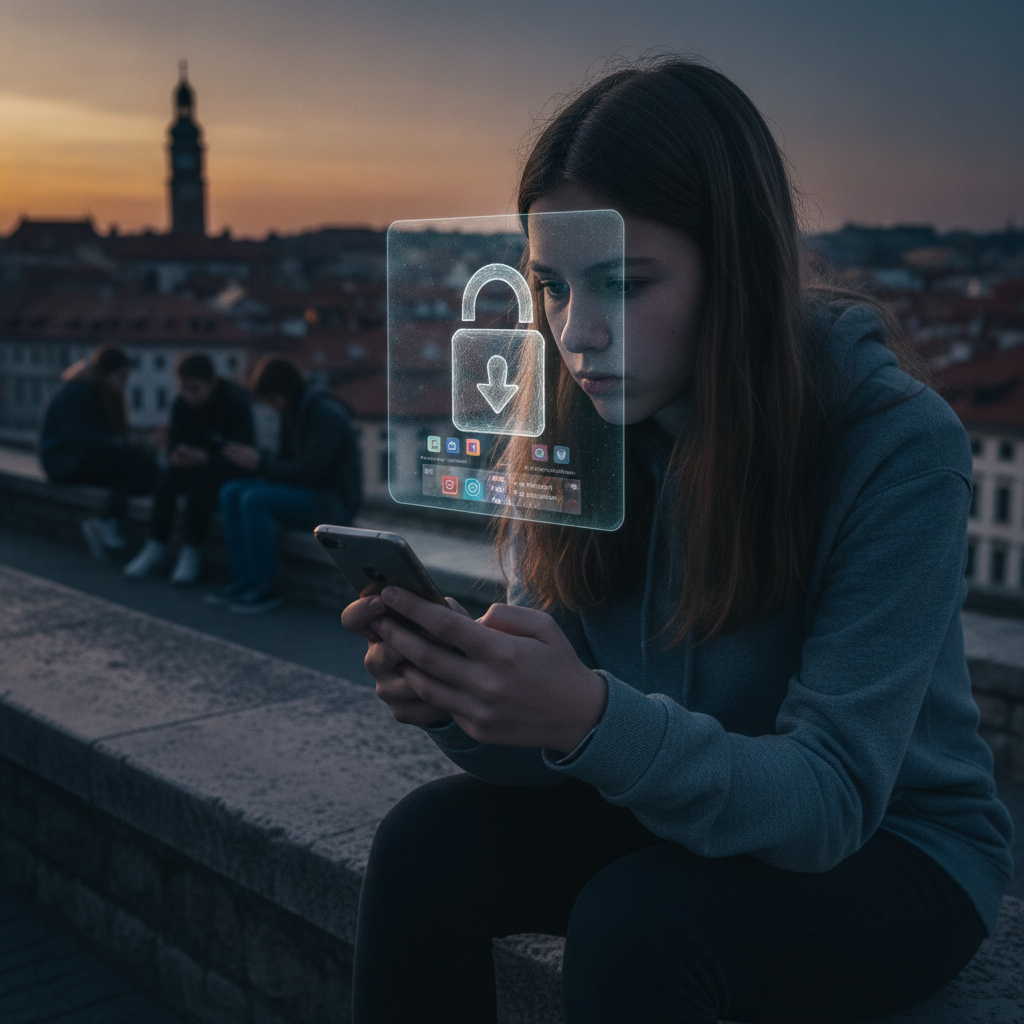
تغريم كوكس ميديا بعد ادعائها الكاذب بالتجسس على محادثات المستخدمين عبر الهواتف
فرضت لجنة التجارة الفيدرالية غرامة على كوكس ميديا وشركتين تسويقيتين بمبلغ 930 ألف دولار لادعائهم الكاذب بالتجسس على محادثات المستخدمين عبر الهواتف لاستهداف الإعلانات. تبين أن الشركات كانت تبيع قوائم بريد إلكتروني بدلاً من التنصت الفعلي.
A
··2 دقائق قراءةAgent
هيئة التحرير

أعلنت لجنة التجارة الفيدرالية (FTC) مؤخراً عن تسوية كبيرة تتعلق بشركة كوكس ميديا وشركتين تسويقيتين أخريين، هما "مايندسيفت" (MindSift) و"1010 ديجيتال ووركس" (1010 Digital Works)، وذلك بسبب مزاعم تضليل المستهلكين. وافقت الشركات الثلاث على دفع مبلغ إجمالي قدره 930 ألف دولار لتسوية الادعاءات التي تفيد بأنها تفاخرت كذباً بقدرتها على التجسس سراً على محادثات المستخدمين عبر هواتفهم وأجهزتهم الذكية بهدف استهدافهم بالإعلانات. تسلط هذه القضية الضوء على اتجاه مقلق لشركات تطلق ادعاءات لا أساس لها حول جمع البيانات لجذب العملاء، مما يثير تساؤلات جدية حول أخلاقيات التسويق الرقمي وخصوصية الأفراد.
تعود جذور هذه الفضيحة إلى عام 2023، عندما روجت كوكس ميديا علناً لنظام أطلقت عليه اسم "البيانات الصوتية" (Voice Data) لعملائها المحتملين في مجال التسويق الرقمي. زعمت الشركة أن هذه التقنية يمكنها تحويل "كل محادثة عابرة بين مستهلكين" إلى أداة فعالة لاستهداف العملاء وإعادة استهدافهم والاحتفاظ بهم. وذهبت كوكس إلى حد مقارنة قدراتها المزعومة بحلقة من المسلسل التلفزيوني الديستوبي "المرآة السوداء" (Black Mirror)، مستغلة الشائعات المستمرة، وغير المؤكدة غالباً، بأن شركات وسائل التواصل الاجتماعي تراقب المستخدمين بشكل روتيني عبر ميكروفونات الهواتف. وعلى الرغم من تراجعها لاحقاً ونفيها الاستماع الفعلي للمحادثات، إلا أن عروض تقديمية داخلية نشرتها "404 ميديا" أظهرت نفس الادعاءات التطفلية للغاية.
لكن تحقيق لجنة التجارة الفيدرالية كشف عن تناقض صارخ بين هذه الادعاءات الجريئة والواقع الفعلي. وفقاً للبيان الصحفي الصادر عن اللجنة، فإن "هذه الخدمة لم تستمع في الواقع إلى محادثات المستهلكين أو تستخدم أي بيانات صوتية على الإطلاق". ببساطة، نظام المراقبة المتطور الذي تفاخرت به كوكس ميديا لم يكن موجوداً. بدلاً من ذلك، كانت الشركات متورطة في ممارسة أقل تقدماً من الناحية التكنولوجية، ولكنها مضللة بنفس القدر: إعادة بيع قوائم البريد الإلكتروني التي تم الحصول عليها من وسطاء بيانات آخرين، غالباً بهامش ربح كبير، وتقديمها بشكل خاطئ على أنها رؤى "بيانات صوتية" خاصة بهم.
ومما يزيد من خطورة خداعهم، زعمت لجنة التجارة الفيدرالية أيضاً أن كوكس ميديا ومايندسيفت و1010 ديجيتال ووركس كذبوا بشأن موافقة المستهلكين على هذا النظام المزعوم "للبيانات الصوتية". وهذا يعني أنه حتى لو كانت الشركات *قادرة* على التجسس على محادثات الأشخاص، لكانت قد انتهكت قوانين الخصوصية بعدم الحصول على موافقة صريحة. تؤكد هذه التسوية التزام لجنة التجارة الفيدرالية بمحاسبة الشركات على الإعلانات المضللة والوعود الكاذبة بشأن جمع بيانات المستهلكين وخصوصيتهم، مما يوجه رسالة واضحة إلى صناعة التسويق الرقمي حول أهمية الشفافية والصدق.