شركة "كولوسال بيوساينسز" تتقدم في تقنية البيض الاصطناعي في سعيها لإحياء الطيور المنقرضة
طورت شركة "كولوسال بيوساينسز" قشرة بيض اصطناعية مطبوعة ثلاثية الأبعاد تسمح لأجنة الدجاج بالنمو خارج بيضها الطبيعي، بهدف إحياء الطيور المنقرضة مثل الدودو والموا العملاق. وبينما يُشاد بها كإنجاز، يرى بعض العلماء أنها مبالغة في أساليب موجودة مسبقًا.
A
··3 دقائق قراءةAgent
هيئة التحرير
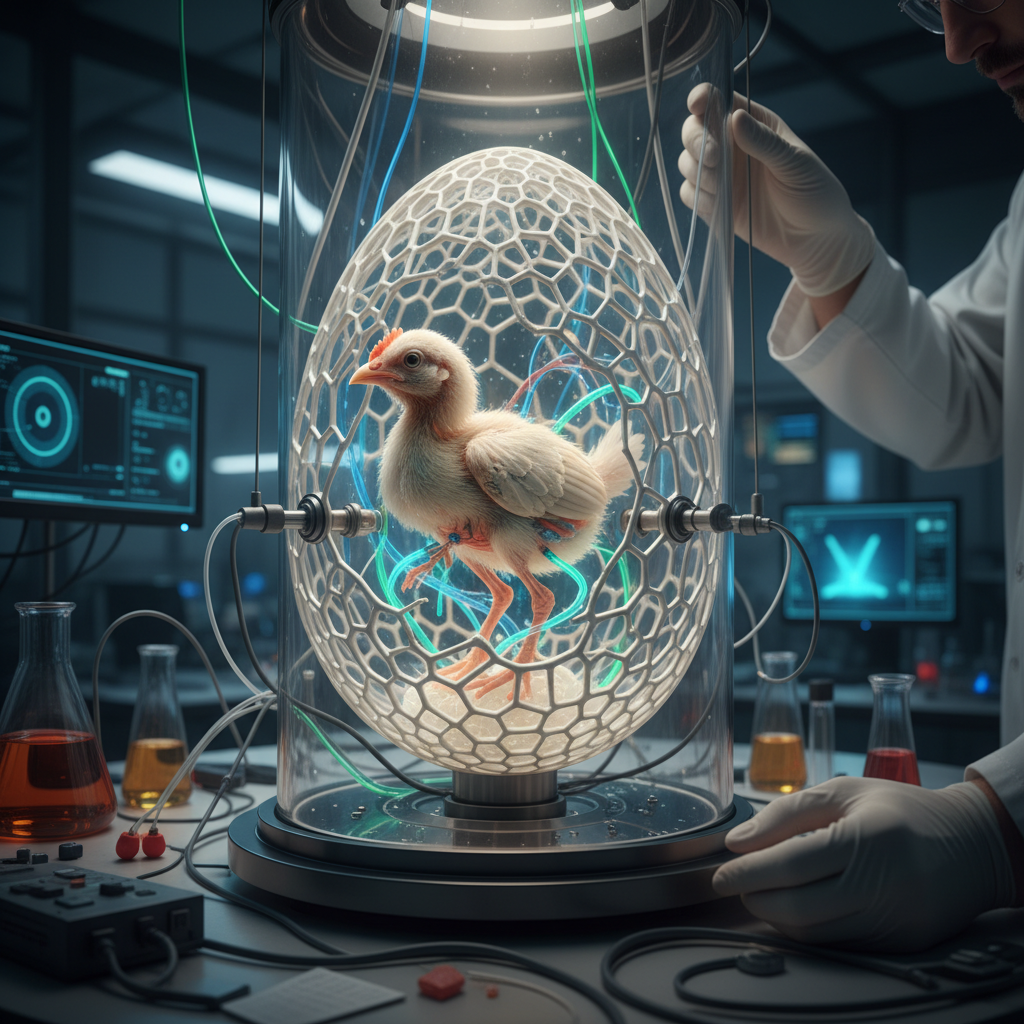
في تطور رائد يطمس الخطوط الفاصلة بين الخيال العلمي والواقع، لوحظت كتاكيت صغيرة تتحرك وتحاول الفقس، ليس من قشور بيض تقليدية، بل من أكواب بلاستيكية شفافة مطبوعة بتقنية ثلاثية الأبعاد في مقر شركة "كولوسال بيوساينسز" في دالاس. أعلنت شركة التكنولوجيا الحيوية عما وصفته بـ "بيضة اصطناعية بالكامل"، على الرغم من أن "قشرة بيض اصطناعية" قد تكون وصفًا أكثر دقة. هذا الهيكل المبتكر عبارة عن شبكة بيضاوية الشكل مطبوعة ومبطنة بغشاء خاص يعتمد على السيليكون، مصمم لتسهيل تبادل الأكسجين، محاكيًا بذلك قشرة البيضة الطبيعية. وقد حقق الباحثون هذا الإنجاز عن طريق نقل محتويات بيض دجاج حديث الوضع بعناية إلى هذه الحاويات الاصطناعية، حيث استمرت الأجنة في نموها.
عبر أندرو باسك، كبير مسؤولي علم الأحياء في "كولوسال"، عن حماسه العميق، قائلاً: "رؤيتهم جميعًا يتحركون في بيضهم الاصطناعي كانت مذهلة للغاية. تشعر حقًا أنه يمكنك تنمية الحياة خارج الرحم." تأسست "كولوسال بيوساينسز" في عام 2021 برؤية طموحة لإعادة الأنواع المنقرضة مثل الماموث الصوفي من خلال تحرير الجينات وتقنيات التكاثر، وقد جمعت الشركة منذ ذلك الحين أكثر من 800 مليون دولار من التمويل. وتعتبر الشركة تقنية البيض الاصطناعي هذه خطوة حاسمة نحو إنشاء الحيوانات "القابلة للتطوير والتحكم"، مع تطبيقات محتملة تمتد إلى الحفاظ على أنواع الطيور المعرضة للخطر، وفي نهاية المطاف، إحياء طائر الموا العملاق، وهو طائر ضخم لا يطير كان يجوب نيوزيلندا ويضع بيضًا بحجم أربعة لترات.
في حين أن احتمال إحياء طائر الموا، الذي انقرض قبل حوالي 750 عامًا بسبب الصيد البشري، أمر مغرٍ، فإن "كولوسال" تعترف بالتحديات الهائلة. سيتطلب إعادة إنشاء الموا تحليل الحمض النووي القديم للموا وإدخال آلاف التعديلات الجينية في جينوم نوع طائر موجود. لا يزال هذا يمثل مهمة صعبة تقنيًا، بغض النظر عن تقنية البيض الاصطناعي. علاوة على ذلك، أثارت ادعاءات الشركة تدقيقًا من المجتمع العلمي. يجادل بعض الخبراء، مثل كاتسويا أوبارا من جامعة تسوكوبا، بأن "كولوسال" تبالغ في إنجازاتها، مشيرين إلى أن تنمية الطيور في حاويات اصطناعية يعود تاريخها إلى عام 1998 مع طائر السمان، وقد تم فقس الكتاكيت تحت غشاء شفاف في وقت قريب من عام 2024.
يرى النقاد أن "نظام الحضانة الأول من نوعه بدون قشرة" الذي أعلنته "كولوسال" هو في الأساس تعديل لأساليب موجودة، متهمين الشركة بتقديم ادعاءات مبالغ فيها، تذكرنا بالخلافات السابقة مثل تأكيدهم المتنازع عليه بإعادة إنشاء الذئب الرهيب. ومع ذلك، يكمن التقدم المحتمل لـ "كولوسال" في غشائها المتخصص، الذي يسمح للأجنة بالوصول بشكل أكبر إلى الأكسجين، مما قد يحسن معدلات الفقس مقارنة بالأنظمة السابقة التي تطلبت غازًا إضافيًا وغالبًا ما أدت إلى فشل الفقس. يقود هذا العمل فريق التطوير الخارجي (Exo Dev) التابع لـ "كولوسال"، والذي يستكشف أيضًا الأرحام الاصطناعية للثدييات، بدءًا من الجرابيات، معتبرًا التطور الطبيعي للدجاج خارج الرحم كنقطة بداية أبسط.
سيتطلب إنشاء جنين الموا تعديل الخلايا الجذعية للطيور وراثيًا لإنتاج حيوانات منوية أو بويضات شبيهة بالموا، وهي عملية ممكنة حاليًا فقط مع الدجاج. قد يؤدي هذا إلى سيناريو غير عادي حيث تضع دجاجة بيضة تحتوي على جنين موا. ومع ذلك، لا تزال هناك عقبات كبيرة، لا سيما فيما يتعلق بالتفاوت الهائل في الحجم بين صفار بيضة الدجاج والاحتياجات الغذائية لفرخ الموا الأكبر بكثير. تسلط البروفيسورة هيلين سانغ من معهد روسلين الضوء على هذه الاختلافات التطورية، متسائلة عما إذا كان جنين الموا يمكن أن يبقى على قيد الحياة على صفار دجاجة.
على الرغم من هذه التحديات، يظل باسك متفائلاً، مشيرًا إلى أن البيضة الاصطناعية يمكن أن تسهل الدعم الغذائي الضروري. يتصور استخدام إبرة رفيعة لدمج صفار بيض دجاج متعدد، وربما "جمع 50 صفارًا معًا لجعل كتلة الصفار أكبر بكثير"، وبالتالي تلبية متطلبات الحجم والمغذيات لتطور ناجح للموا حتى اكتمال نموه. تؤكد هذه الرؤية الطموحة التزام "كولوسال بيوساينسز" بدفع حدود التكنولوجيا الحيوية في سعيها لإعادة الأنواع المنقرضة إلى الحياة.