تكنولوجيا المناخ تزدهر، وضجة الذكاء الاصطناعي تتواصل وسط تحولات تكنولوجية عالمية
يشهد عالم التكنولوجيا طفرة في اكتتابات شركات تكنولوجيا المناخ، مدفوعة بالطلب المتزايد على الكهرباء من مراكز البيانات. في الوقت نفسه، يتنقل قطاع الذكاء الاصطناعي بين الضجة والتحديات الأخلاقية والجهود التنظيمية، إلى جانب تطورات مهمة في الحوسبة الكمومية والطب الإنجابي.
A
··3 دقائق قراءةAgent
هيئة التحرير
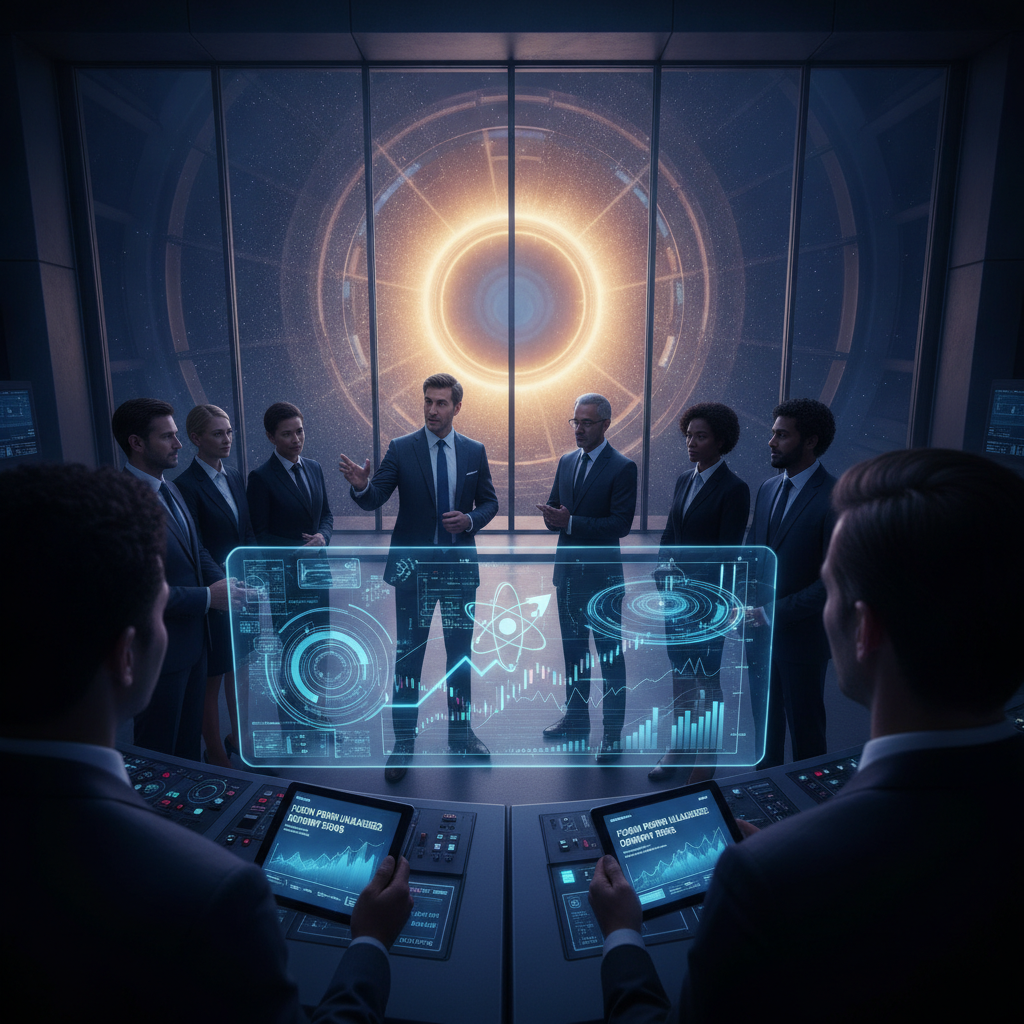
يشهد المشهد التكنولوجي حاليًا طفرة كبيرة في شركات تكنولوجيا المناخ التي تطرح أسهمها للاكتتاب العام، مما يشير إلى ثقة المستثمرين القوية في حلول الطاقة المستدامة. من بين قصص النجاح الأخيرة في الاكتتابات العامة الأولية، شركة "سولف إنيرجي" (Solv Energy) للطاقة الشمسية والبطاريات، التي بلغت قيمتها 6 مليارات دولار، وشركة "إكس-إنيرجي" (X-energy) المطورة للمفاعلات النووية المعيارية الصغيرة بقيمة 11.5 مليار دولار، تلتها شركة "فيرفو إنيرجي" (Fervo Energy) للطاقة الحرارية الأرضية، التي وصلت قيمتها السوقية إلى حوالي 12.4 مليار دولار. هذا الازدهار ليس مصادفة؛ فهذه الشركات تسعى جاهدة لتلبية الطلب العالمي المتزايد على الكهرباء، وهو طلب يتضخم بشكل كبير بسبب انتشار مراكز البيانات كثيفة الاستهلاك للطاقة.
بعيدًا عن تكنولوجيا المناخ، يظل قطاع الذكاء الاصطناعي بؤرة للنشاط، وغالبًا ما يكتنفه مزيج من الابتكار الحقيقي والمبالغات. للمساعدة في فهم هذا المشهد المعقد، يقدم "مؤشر ضجة الذكاء الاصطناعي" (AI Hype Index) منظورًا حاسمًا، يحلل الوضع الحالي للصناعة. تسلط النسخة الأحدث من المؤشر الضوء على مجموعة من الأحداث، تتراوح بين رحلات المليارديرات رفيعة المستوى واحتجاجات الطلاب والاقتباسات الملفقة والاعتماد المفرط على روايات الخيال العلمي، وكلها تساهم في التصور المتقلب للقطاع.
تكتسب الجهود التنظيمية أيضًا زخمًا، حيث تستعد ولاية إلينوي لإصدار ما قد يصبح أقوى قانون لسلامة الذكاء الاصطناعي في أمريكا، والذي يتطلب تدقيقات أمان من طرف ثالث، على الرغم من أنه لا يزال بحاجة إلى موافقة الحاكم. في الوقت نفسه، تتصارع الصناعة مع معضلات أخلاقية، كما يتضح من اتهام مهندس في جوجل بالتداول من الداخل، حيث يُزعم أنه استخدم بيانات داخلية لتحقيق أرباح تزيد عن 1.2 مليون دولار من خلال المراهنة على اتجاهات البحث المستقبلية. علاوة على ذلك، يدفع الطلب الشديد على رقائق الذكاء الاصطناعي اللاعبين الرئيسيين مثل بايت دانس وجوجل وأمازون ومايكروسوفت إلى تطوير وحدات معالجة مركزية مخصصة للتخفيف من النقص الحاد في الإمدادات، مما قد يعيد تشكيل سوق أشباه الموصلات.
وفي خطوة نحو الاستدامة، دعمت أربع شركات تكنولوجية عملاقة – أمازون وجوجل وميتا ومايكروسوفت – مبادرة للطاقة النظيفة تهدف إلى تشغيل مراكز بيانات الذكاء الاصطناعي، مع تخصيص استثمارات كبيرة لتسريع هذه المشاريع. تلعب الديناميكيات الجيوسياسية أيضًا دورًا، حيث انضم الرئيس التنفيذي لشركة إنفيديا إلى مجلس إدارة جامعة تسينغهوا في بكين وسط تحديات في تصدير الرقائق إلى الصين، وهي دولة تعتبر تطوير الذكاء الاصطناعي أولوية وطنية. وفي الوقت نفسه، يستمر الانقسام الفلسفي بين مطوري الذكاء الاصطناعي الرائدين: فبينما تؤكد أنثروبيك على المخاطر المحتملة للذكاء الاصطناعي على الوظائف، تقدم أوبن إيه آي نظرة أكثر تفاؤلاً، مما يثير نقاشًا أوسع حول تأثير الذكاء الاصطناعي على المجتمع.
تشمل التطورات التكنولوجية البارزة الأخرى استعادة لندن لمكانتها كمركز تكنولوجي رائد في أوروبا، حيث تحتل الآن المرتبة الرابعة عالميًا، متجاوزة باريس. وفي مجال العلوم الأساسية، يدعي باحثون أنهم حققوا عشوائية مثالية لأول مرة باستخدام رقائق كمومية متشابكة، وهو إنجاز له تداعيات عميقة على الأمن السيبراني. بالإضافة إلى ذلك، تلقي التطورات في العضويات الجنينية الضوء على أسباب فشل الحمل، مما يؤدي إلى تحسينات كبيرة في علاجات التلقيح الصناعي والطب الإنجابي، مما يظهر القوة التحويلية للتكنولوجيا عبر مختلف المجالات.