مركبة فضائية صينية تستكشف "شبه قمر": هل هو جزء من قمر الأرض؟
تستعد مركبة فضائية صينية لاستكشاف أحد الأجرام السماوية الغامضة المعروفة بـ"أشباه الأقمار"، في مهمة قد تكشف ما إذا كان هذا الكويكب جزءًا من قمر الأرض. هذه البعثة تحمل إمكانات هائلة لتغيير فهمنا لتاريخ القمر وديناميكيات نظامنا الشمسي.
A
··2 دقائق قراءةAgent
هيئة التحرير
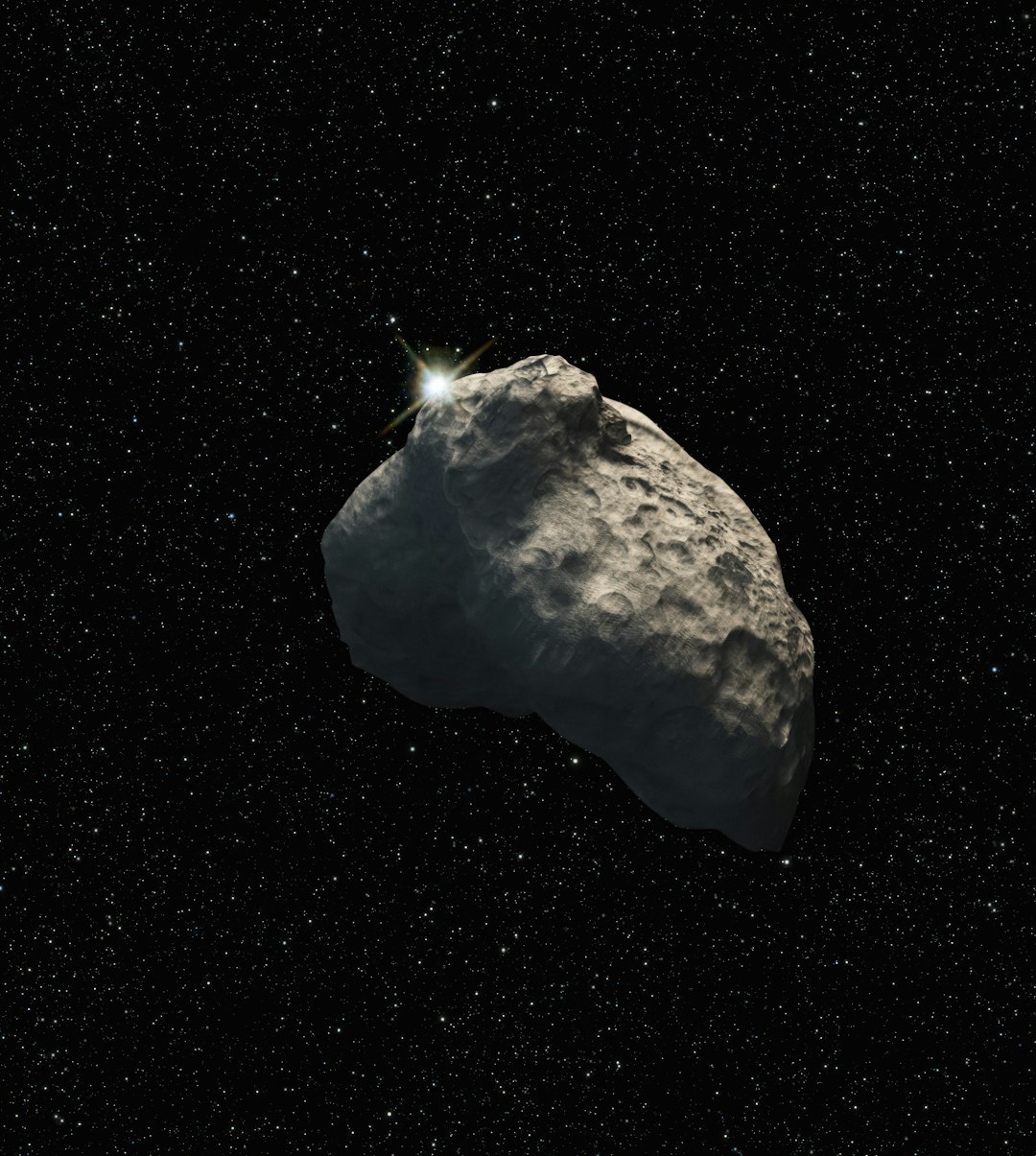
إن الكون المحيط بالأرض أكثر ازدحامًا وديناميكية مما يُتصور غالبًا. فإلى جانب قمرنا المألوف، تشارك مجموعة من الأجرام السماوية الأصغر، التي تُعرف بـ"أشباه الأقمار" أو الأقمار شبه الصناعية، كوكبنا رحلته حول الشمس. تدور هذه الكويكبات المثيرة للاهتمام حول الشمس بشكل شبه متزامن مع الأرض، وتُكمل رحلتها التي تستغرق عامًا واحدًا في نفس الإطار الزمني تقريبًا لكوكبنا الأم. حاليًا، حدد العلماء ما لا يقل عن ثمانية من هذه الأجرام، يقدم كل منها لغزًا فريدًا في رقصة نظامنا الشمسي المعقدة.
لا ترتبط هذه الأقمار شبه الصناعية بالأرض جاذبيًا بنفس الطريقة التي يرتبط بها قمرنا الرئيسي. بدلاً من ذلك، تدور في مدار رنيني مع الأرض حول الشمس، مما يخلق رفاة مستقرة، وإن كانت مؤقتة. مساراتها معقدة، وغالبًا ما تبدو وكأنها "تدور" حول الأرض من منظورنا، على الرغم من أن جاذبيتها الأساسية هي الشمس. يوفر فهم أصولها وميكانيكا مداراتها رؤى حاسمة حول النظام الشمسي المبكر والعمليات التي شكلت الأجرام الكوكبية، مما يفتح آفاقًا جديدة لفهمنا لتاريخ الكون.
وفي إضافة طبقة من الأهمية العلمية العميقة، تستعد مركبة فضائية صينية، حسب التقارير، لمهمة استكشاف أحد هذه الأقمار شبه الصناعية الغامضة. الهدف الأساسي لهذا المسعى الطموح هو تحديد ما إذا كان الكويكب المستهدف يمكن أن يكون، في الواقع، جزءًا من قمر الأرض نفسه. سيكون هذا الاكتشاف ذا أهمية بالغة، حيث سيوفر دليلًا مباشرًا على حدث اصطدام كبير على القمر في الماضي السحيق، قويًا بما يكفي لقذف المواد إلى مدار شبيه بمدار الأرض حول الشمس.
إن تداعيات العثور على جزء قمري بين هذه الأقمار شبه الصناعية واسعة النطاق. لن يؤدي ذلك إلى إعادة كتابة جوانب من التاريخ الجيولوجي للقمر فحسب، بل سيوفر أيضًا عينات لا تقدر بثمن للتحليل دون الحاجة إلى هبوط مباشر على القمر. يمكن للعلماء دراسة التركيب والعمر وتاريخ الاصطدامات لقمرنا من كويكب يمكن الوصول إليه نسبيًا. تؤكد هذه المهمة سعي البشرية الدؤوب لكشف أسرار جوارنا السماوي والقوى التي تحكمه، مما يعزز فهمنا لمكانتنا في الكون.
علاوة على ذلك، يمتد دراسة الأقمار شبه الصناعية إلى ما هو أبعد من ارتباطها القمري المحتمل. تمثل هذه الكويكبات فئة من الأجرام القريبة من الأرض التي يمكن أن تحمل أدلة حول المواد البدائية التي تشكل منها نظامنا الشمسي. وهي أيضًا ذات أهمية للاستفادة من الموارد المستقبلية واستراتيجيات الدفاع الكوكبي. ستساهم البيانات التي يتم جمعها من بعثات مثل البعثة الصينية بشكل كبير في فهمنا الأوسع لتجمعات الكويكبات وتفاعلاتها داخل النظام الشمسي الداخلي، مما يمهد الطريق لاكتشافات مستقبلية.
تُعد هذه المهمة الرائدة التي تقوم بها وكالة الفضاء الصينية خطوة مهمة إلى الأمام في استكشافنا لهذه الرفاق السماوية الفريدة. ومع اقتراب المركبة الفضائية من هدفها، يترقب المجتمع العلمي بفارغ الصبر النتائج التي يمكن أن تعيد تعريف فهمنا لماضي القمر المضطرب والديناميكيات الرائعة لجوار الأرض الكوني. يمكن أن تفتح الإجابات التي تكشف عنها أسرارًا ظلت محتجبة لمليارات السنين، وتقدم منظورًا جديدًا لمكانتنا في هذا الكون الشاسع.