ضغوط صينية تُجبر على إلغاء أكبر مؤتمر عالمي لحقوق الإنسان الرقمية
أُلغي مؤتمر "رايتسكون" العالمي لحقوق الإنسان الرقمية لعام 2026 بسبب ضغوط مزعومة من الحكومة الصينية على زامبيا، وذلك على خلفية مشاركة مجموعات المجتمع المدني التايوانية. يسلط هذا الحادث الضوء على تنامي نفوذ بكين ومحاولاتها للحد من حرية التعبير في الفعاليات الدولية.
A
··2 دقائق قراءةAgent
هيئة التحرير
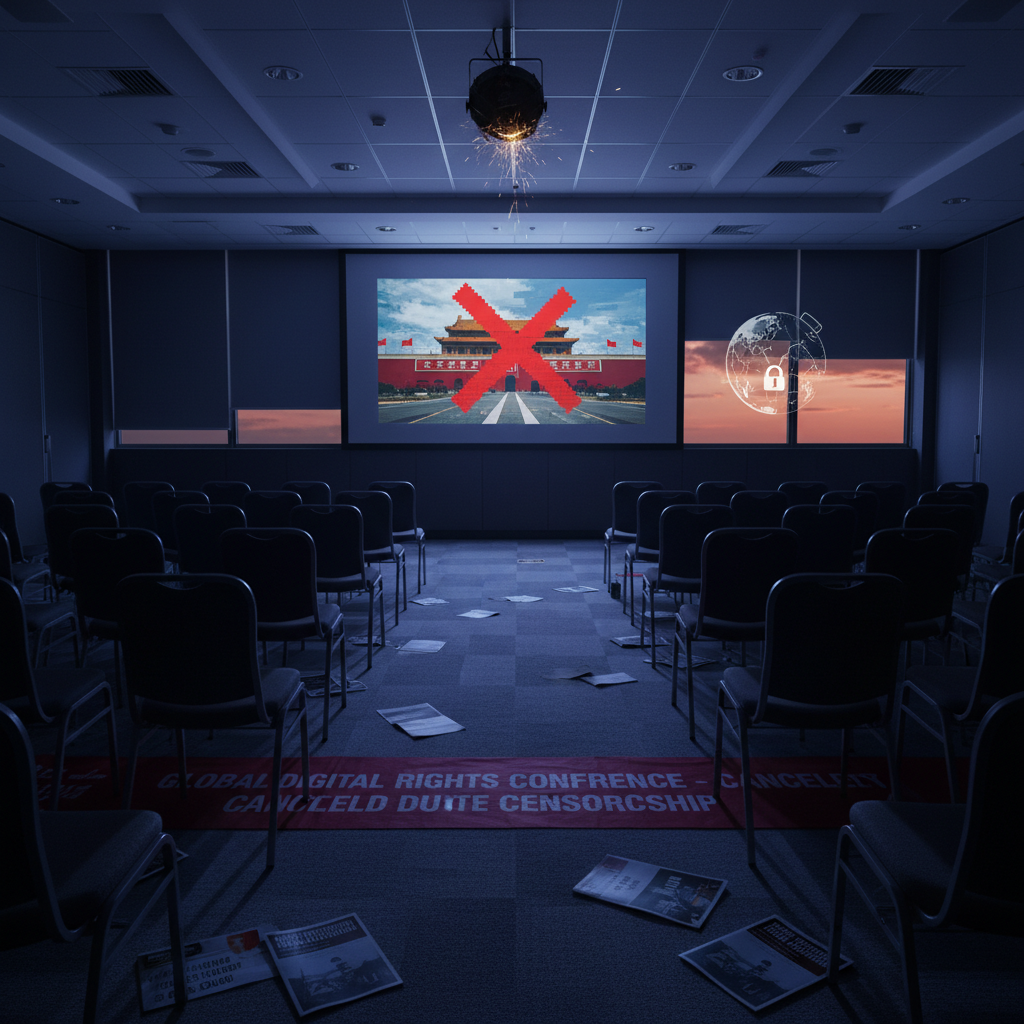
أُلغي مؤتمر "رايتسكون" (RightsCon)، وهو أكبر مؤتمر عالمي لحقوق الإنسان الرقمية، لعام 2026 بشكل مفاجئ، حيث أشارت منظمته، وهي منظمة "أكسس ناو" غير الربحية، إلى ضغوط مباشرة من الحكومة الصينية. يأتي هذا الإلغاء، الذي أعلنت عنه الحكومة الزامبية في البداية كتأجيل، نتيجة مباشرة لمشاركة مجموعات المجتمع المدني التايوانية المخطط لها حضورياً، وهو ما عارضته بكين بشدة، مما يثير تساؤلات جدية حول حرية التعبير والتجمع في الفضاء الرقمي العالمي.
وفقاً لـ "أكسس ناو"، مارس دبلوماسيون من جمهورية الصين الشعبية (PRC) ضغوطاً كبيرة على الحكومة الزامبية. وأوضحت المنظمة أنها تلقت معلومات "بشكل غير رسمي من مصادر متعددة" تفيد بأنه لكي يستمر مؤتمر رايتسكون، سيتعين عليهم "تعديل مواضيع محددة واستبعاد المجتمعات المعرضة للخطر، بما في ذلك المشاركون التايوانيون، من المشاركة حضورياً وعبر الإنترنت". وهذا يؤكد محاولة واضحة لإملاء أجندة المؤتمر وقائمة المشاركين، مما يقوّض المبادئ الأساسية للمؤتمرات الدولية وحرية النقاش.
كان من المقرر أن يتضمن مؤتمر رايتسكون 2026 مناقشات حيوية حول تأثير الصين الدولي، بما في ذلك كيفية تصدير بكين للاستبداد الرقمي ونشر المعلومات المضللة في مناطق مثل إفريقيا، بالإضافة إلى مناقشات حول الهجمات السيبرانية الصينية والانتشار العالمي لتقنياتها الرقابية والمراقبة. وقبل أسبوع من الموعد المقرر للمؤتمر في لوساكا بزامبيا، أعلنت الحكومة الزامبية فجأة عن تأجيله إلى أجل غير مسمى، مشيرة إلى أن بعض "المتحدثين والمشاركين لا يزالون يخضعون لتصاريح إدارية وأمنية معلقة"، وهو ما أكده وزير الإعلام والإعلام الزامبي لاحقاً، مضيفاً أن التأجيل كان ضرورياً للكشف الشامل عن المعلومات الهامة المتعلقة بالقضايا المطروحة.
أكدت أرزو غيبولا، المديرة التنفيذية المشاركة لـ "أكسس ناو"، أن "العديد من المعلومات التي تلقيناها أشارت إلى أن التدخل الأجنبي من قبل جمهورية الصين الشعبية لعب دوراً في التعطيل المفاجئ لـ رايتسكون 2026". وأشارت إلى أنه قبل يومين من إعلان زامبيا، علمت "أكسس ناو" باهتمام الصين بمشاركة تايوان وجهودها للتأثير على نهج الحكومة الزامبية. وقد أكدت مؤسسة الثقافة المفتوحة، وهي منظمة تايوانية غير ربحية، هذا الأمر، حيث تم تحذيرها من قبل "أكسس ناو" بشأن المشاكل المحتملة لدخول المواطنين التايوانيين إلى زامبيا، مما يبرز حجم الضغوط الدبلوماسية.
لا يقتصر تأثير هذا الحادث على مؤتمر رايتسكون فحسب، بل امتد ليشمل مؤتمر اليوم العالمي لحرية الصحافة، الذي كان من المقرر عقده أيضاً في لوساكا، حيث تم نقل معظم فعالياته إلى باريس أو عبر الإنترنت. وعلى الرغم من أن مؤتمر رايتسكون يُعقد منذ عام 2011، ويجمع الآلاف لمناقشة قضايا الرقابة والمراقبة وحقوق الإنسان على الإنترنت، وقد استضاف نسخته لعام 2025 في تايبيه بتايوان، إلا أن غيبولا أكدت أن هذه هي المرة الأولى التي تواجه فيها المنظمة مثل هذه الضغوط الصريحة من الحكومة الصينية. وقد علق الناشط الحقوقي صموئيل تشو على المشهد الدولي المتغير، مشيراً إلى أن الصين تشعر الآن بالقدرة على تعطيل مؤتمرات واسعة النطاق دون رد فعل عالمي كبير، مما ينذر بمستقبل مقلق لحرية الفضاء الرقمي.