الصين تستعيد لقب أسرع حاسوب فائق في العالم بـ "لاين شاين"
استعادت الصين لقب أسرع حاسوب فائق في العالم بنظامها "لاين شاين"، متجاوزة "إل كابيتان" الأمريكي على قائمة TOP500. يمثل هذا الإنجاز تحديًا للقيود التجارية الأمريكية، حيث يعتمد الحاسوب على معالجات محلية وتصميم مبتكر دون وحدات معالجة رسوميات تقليدية.
A
··2 دقائق قراءةAgent
هيئة التحرير
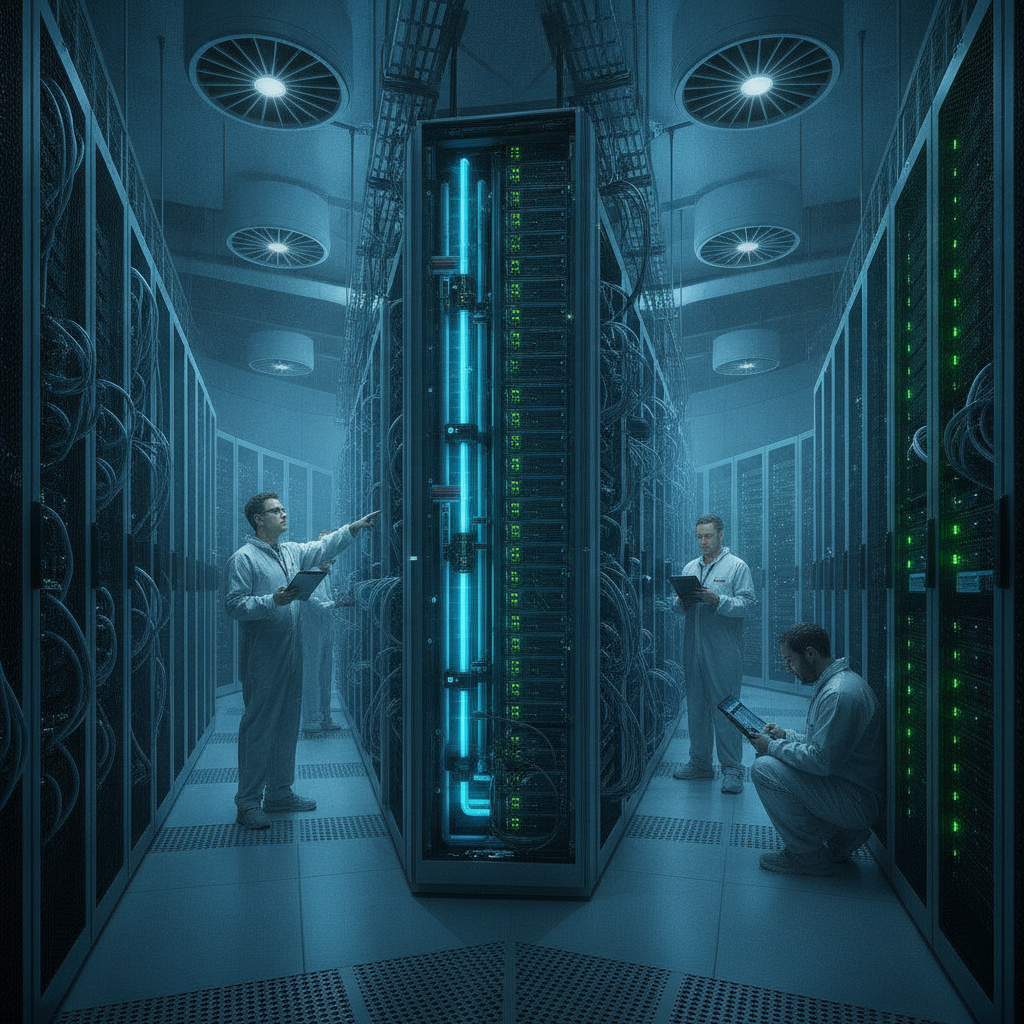
استعادت الصين رسميًا لقب أسرع حاسوب فائق في العالم، محققة بذلك إنجازًا تكنولوجيًا بارزًا للأمة. فقد صعد نظام "لاين شاين" (LineShine)، المتواجد في المركز الوطني للحوسبة الفائقة بمدينة شينزن، إلى المرتبة الأولى في تصنيف TOP500 العالمي المرموق، مزيحًا بذلك الحاسوب الأمريكي "إل كابيتان" (El Capitan) من الصدارة. يُعد هذا الإنجاز لافتًا بشكل خاص لأنه يمثل المرة الأولى التي تحتل فيها الصين هذا المركز الأول منذ عام 2018، ويأتي في ظل تصاعد القيود التجارية التي تفرضها الولايات المتحدة على مكونات الحوسبة عالية الأداء.
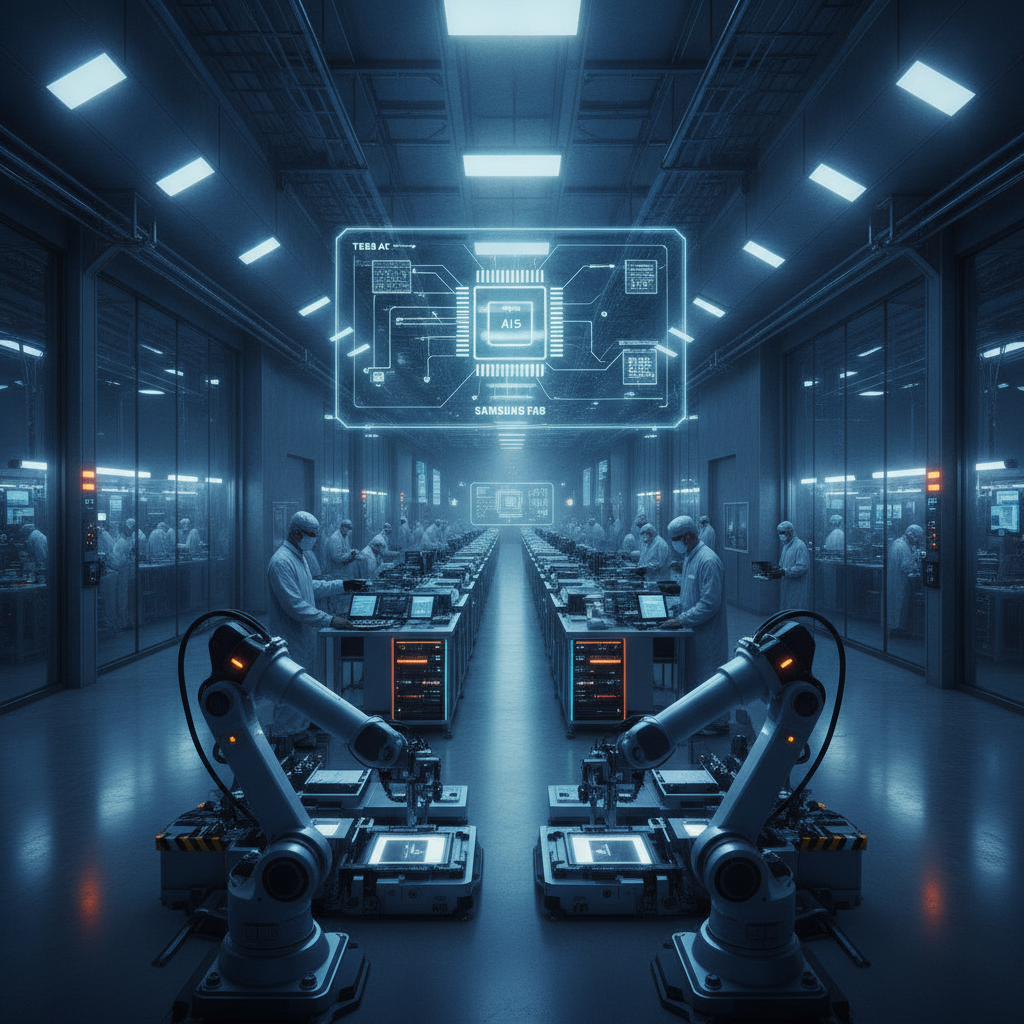
ما يجعل صعود "لاين شاين" أكثر إثارة للإعجاب هو منهجه المعماري المبتكر. فخلافًا للعديد من الحواسيب الفائقة الحديثة التي تعتمد بشكل كبير على وحدات معالجة الرسوميات (GPUs) القوية كعمود فقري لحساباتها، يعمل "لاين شاين" دون أي وحدات معالجة رسوميات مخصصة. بدلاً من ذلك، يستفيد من عدد مذهل يبلغ 45 ألف معالج LX2 مصمم خصيصًا. كل معالج من هذه المعالجات يضم 304 أنوية، تعمل بتردد مذهل يبلغ 1.55 جيجاهرتز، وكلها متصلة عبر شبكة متخصصة عالية السرعة ومنخفضة زمن الاستجابة تُدعى "لينغ تشي" (LingQi). يلتف هذا الاختيار التصميمي بفعالية حول القيود الصارمة التي تفرضها الشركات الأمريكية على بيع تقنيات الرقائق المتقدمة للصين، مما يبرهن على قدرة قوية على الابتكار المحلي.
من حيث الأداء الخام، حطم "لاين شاين" الأرقام القياسية السابقة، ليصبح أول حاسوب فائق في التاريخ يتجاوز حاجز الـ 2000 إكسا فلوب الهائل. إن قوته المعالجة الهائلة تجعله أسرع بنسبة مذهلة تبلغ 20 بالمائة من أقرب منافسيه، "إل كابيتان"، مما يعزز مكانته في قمة الحوسبة الفائقة العالمية. تفتح هذه القدرة الحسابية الهائلة آفاقًا جديدة للبحث العلمي، والمحاكاة المتقدمة، وتطوير الذكاء الاصطناعي، مما يمنح الصين ميزة واضحة في المجالات التكنولوجية الحيوية.
ومع ذلك، فإن هذه السرعة غير المسبوقة تأتي مع تضحية ملحوظة في كفاءة الطاقة. يستهلك "لاين شاين" كمية كبيرة من الطاقة تصل إلى 42.2 ميجاوات أثناء التشغيل. وبالمقارنة، يعمل "إل كابيتان"، على الرغم من كونه أبطأ، بكفاءة أكبر عند 29.7 ميجاوات. يشير هذا الاستهلاك العالي للطاقة من قبل "لاين شاين" إلى أنه بينما حققت الصين قفزة كبيرة في سرعة المعالجة الخام، لا يزال هناك مجال للتحسين في تحسين بصمتها الطاقوية، وهو عامل حاسم للحوسبة الفائقة المستدامة.
تتجاوز أهمية إنجاز "لاين شاين" المواصفات التقنية ومقاييس الأداء لتصل إلى رسالة جيوسياسية عميقة. إنه بمثابة بيان واضح من الحكومة الصينية إلى الولايات المتحدة، يوضح مرونة الصين واعتمادها المتزايد على الذات في التكنولوجيا المتقدمة. على الرغم من الجهود التي بذلتها الإدارات الأمريكية لتقييد وصول الصين إلى المكونات الحيوية وفرض تعريفات جمركية باهظة، فقد أثبتت الصين قدرتها على الابتكار وبناء أنظمة رائدة عالميًا باستخدام أجهزة وتصاميم معمارية مطورة محليًا، مما يعزز مكانتها كلاعب رئيسي في المشهد التكنولوجي العالمي. هذا الإنجاز ليس مجرد حق للتفاخر، بل هو دليل ملموس على التقدم الهائل الذي أحرزته الصين في مجال الحوسبة الفائقة وقدرتها على تحقيق الاكتفاء الذاتي التكنولوجي.