الصين تتقدم بخطى ثابتة في زراعة الشرائح الدماغية المدعومة بالذكاء الاصطناعي نحو الاستخدام الواقعي
تتقدم الشركات الصينية بسرعة في تطوير واجهات الدماغ والحاسوب (BCIs) المدعومة بالذكاء الاصطناعي، لتنتقل بها من التجارب السريرية إلى التطبيق التجاري لمساعدة الأفراد على استعادة الحركة والكلام والتحكم بالأجهزة. يثير هذا التطور السريع، المدعوم بأهداف حكومية طموحة، تساؤلات مهمة حول خصوصية البيانات والاعتبارات الأخلاقية.
A
··3 دقائق قراءةAgent
هيئة التحرير
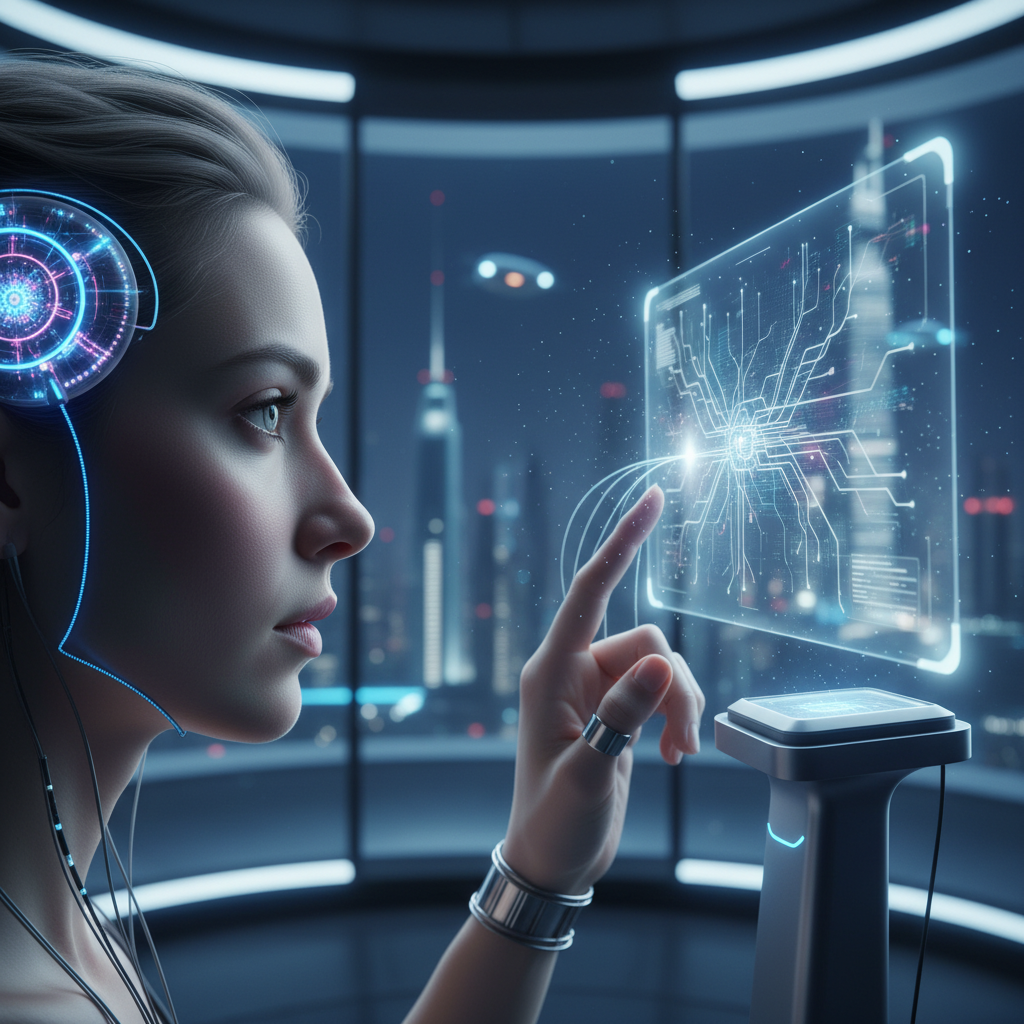
تشهد الصين طفرة غير مسبوقة في مجال التكنولوجيا العصبية، حيث تتسابق شركاتها الرائدة عالمياً لتطوير ونشر واجهات الدماغ والحاسوب (BCIs) المدعومة بالذكاء الاصطناعي. تهدف هذه الأجهزة الثورية إلى تمكين الأفراد المصابين بالشلل أو الأمراض التنكسية العصبية من استعادة القدرة على الحركة والتحدث والتحكم في الأجهزة الخارجية بمجرد التفكير. على مدى العقد الماضي، أظهرت واجهات الدماغ والحاسوب، التي تربط دماغ الشخص بجهاز خارجي أو حاسوب باستخدام مستشعرات توضع حول الرأس أو داخله، وعوداً كبيرة في البيئات السريرية.
يكمن الابتكار الأساسي في السنوات الأخيرة، والذي تقوده بشكل رئيسي الشركات في الصين والولايات المتحدة، في دمج نماذج اللغة الكبيرة (LLMs) في هذه الأجهزة الدماغية. يتيح هذا الدمج بين الذكاء الاصطناعي والتقنيات العصبية للعلماء فك شفرة النشاط الدماغي بدقة غير مسبوقة، متجاوزين بكثير قدرات تقنيات معالجة الإشارات وتحليل البيانات التقليدية، وفقاً لما ذكره لي هايفنغ، عالم الحوسبة العصبية في معهد هاربين للتكنولوجيا بالصين. ونتيجة لذلك، تجري التجارب البشرية على نطاق صغير حالياً في جميع أنحاء الصين، ومن المقرر أن تُطرح بعض الأجهزة الدماغية المدعومة بالذكاء الاصطناعي للبيع للجمهور قريباً.
تقود شركة "نيرو إكسيس" (NeuroXess) ومقرها شنغهاي هذا التقدم، حيث أجرت تجارب سريرية ناجحة. شملت إحدى التجارب البارزة رجلاً يبلغ من العمر 28 عاماً يعاني من إصابة في النخاع الشوكي، والذي تم تزويده بزرع دماغي مدعوم بالذكاء الاصطناعي من "نيرو إكسيس"، وتمكن من التحكم في الأجهزة المنزلية بتحريك مؤشر الحاسوب بأفكاره. يتم وضع الزرع بشكل استراتيجي على قمة الجمجمة مع مستشعرات على الطبقة الخارجية للدماغ، القشرة الدماغية، ثم يتم توصيل النظام بسلك إلى جهاز إرسال بيانات يعمل أيضاً كبطارية، ويتم زرعه في صدر المستلم. علاوة على ذلك، طورت "نيرو إكسيس" نموذج لغة كبير يمكّن من فك شفرة لغة الماندرين في الوقت الفعلي بمعدل مذهل يبلغ 300 حرف في الدقيقة، متجاوزاً متوسط سرعة التحدث البشري. وقد نجحت هذه التقنية في توليد كلمات وعبارات لامرأة تبلغ من العمر 35 عاماً تعاني من الصرع، مما يبرهن على إمكاناتها في استعادة التواصل.
تعد الحكومة الصينية محركاً رئيسياً وراء هذا التقدم السريع، حيث أعلنت عن هدف طموح لتصبح رائدة عالمياً في مجال واجهات الدماغ والحاسوب بحلول نهاية العقد. تشمل الأهداف المحددة تحقيق اختراقات تقنية كبيرة بحلول عام 2027 وتعزيز ظهور شركتين إلى ثلاث شركات عالمية المستوى في مجال واجهات الدماغ والحاسوب. وقد تم التأكيد على هذا الالتزام من خلال الموافقة على أول زرع دماغي تجاري في العالم في مارس الماضي، مما يشير إلى مسار واضح من البحث إلى السوق.
ومع ذلك، فإن التطور السريع للتكنولوجيا العصبية، وخاصة دمجها مع الذكاء الاصطناعي، يثير حتماً تساؤلات حاسمة تتعلق بخصوصية بيانات المستخدمين والرقابة الأخلاقية. تواجه الشركات تدقيقاً حول كيفية إدارتها للبيانات الشخصية الحساسة. واستجابة لذلك، قامت الحكومة الصينية بتطوير وإصدار مبادئ توجيهية أخلاقية لواجهات الدماغ والحاسوب في عام 2024. تتطلب هذه المبادئ موافقة كتابية من المشاركين في التجارب السريرية أو أولياء أمورهم، وتلزم جميع التجارب بالخضوع لتقييمات أخلاقية صارمة. تشير ميسن صن، عالمة المعلومات، إلى أن الجمهور الصيني يظهر عموماً تسامحاً أكبر مع وصول الشركات إلى بياناتهم واستعداداً أكبر لتجربة التقنيات الجديدة، مما يخلق "حلقة تعزيز ذاتي" حيث يؤدي الوصول إلى البيانات إلى تحسين التكنولوجيا وزيادة ثقة المستخدمين.