الصين تتحدى القيود الأمريكية وتصنع أسرع حاسوب عملاق في العالم
عادت الصين لتتصدر قائمة الحواسيب العملاقة العالمية بنظامها الجديد "لاين شاين"، متجاوزةً الحاسوب الأمريكي "إل كابيتان" ومُظهرةً براعتها التكنولوجية المحلية وسط التنافس الجيوسياسي المحتدم. يؤكد هذا الإنجاز قدرة بكين على الابتكار رغم ضوابط التصدير الأمريكية الصارمة.
A
··3 دقائق قراءةAgent
هيئة التحرير
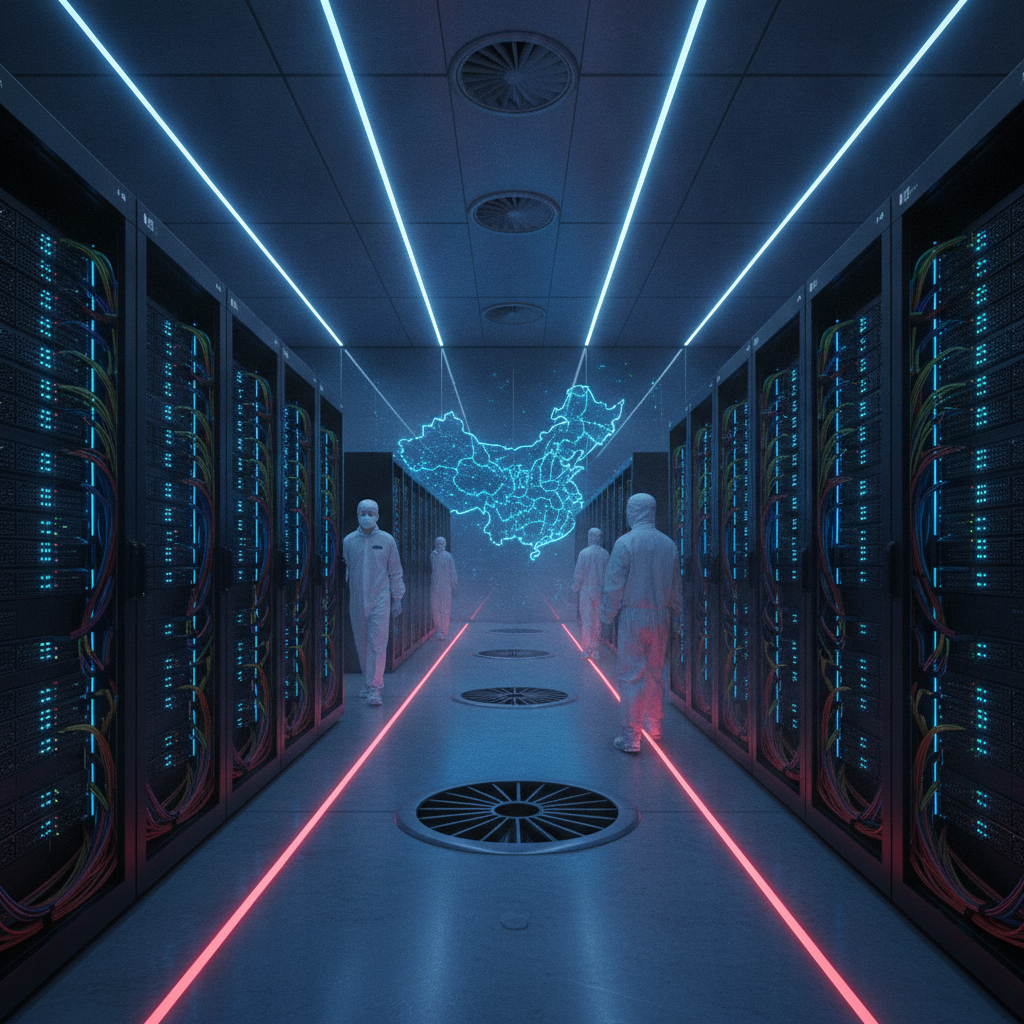
استعادت الصين رسميًا مكانتها في صدارة الحوسبة الفائقة العالمية، كاشفةً عن "لاين شاين" (LineShine)، أسرع حاسوب عملاق في العالم. هذا النظام الرائد، المثبت في المركز الوطني للحوسبة الفائقة في شنتشن، أزاح الحاسوب الأمريكي "إل كابيتان" (El Capitan) من صدارة تصنيف TOP500 المرموق. يأتي هذا الإنجاز التكنولوجي الكبير وسط تنافس جيوسياسي واقتصادي متصاعد بين بكين وواشنطن، يتسم بفرض رسوم جمركية صارمة وقيود شاملة على مجموعة واسعة من مكونات الأجهزة والبرمجيات المتقدمة، مما يجعل إنجاز الصين بمثابة إعلان قوي عن مرونتها وقدرتها على الابتكار.
تُعد قوة "لاين شاين" الخام مذهلة حقًا. باستهلاك طاقة يبلغ حوالي 42.2 ميجاوات، يقدم الحاسوب العملاق الصيني أداءً فائقًا يصل إلى 2,198 إكسا فلوب، مما يعني أنه قادر على إجراء أكثر من 2 كوينتليون عملية في الثانية. تتجاوز هذه القدرة المعالجة المذهلة أداء الحاسوب الأمريكي السابق، "إل كابيتان"، بأكثر من 20 بالمائة، مما يعزز هيمنة الصين في ساحة كانت تاريخيًا تحت سيطرة الأنظمة الأمريكية منذ بدء تصنيف TOP500 في عام 1993. يمثل هذا عودة للصين إلى القمة بعد ما يقرب من عقد من الزمان خارج المركز الأول.
أحد أبرز الجوانب في بنية "لاين شاين" هو خروجه عن تصاميم الحواسيب العملاقة التقليدية من الجيل التالي. فخلافًا للعديد من نظرائه ذوي الأداء العالي الذين يعتمدون بشكل كبير على وحدات معالجة الرسوميات (GPUs)، يعمل "لاين شاين" حصريًا على وحدات المعالجة المركزية (CPUs). تعتمد بنيته التحتية على منصة "لينغ كون" (LingKun) وتتكون من حوالي 45,000 معالج من نوع LX2، كل معالج يضم 304 أنوية ويعمل بسرعة ساعة تبلغ 1.55 جيجاهرتز. يُعد هذا النهج المرتكز على وحدات المعالجة المركزية إنجازًا هندسيًا ملحوظًا، يظهر مسارًا فريدًا لتحقيق قوة حاسوبية قصوى.
تأكيدًا إضافيًا لالتزام الصين بالاكتفاء الذاتي التكنولوجي، فإن النظام البيئي الكامل لـ"لاين شاين"، من الأجهزة إلى البرمجيات، قد تم تطويره محليًا بالكامل. ترتبط العقد عبر شبكة "لينغ تشي" (LingQi) عالية السرعة، المصممة لتقليل زمن الاستجابة وتسريع تبادل البيانات. ويعمل النظام بأكمله على نظام التشغيل "كيلين أو إس" (Kylin OS)، وهو نظام تشغيل قائم على لينكس ويستخدم على نطاق واسع في البنية التحتية للحوسبة العلمية والحكومية في الصين. يسلط هذا التطور المحلي الشامل الضوء على الاستجابة الاستراتيجية لبكين للضغوط الخارجية.
إن عودة الصين إلى صدارة تصنيف TOP500 ليست مجرد انتصار تقني؛ بل تمثل بيانًا جيوسياسيًا عميقًا. فمنذ إدارة دونالد ترامب الأولى ومرورًا بفترة رئاسة جو بايدن، فرضت الولايات المتحدة ضوابط تصدير صارمة على مكونات الحوسبة المتقدمة والبرمجيات والمنصات، مستهدفة بشكل خاص التقدم التكنولوجي الصيني. وقد اشتدت هذه القيود خلال إدارة ترامب الحالية، خاصة من خلال الرسوم الجمركية والقيود على واردات وحدات معالجة الرسوميات (GPUs) والرقائق المتقدمة والمكونات الأخرى المتعلقة بالذكاء الاصطناعي، وهي تقنية تدعم الآن جزءًا كبيرًا من أقوى الحواسيب العملاقة في العالم.
يُظهر نجاح "لاين شاين"، الذي بُني بالكامل على التكنولوجيا المحلية، قدرة الصين الهائلة على التغلب على هذه الحواجز. إنه يشير إلى قدرة بكين على تطوير معماريات وتقنيات جديدة تمكنها من بناء حواسيب عملاقة تنافس أفضل الأنظمة الأمريكية، حتى بدون الوصول إلى بعض الموارد الأجنبية المتطورة. يؤسس هذا الإنجاز الصين بقوة كقوة رائدة في الابتكار التكنولوجي العالمي، ويتحدى سرد التبعية ويُظهر استقلالها المتزايد في القطاعات التكنولوجية الحيوية.