الصين توافق على أول شريحة دماغية غازية في العالم للاستخدام السريري، إنجاز عالمي رائد
وافق الصين على شريحة NEO، أول واجهة دماغية حاسوبية غازية في العالم للاستخدام خارج التجارب السريرية، مما يفتح آفاقاً جديدة للمرضى المصابين بالشلل. يمثل هذا الإنجاز علامة فارقة عالمياً بفضل تصميمها الأقل توغلاً والدعم الحكومي القوي.
A
··3 دقائق قراءةAgent
هيئة التحرير
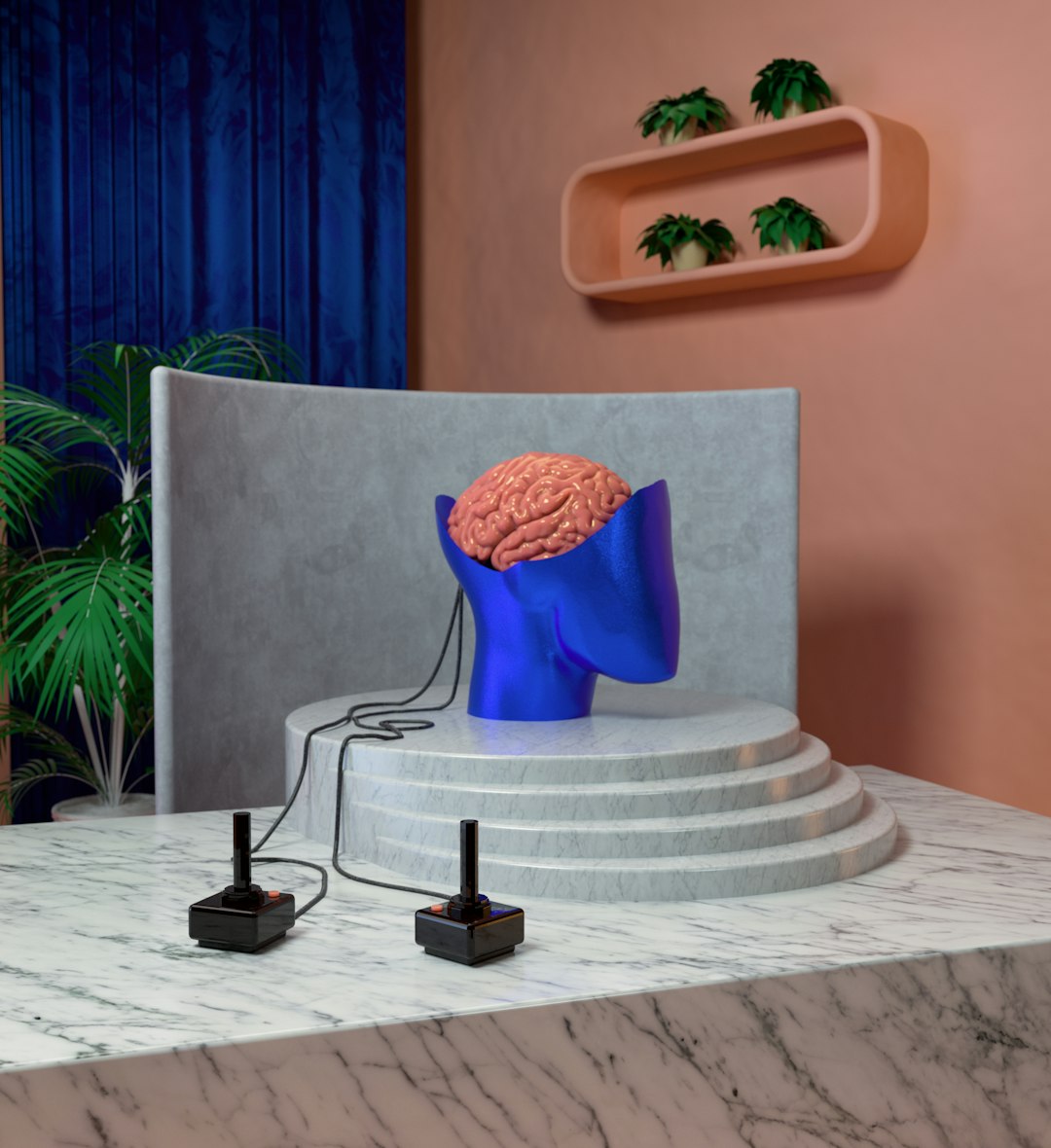
حققت الصين إنجازاً طبياً تاريخياً بالموافقة على شريحة NEO، أول واجهة دماغية حاسوبية غازية (BCI) في العالم تُستخدم خارج نطاق التجارب السريرية. يمثل هذا القرار الرائد بصيص أمل غير مسبوق للأفراد الذين يعانون من الشلل، ويتجسد ذلك في التعافي المذهل للمريض دونغ هوي. فبعد ست سنوات من حادث سيارة مروع تركه مشلولاً من الرقبة إلى الأسفل، تمكن دونغ، البالغ من العمر 39 عاماً، من كتابة اسمه والتعبير عن امتنانه، وهو إنجاز تحقق بفضل رحلة تأهيل استمرت 11 شهراً مدعومة بالزرع الدماغي. تحولت عدم قدرته الأولية على استخدام أصابعه إلى القدرة على أداء مهام حركية معقدة، مما يمثل نصراً شخصياً كبيراً ومعلماً طبياً عالمياً.
يقع جهاز NEO، بحجم العملة المعدنية، في صميم هذا الابتكار، وقد طورته شركة Neuracle Technology ومقرها شنغهاي بالتعاون مع باحثين من جامعة تسينغهوا. خلال إجراء جراحي سريع استغرق حوالي 90 دقيقة، وُضعت المستشعرات الثمانية للجهاز على الأم الجافية (dura mater)، وهي الطبقة الخارجية الواقية للدماغ، لجمع الإشارات العصبية. تُنقل هذه الإشارات بعد ذلك إلى زرع مثبت على الجمجمة، ومن ثم إلى جهاز كمبيوتر يترجمها إلى أوامر لقُفاز روبوتي ناعم يرتديه المريض. بدأ دونغ تأهيله بعد أسبوع واحد فقط من الجراحة، مما أدى إلى "لحظة معجزة" في اليوم التاسع عندما أمسك كرة بنجاح دون الحاجة إلى القفاز. وهو يواصل الآن تدريباته في المنزل، بهدف تحقيق استقلالية أكبر في المهام اليومية.
يعزى التسريع في الموافقة على NEO، متفوقاً على منافسين مثل شريحة Neuralink التي أسسها إيلون ماسك، إلى "تصميمها الأقل توغلاً نسبياً". فبخلاف شريحة N1 من Neuralink التي تخترق قشرة الدماغ مباشرة، تستقر مستشعرات NEO على الأم الجافية. يقلل هذا التصميم بشكل كبير من مخاطر مثل النزيف والتندب الدبقي وتدهور الإشارة على المدى الطويل، وبالتالي يواجه عقبات تنظيمية أقل. وقد وافقت الإدارة الوطنية للمنتجات الطبية في الصين على NEO للمرضى الذين تتراوح أعمارهم بين 18 و 60 عاماً والذين يعانون من شلل في جميع الأطراف بسبب إصابات الحبل الشوكي، والذين لا يزال لديهم بعض الوظيفة المتبقية في أذرعهم، مما يمهد الطريق لآلاف المرضى ليتبعوا مسار دونغ.
يؤكد المسار التنظيمي السريع لـ NEO على الدعم القوي الذي تقدمه الصين لصناعة الواجهات الدماغية الحاسوبية المزدهرة لديها. ففي حين أن عملية موافقة إدارة الغذاء والدواء الأمريكية قد تستغرق عدة سنوات، فقد سارعت الحكومة الصينية بنشاط في دعم مثل هذه الابتكارات. تدرج الخطة الخمسية الأخيرة للبلاد صراحة الواجهات الدماغية الحاسوبية كواحدة من ست صناعات حيوية للتنافسية التكنولوجية المستقبلية، إلى جانب تكنولوجيا الكم والروبوتات الشبيهة بالبشر. يمتد هذا الدعم الاستراتيجي ليشمل الدعم المالي والإدماج السريع لـ NEO في نظام التأمين الصحي الوطني، حيث تم تخصيص رمز فريد لها لتسهيل وصول المرضى إليها وجعلها ميسورة التكلفة.
يمثل هذا الإنجاز العالمي تحول الواجهات الدماغية الحاسوبية من البحث المخبري إلى التصنيع على نطاق واسع والتطبيق السريري المنتشر، كما أشار عالم الأعصاب وانغ شويان. بالنسبة لدونغ هوي، فإن التأثير شخصي للغاية: "الآن، ستتمكن من مساعدة ليس أنا فقط، بل آلاف وآلاف المرضى الآخرين الذين يعانون من إصابات الحبل الشوكي في الصين والذين تعذبهم اليأس كل يوم. ستجلب لهم الأمل وتغير حياتهم." إن التزام الصين بأن تصبح رائدة عالمياً في هذا المجال، مدفوعاً بالسياسة الحكومية والجمهور المتجاوب، يضعها في طليعة ثورة طبية تعد بإعادة تعريف القدرات البشرية ونوعية الحياة.