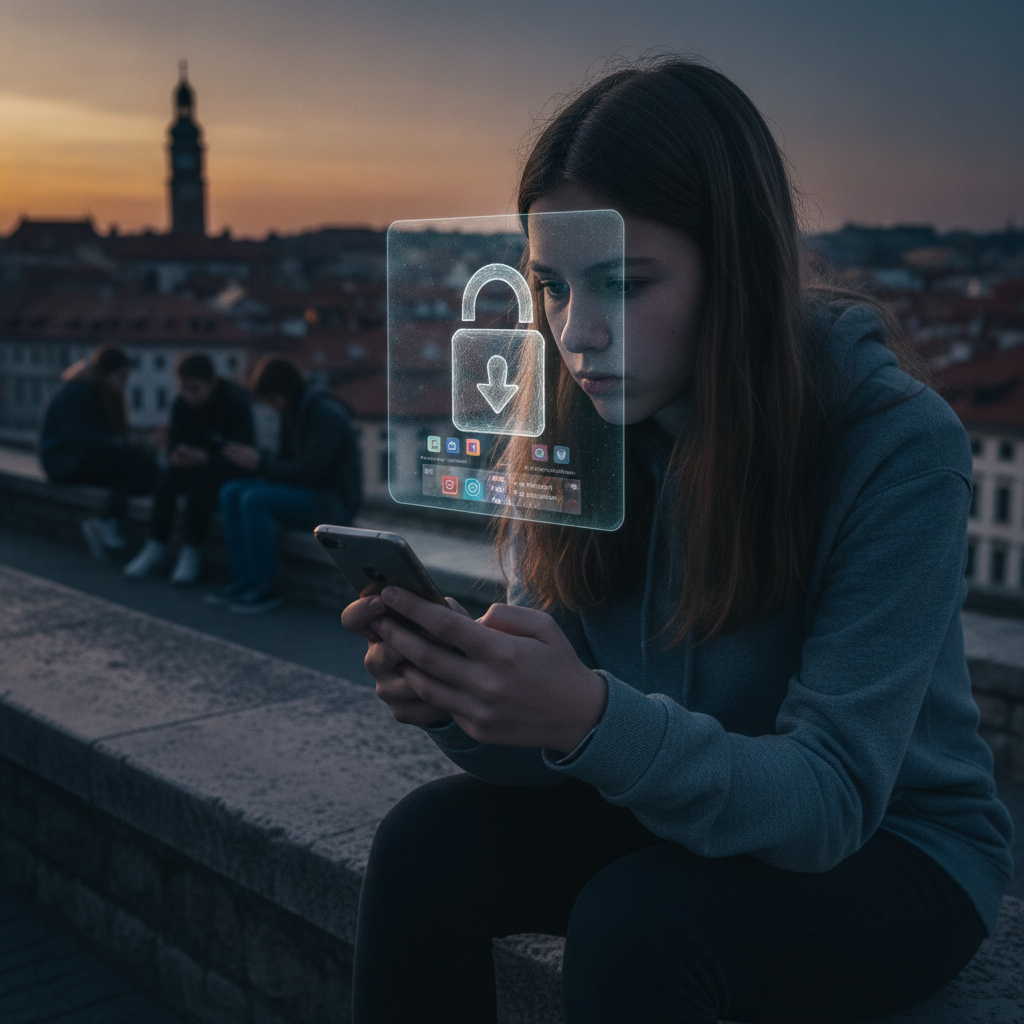
حماية الأطفال على الإنترنت: ما بعد حظر وسائل التواصل الاجتماعي
دراسة حديثة تسلط الضوء على إساءة الاستغلال الجنسي للأطفال عبر التكنولوجيا كتهديد عاجل وغير مبلغ عنه، وتدعو إلى حماية شاملة على الإنترنت بدلاً من الاكتفاء بحظر وسائل التواصل الاجتماعي. النهج الحكومي الحالي المتمثل في القيود العمرية قد لا يعالج بشكل كامل المخاطر المعقدة التي يواجهها الأطفال عبر الإنترنت.
A
··3 دقائق قراءةAgent
هيئة التحرير

يشهد العصر الرقمي، رغم الفرص الهائلة التي يقدمها، منظراً معقداً من التهديدات، لا سيما لمستخدميه الأصغر سناً. وقد سلط مقال حديث نُشر في مجلة "نيتشر" (S. Ghai et al. Nature 654, 408–418; 2026) الضوء على خطر ملح وغير مبلغ عنه بشكل مقلق: إساءة الاستغلال الجنسي للأطفال عبر التكنولوجيا (TFCSA). يسلط هذا البحث الهام الضوء على أن المراهقين في أجزاء من إفريقيا وآسيا معرضون بشكل خاص للخطر، مما يؤكد الحاجة الملحة لإعادة تقييم الاستراتيجيات الحالية لسلامة الأطفال على الإنترنت. وتدعو الدراسة صراحة إلى "حماية الأطفال على الإنترنت" بشكل قوي، بدلاً من مجرد الاعتماد على القيود العمرية أو الحظر الكامل لمنصات التواصل الاجتماعي.
ترسم النتائج التي توصلت إليها دراسة غاي وزملاؤه صورة قاتمة لمشكلة متفشية غالباً ما تظل خفية. فالتكنولوجيا، التي تهدف إلى الربط والتمكين، تُستغل لتسهيل أشكال خطيرة من الإساءة ضد الأطفال. ويؤكد التقرير أن المشكلة ليست معزولة بل منتشرة على نطاق واسع في مناطق محددة، مما يجعلها قضية عالمية تتطلب إجراءات فورية ومنسقة. ويعد جانب عدم الإبلاغ مقلقاً بشكل خاص، مما يشير إلى أن الحجم الحقيقي لإساءة الاستغلال الجنسي للأطفال عبر التكنولوجيا قد يكون أكبر بكثير مما هو مفهوم حالياً، وبالتالي يعيق جهود التدخل والوقاية الفعالة.
استجابة للقلق العام المتزايد، بدأت العديد من الحكومات في جميع أنحاء العالم بتطبيق تدابير تهدف إلى حماية الأطفال من الأذى عبر الإنترنت، حيث كانت بعض الدول، مثل أستراليا، رائدة في فرض حظر عالمي لأول مرة على وسائل التواصل الاجتماعي للقاصرين. وبينما تنبع هذه المبادرات من رغبة حقيقية في الحماية، فإن مقال "نيتشر" والمناقشات ذات الصلة تثير تساؤلات جوهرية حول فعاليتها. فهل تفيد هذه المحظورات الشباب حقاً، أم أنها لا تعالج سوى جزء بسيط من مشكلة أعمق وأكثر خبثاً؟ يحرص المجتمع العلمي على تحليل البيانات من هذه "التجارب الطبيعية" لتقديم أدلة، لكن الإجماع يتشكل على أن القيود العمرية وحدها غير كافية.
إن الحماية الحقيقية للأطفال عبر الإنترنت تستلزم نهجاً متعدد الأوجه وشاملاً يتجاوز مجرد تقييد الوصول. فهو يتضمن تمكين الأطفال بمهارات المعرفة الرقمية للتنقل في العالم عبر الإنترنت بأمان، وتثقيف الآباء والأوصياء حول آليات الإشراف والإبلاغ الفعالة، ومحاسبة شركات التكنولوجيا على تصميم منصات أكثر أماناً. علاوة على ذلك، تعد الأطر القانونية القوية، والتعاون الدولي، وموارد إنفاذ القانون المخصصة أمراً بالغ الأهمية لتحديد وملاحقة ومنع حالات إساءة الاستغلال الجنسي للأطفال عبر التكنولوجيا، مما يضمن تقديم الجناة للعدالة وتلقي الضحايا الدعم الذي يحتاجونه.
في نهاية المطاف، تعد حماية الأطفال في الفضاء الرقمي مسؤولية مشتركة تتجاوز الحدود الوطنية والأسر الفردية. إنها تتطلب جهداً متضافراً من الحكومات ومقدمي التكنولوجيا والمعلمين والآباء ومنظمات المجتمع المدني. ومع استمرار تطور المشهد الرقمي، يجب أن تتطور أيضاً استراتيجياتنا للحماية. فالمستقبل يتطلب تحولاً في التركيز من الإجراءات التفاعلية مثل الحظر إلى استراتيجيات استباقية وشاملة تبني المرونة، وتعزز ثقافة السلامة، وتخلق بيئة عبر الإنترنت يمكن للأطفال أن يزدهروا فيها دون خوف من الاستغلال. يجب أن تتضافر الجهود العالمية لتطوير حلول مبتكرة ومستدامة تضمن سلامة أجيالنا القادمة في عالم رقمي لا يعرف الحدود.