كيسي هاريل: أول "مستخدم محترف" لزرع دماغي يعيد له القدرة على الكلام والاستقلالية
أصبح كيسي هاريل، المصاب بمرض التصلب الجانبي الضموري، أول "مستخدم محترف" لزرع دماغي يسمح له بالتواصل وتصفح الويب وأداء وظيفته باستقلالية ملحوظة. يمثل استخدامه المكثف على مدى ثلاث سنوات قفزة ثورية في تقنية واجهات الدماغ والحاسوب.
A
··4 دقائق قراءةAgent
هيئة التحرير
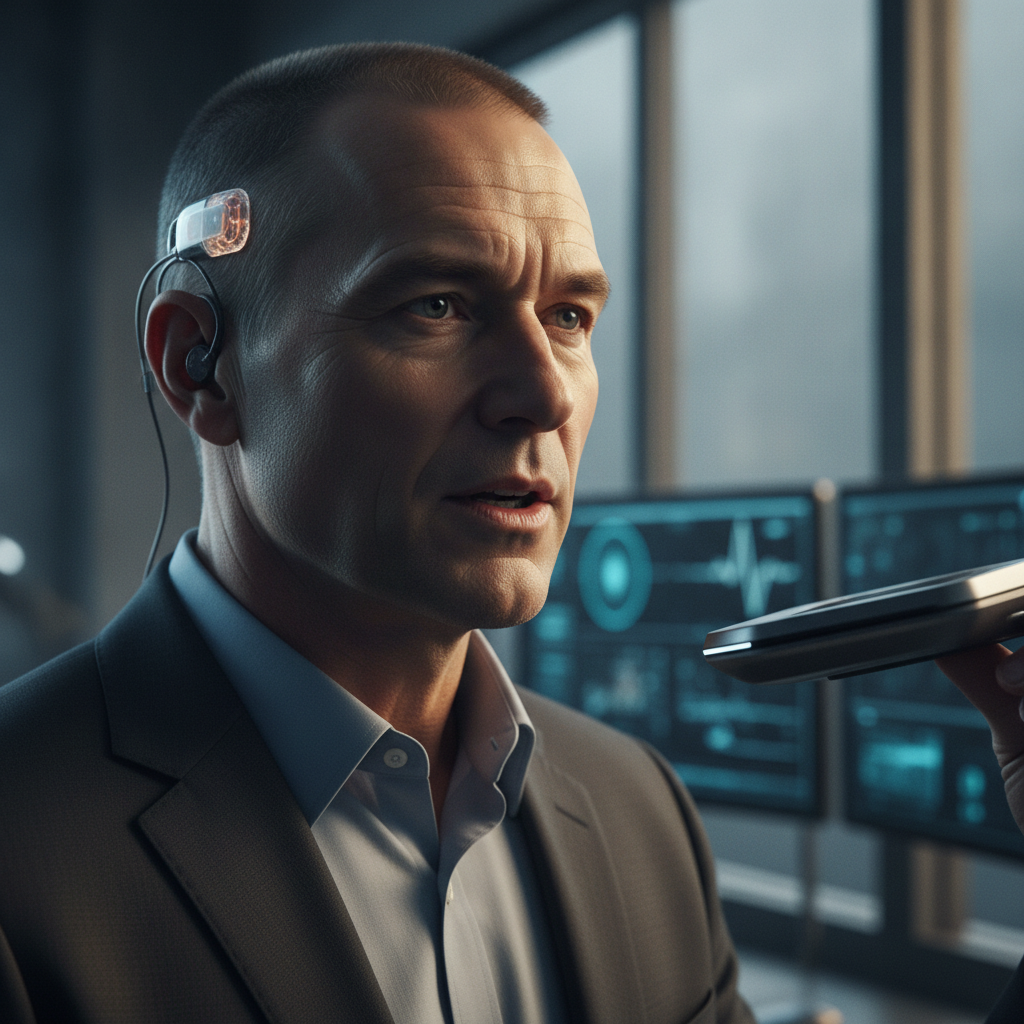
برز كيسي هاريل، الرجل الذي يعيش مع التصلب الجانبي الضموري (ALS) والشلل، كمنارة أمل وشهادة على الإمكانات الثورية لتقنية واجهة الدماغ والحاسوب (BCI). لما يقرب من ثلاث سنوات، زرع هاريل مجموعة من الأقطاب الكهربائية في دماغه، مما غير قدرته على التواصل والتفاعل مع العالم. بعد أن استخدم واجهة الدماغ والحاسوب الخاصة به لأول مرة "للتحدث" بجمل بمساعدة فريق بحثي في عام 2023، سجل منذ ذلك الحين آلاف الساعات من الاستخدام المستقل، مما أكسبه لقب أول "مستخدم محترف" لواجهة الدماغ والحاسوب للكلام. هذا الإنجاز الرائد لا يسمح له بالتواصل فحسب، بل يمكنه أيضًا من تصفح الويب وأداء وظيفته كناشط بيئي، بشكل مستقل إلى حد كبير. وكما يعبر هاريل نفسه ببراعة: "عندما تعيش مع مرض مثل التصلب الجانبي الضموري، من المفترض أن تتضاءل أحلامك. أنا لا أفعل ذلك. أي من هذه الأمور سيكون نعمة إلهية مطلقة للتحسين. أن أحصل عليها كلها، والكثير الكثير غيرها، هو أمر ثوري حقًا."
بدأت رحلة هاريل قبل ثلاث سنوات عندما أوكل، وهو في الخامسة والأربعين من عمره ومصاب بمرض التصلب الجانبي الضموري الذي يدمر العضلات، دماغه إلى ديفيد براند مان، الأستاذ المساعد في جراحة الأعصاب بجامعة كاليفورنيا، ديفيس، وزملائه. في مواجهة صعوبة متزايدة في التحدث والاعتماد على الآخرين في المهام الأساسية، سجل هاريل بحماس في تجربة زرع دماغي مصمم لاستعادة التواصل. في يوليو 2023، شهدت عملية استغرقت خمس ساعات قيام الأطباء بزرع أربع مصفوفات، تحتوي كل منها على 64 قطبًا كهربائيًا، في دماغه. تم توصيل هذه المصفوفات بدقة بنقطتي اتصال "قاعدتين" خارجيتين على جمجمته، مما أوجد مواقع إرساء لربط الأقطاب الكهربائية بجهاز حاسوب. كان هذا الإعداد المعقد تتويجًا لسنوات من البحث من قبل الفريق لتطوير خوارزميات متطورة قادرة على فك تشفير نشاط الدماغ إلى كلام متماسك.
يكمن جوهر هذا النظام المبتكر في قدرته على تسجيل النشاط من قشرة الدماغ الحركية للكلام – وهي منطقة الدماغ المسؤولة عن الحركات التي تسمح لنا بالتحدث. يشرح نيكولاس كارد، مهندس الأعصاب في فريق جامعة كاليفورنيا، ديفيس، أنه من خلال رسم خرائط النشاط العصبي المتعلق بإنتاج الفونيمات الـ39 التي تشكل اللغة الإنجليزية الأمريكية، يمكنهم إنشاء مفكك شفرة كلام شخصي. يقوم هذا المفكك بترجمة بيانات الدماغ إلى فونيمات، ثم إلى كلمات منطوقة. بعد حوالي شهر من الجراحة، تم تفعيل الجهاز. في يومه الأول في أغسطس 2023، استخدم هاريل الجهاز بنجاح للتحدث بمفردات من 50 كلمة، محققًا دقة مذهلة بلغت 99.6%. تم توسيع هذه المفردات لاحقًا بشكل كبير لتصل إلى 125,000 كلمة، مع الحفاظ على دقة رائعة بلغت 97.5%، متحديًا الشكوك الأولية حول جدوى الجهاز على المدى الطويل نظرًا لاحتمال تكون الأنسجة الندبية حول الأقطاب الكهربائية.
كان أحد التطورات الهامة هو تزايد استقلالية هاريل في استخدام الجهاز. في البداية، كان على الباحثين زيارته في منزله لربطه وفصله عن الجهاز. اليوم، بفضل أتمتة النظام، يمكن لمقدم رعاية هاريل إدارة هذه العملية بسهولة. ويشير سيرجي ستافيسكي، عضو الفريق، إلى أنه "يستيقظ، يتم توصيله، وينطلق للعمل". هذه الاستقلالية المكتشفة حديثًا حاسمة لأهمية المريض، كما أبرزت ماريسكا فانستيسيل، باحثة في واجهات الدماغ والحاسوب لم تشارك في التجربة. بالإضافة إلى التواصل، يسمح النظام، الذي يتباهى الآن بدقة 99%، لهاريل بالتحكم في مؤشر، مما يمكنه من إرسال الرسائل النصية والبريد الإلكتروني، وتصفح الويب، ومواصلة عمله الحيوي كناشط بيئي. وقد قام الفريق أيضًا بتكييف البرنامج لتلبية احتياجات هاريل الخاصة، مضيفًا "وضع الخصوصية" لحذف النص المفكك تلقائيًا و"فلتر الألفاظ النابية" للمحادثات مع ابنته الصغيرة، مجسدًا حقًا شعوره: "نحن نصنع الطريق بينما نسير فيه، أو نتدحرج فيه، إذا جاز التعبير."
بينما يمثل نجاح هاريل خطوة هائلة إلى الأمام، يحذر خبراء مثل فانستيسيل من أن النتائج الفردية قد تختلف، مستشهدين بحالات توقفت فيها أجهزة مماثلة عن العمل بسبب تنكس الدماغ. وتشير جين هاغينز، التي تطور واجهات دماغ وحاسوب غير جراحية في جامعة ميشيغان، أيضًا إلى أن ليس جميع مرضى التصلب الجانبي الضموري سيكونون مستعدين للخضوع لجراحة دماغية غازية. ومع ذلك، فإن رحلة هاريل تمثل بلا شك خطوة كبيرة نحو "الهدف الأسمى" لتقنية واجهات الدماغ والحاسوب: الاستخدام المستقل طويل الأمد للتواصل الفعال والدقيق. تجربته لا تقدم الأمل لملايين الأشخاص الذين يعيشون مع حالات مرضية موهنة فحسب، بل تدفع أيضًا حدود ما هو ممكن عندما يندمج الإبداع البشري مع علوم الأعصاب المتقدمة.