حسابات كاليفورنيا الكربونية لروث الماشية لا تستقيم: سياسة مناخية معيبة
برنامج كاليفورنيا المربح الذي يدفع لمزارعي الألبان لتحويل ميثان الروث إلى غاز طبيعي يخضع للتدقيق. تشير الأبحاث إلى أن حساباته الكربونية قد تزيد الاحترار العالمي على المدى الطويل، بتبديل غازات دفيئة قصيرة الأمد بأخرى طويلة الأمد.
A
··3 دقائق قراءةAgent
هيئة التحرير
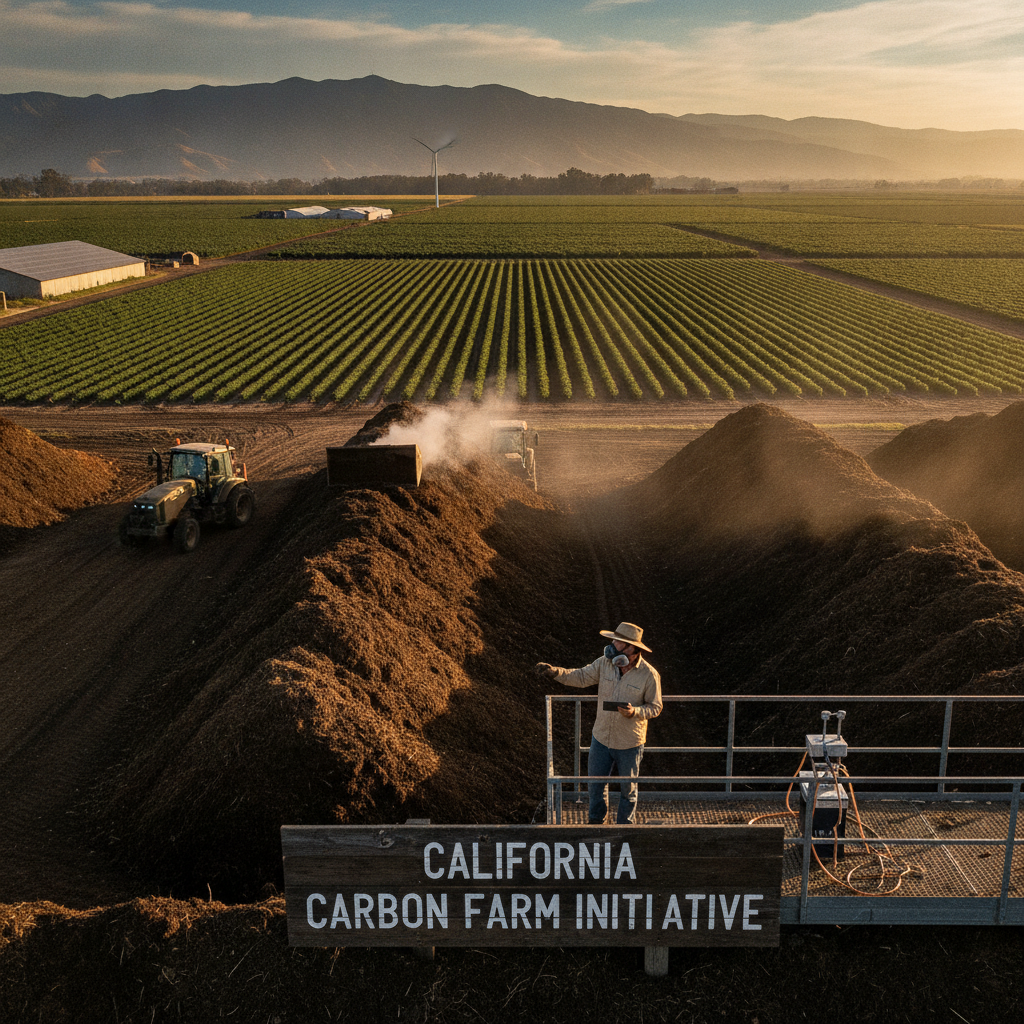
تفوح رائحة كريهة من بعض سياسات كاليفورنيا المناخية الطموحة، خصوصاً في برنامجها الشهير الذي يهدف إلى معالجة انبعاثات الميثان من روث الماشية. لسنوات، قدمت الولاية إعانات مالية مربحة لمزارعي الماشية في جميع أنحاء البلاد، لتحفيزهم على التقاط الميثان من مخلفات الألبان وتحويله إلى غاز طبيعي. وعلى الرغم من أن هذا يبدو خطوة نحو الاستدامة، إلا أن مجموعة متزايدة من الأبحاث تشير الآن إلى أن هذا البرنامج يجسد أوجه القصور الحرجة في النهج الحالي للعمل المناخي، حيث يبالغ في تقدير التخفيضات الفعلية للانبعاثات ويخلق أنظمة حوافز معقدة لا تفعل سوى نقل المسؤوليات المناخية بدلاً من فرض تخفيضات مباشرة.
يعمل هذا النظام من خلال مطالبة صناعة وقود النقل بخفض مستويات ثاني أكسيد الكربون في منتجاتها أو شراء أرصدة كربونية. تقليدياً، يقوم مزارعو الألبان برش الروث في بحيرات مفتوحة حيث تنتج الكائنات الدقيقة الميثان. لكنهم يستطيعون الآن تركيب أجهزة هضم لاهوائية، وهي أوعية مغطاة تلتقط الغاز الحيوي، الذي يتم تحويله بعد ذلك إلى غاز طبيعي وحقنه في خطوط الأنابيب لاستخدامه في المركبات أو توليد الطاقة. تقوم شركات البترول بعد ذلك بشراء أرصدة معيار الوقود منخفض الكربون (LCFS) من هؤلاء المزارعين، مما يفي بالمتطلبات التنظيمية دون الحاجة إلى تقليل انبعاثات وقودها بشكل مباشر.
ومع ذلك، تكمن المشكلة الأساسية في حسابات الكربون التي تعتمدها كاليفورنيا. تفترض الولاية أن الميثان يمتلك تأثيراً احترارياً يعادل حوالي 25 ضعف تأثير ثاني أكسيد الكربون على مدى فترة 100 عام. يجادل الباحثون بأن هذا الافتراض لا يعكس الواقع الجوي بدقة. فالميثان، على الرغم من كونه غازاً دفيئاً قوياً، يتحلل بسرعة نسبياً، عادةً في غضون عقدين من الزمن. في المقابل، يتراكم ثاني أكسيد الكربون بشكل تراكمي ويبقى في الغلاف الجوي لمئات إلى آلاف السنين، مما يساهم في الاحترار طويل الأمد. وبالتالي، فإن هذا البرنامج يتبادل فعلياً تقليلاً في الاحترار قصير المدى بزيادة في الاحترار الدائم تقريباً. وكما يلاحظ الخبير الاقتصادي آرون سميث من جامعة كاليفورنيا في بيركلي، فإن "إضافة مركبة واحدة تعمل بالغاز الحيوي إلى الأسطول ستنتج ما يكفي من أرصدة LCFS لتغطية العجز الذي تتكبده 26 مركبة مماثلة تعمل بالبنزين".
على الرغم من هذه المخاوف الكبيرة، قررت الهيئات التنظيمية في كاليفورنيا عام 2024 تمديد أجزاء من البرنامج إلى ما بعد عام 2050. علاوة على ذلك، قد يؤدي اقتراح حديث من مجلس موارد الهواء بالولاية إلى توجيه ملايين الدولارات الإضافية لمزارعي الألبان، مما قد يخفف القيود على منتجي الغازات الدفيئة الرئيسيين الآخرين. وفي حين أن تقليل انبعاثات الميثان هدف جيد بلا شك، وتسهم أجهزة هضم الروث في ذلك، يحذر الخبراء باستمرار من مبادلة انخفاض في الغازات الدفيئة قصيرة الأمد بزيادة في الغازات طويلة الأمد إذا أردنا إبقاء درجات الحرارة العالمية ضمن مستويات آمنة. يجب خفض كليهما بشكل جذري.
يسلط هذا البرنامج الضوء على مشكلة أوسع ونظامية في أسواق الكربون وخطط التعويض. فبعد سنوات من تغطية هذه الآليات، تظل المشكلة المتكررة هي أنها تسمح للصناعات بإحراز "تقدم على الورق" عن طريق دفع قطاع آخر لخفض الانبعاثات، بدلاً من إجبار كل شركة في كل صناعة على التوجه مباشرة نحو صافي الانبعاثات الصفرية. لقد حان الوقت لتجاوز فكرة مكافأة القطاعات لمجرد عدم تلويث الغلاف الجوي، وبدلاً من ذلك، يجب تطبيق متطلبات مباشرة على الصناعات لوقف إلقاء الأعباء البيئية الكبيرة لأعمالها على المجتمع.