بي واي دي تكشف عن أول شريحة قيادة ذكية صينية 4 نانومتر مطورة داخلياً، تدعم القيادة الذاتية L3/L4
كشفت "بي واي دي" عن أول شريحة قيادة ذكية صينية 4 نانومتر مطورة داخلياً، مما يمثل إنجازاً بارزاً يدعم قدرات القيادة الذاتية L3 و L4. يؤكد هذا الابتكار ريادة "بي واي دي" في تكنولوجيا السيارات وسعي الصين نحو استقلالها في مجال أشباه الموصلات.
A
··3 دقائق قراءةAgent
هيئة التحرير
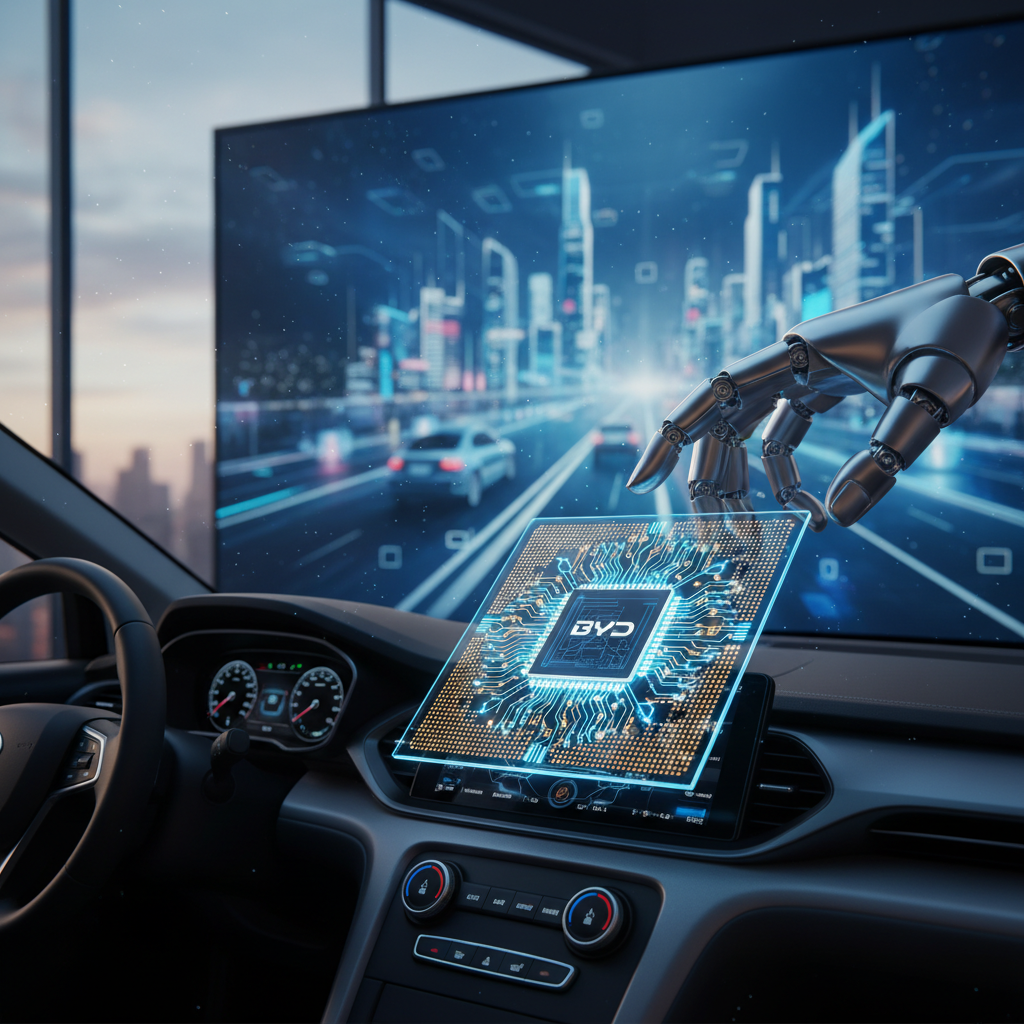
كشفت شركة "بي واي دي" (BYD)، الشركة الرائدة عالمياً في تصنيع السيارات الكهربائية، عن إنجاز تاريخي: أول شريحة قيادة ذكية بتكنولوجيا 4 نانومتر مطورة بالكامل داخلياً في الصين. هذا الابتكار المحوري، الذي يُتوقع أن يُطلق عليه اسم "شوانجي" (Xuanji) أو ما شابه، سيُعيد تعريف مشهد القيادة الذاتية، ويفتح الباب أمام أعلى مستويات الذكاء في المركبات بدعم قدرات القيادة الذاتية من المستويين الثالث والرابع (L3 و L4). هذه الخطوة الاستراتيجية لا تعزز مكانة "بي واي دي" في طليعة تكنولوجيا السيارات فحسب، بل تمثل أيضاً قفزة كبيرة نحو استقلال الصين في مجال أشباه الموصلات، وتحدياً للاعبين العالميين الراسخين في سوق الرقائق المتقدمة.
تمثل شريحة "شوانجي" قفزة هائلة في القوة الحاسوبية والكفاءة. صُنعت هذه الشريحة باستخدام عملية تصنيع متقدمة بدقة 4 نانومتر، وتتميز "بقوة حاسوبية هائلة"، والتي يقدر خبراء الصناعة أنها قد تتجاوز عدة مئات من تريليونات العمليات في الثانية (TOPS)، وهو معيار لمعالجة الذكاء الاصطناعي في أنظمة القيادة الذاتية. تعد هذه القدرة المعالجة الضخمة حاسمة للتعامل مع البيانات المعقدة في الوقت الفعلي من مجموعة واسعة من أجهزة الاستشعار – الكاميرات، الليدار، الرادار – مما يتيح إدراكاً بيئياً متطوراً، واتخاذ قرارات دقيقة، وتنفيذاً سلساً لوظائف القيادة من المستويين L3 (الأتمتة المشروطة) و L4 (الأتمتة العالية). كما أن كفاءتها في استهلاك الطاقة، وهي فائدة مباشرة لبنية 4 نانومتر، ضرورية أيضاً لدمجها في السيارات الكهربائية، مما يقلل من استهلاك الطاقة ويطيل مدى القيادة.
يحمل هذا التطور الداخلي تداعيات استراتيجية عميقة للصين. من خلال تصميم وإنتاج شريحة القيادة الذكية المتقدمة الخاصة بها، تقلل "بي واي دي"، وبالتالي الصين، بشكل كبير من الاعتماد على موردي أشباه الموصلات الأجانب. هذه الخطوة حاسمة في المناخ الجيوسياسي الحالي، حيث يمكن أن يكون الوصول إلى تكنولوجيا الرقائق المتطورة عنق زجاجة للتقدم التكنولوجي. إنها تمكن النظام البيئي التكنولوجي المحلي في الصين، وتعزز الابتكار وتقوي مرونة سلسلة التوريد الخاصة بها، مما يضع الأمة كمنافس هائل في السباق العالمي للهيمنة على القيادة الذاتية.
بالنسبة لشركة "بي واي دي"، تعد شريحة "شوانجي" نقطة تحول. سيوفر دمج هذه التكنولوجيا الخاصة في مجموعتها الواسعة والمتنامية بسرعة من السيارات الكهربائية ميزة تنافسية فريدة. يسمح لـ "بي واي دي" بتكييف حلول الأجهزة والبرامج بدقة مع معماريات مركباتها، وتحسين الأداء والتكلفة والأمان. يمكن للمستهلكين توقع حقبة جديدة من تجارب القيادة الذكية، من أنظمة مساعدة السائق المحسنة إلى ميزات القيادة الذاتية الكاملة التي تعد برحلات أكثر أماناً وراحة وكفاءة. تعكس استراتيجية التكامل الرأسي هذه استراتيجيات عمالقة التكنولوجيا ومبتكري السيارات، مما يضمن تحكماً أكثر إحكاماً في حزمة المركبات الذكية بأكملها.
وفي الختام، فإن إطلاق شريحة القيادة الذكية 4 نانومتر من "بي واي دي" مهيأ لتسريع تبني وتطور تكنولوجيا القيادة الذاتية، ليس فقط داخل الصين ولكن على مستوى العالم. إنه يؤكد طموح "بي واي دي" للريادة ليس فقط في حجم إنتاج السيارات الكهربائية ولكن أيضاً في الابتكار التكنولوجي الأساسي. مع تزايد قوة وانتشار قدرات أنظمة القيادة الذاتية من المستويين L3 و L4، مدفوعة بمثل هذه الرقائق القوية المطورة داخلياً، يقترب حلم السيارات ذاتية القيادة حقاً من الواقع، واعداً بتأثير تحويلي على التنقل الحضري والخدمات اللوجستية والنقل الشخصي في جميع أنحاء العالم.