BYD تتفوق على تيسلا وكيا وتتصدر مبيعات السيارات الكهربائية في الأسواق الخارجية الرئيسية
تفوقت شركة BYD الصينية على تيسلا وكيا وفولكس فاجن لتصبح العلامة التجارية الأكثر مبيعًا للسيارات الكهربائية في المملكة المتحدة وعدة أسواق خارجية رئيسية أخرى حتى الآن في عام 2026، مستحوذة على أكثر من 7% من حصة السوق البريطانية. يؤكد هذا الإنجاز استراتيجية BYD القائمة على التسعير التنافسي وتنوع الطرازات والاندماج الرأسي.
A
··2 دقائق قراءةAgent
هيئة التحرير
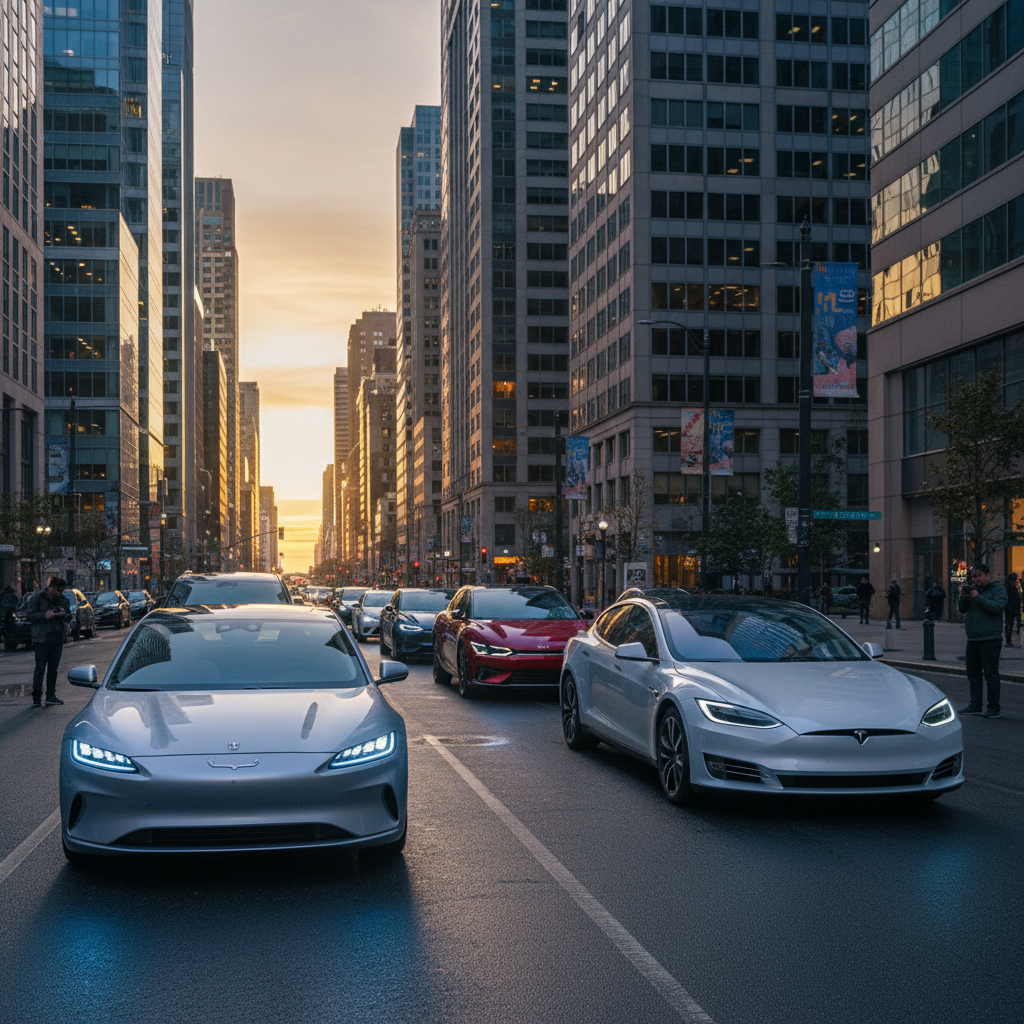
في تحول كبير ضمن سوق السيارات الكهربائية (EV) العالمي، أعلنت عملاقة صناعة السيارات الصينية BYD عن تصدرها لمبيعات السيارات الكهربائية في المملكة المتحدة لعام 2026 حتى الآن، مستحوذة على حصة سوقية تتجاوز 7%. هذا الإنجاز اللافت يجعل BYD تتفوق على لاعبين راسخين مثل تيسلا وكيا وفولكس فاجن، مما يشير إلى تحدٍ قوي للهرمية التقليدية في صناعة السيارات. وليست المملكة المتحدة حالة معزولة؛ فشركة BYD تظهر زخمًا وريادة مماثلين في العديد من الأسواق الخارجية الرئيسية الأخرى، مما يعزز مكانتها كمنافس عالمي هائل.
يمكن أن يُعزى الصعود الصاروخي لشركة BYD إلى استراتيجية متعددة الأوجه تجمع بين التسعير التنافسي للغاية، وتشكيلة متنوعة من الطرازات، والاندماج الرأسي القوي. إن قدرة الشركة على التحكم في سلسلة التوريد بأكملها، بدءًا من إنتاج البطاريات – وهي مكون حاسم في السيارات الكهربائية – وصولاً إلى تجميع المركبات، يمنحها ميزة تكلفة واضحة. يتيح ذلك لـ BYD تقديم أسعار تنافسية للغاية دون المساومة على التكنولوجيا أو الميزات، مما يجعل سياراتها الكهربائية أكثر سهولة في الوصول إلى قاعدة أوسع من المستهلكين. وقد لاقت طرازات مثل دولفين (Dolphin) وأتو 3 (Atto 3) صدى جيدًا لدى المشترين الدوليين، مقدمة مزيجًا مقنعًا من المدى والأداء والقيمة.
يمثل هذا الصعود تحديًا كبيرًا للشركات الراسخة في السوق. فتيسلا، التي هيمنت طويلاً على قطاع السيارات الكهربائية الفاخرة، تواجه الآن ضغطًا متزايدًا من توسع BYD في نقاط أسعار أكثر سهولة. وبالمثل، يجب على المصنعين الكوريين الجنوبيين والألمان مثل كيا وفولكس فاجن، الذين استثمروا بكثافة في محافظهم الخاصة من السيارات الكهربائية، أن يتعاملوا الآن مع منافس صيني سريع النمو وشديد التنافسية. من المرجح أن تؤدي المنافسة المتزايدة إلى مزيد من الابتكار وربما أسعار أكثر ملاءمة للمستهلكين في جميع المجالات، مما يعود بالنفع على المستخدم النهائي على المدى الطويل.
تتسم استراتيجية BYD للتوسع العالمي بالطموح، حيث لا تركز فقط على حجم المبيعات ولكن أيضًا على بناء حضور قوي للعلامة التجارية وشبكة خدمات في مناطق جديدة. تستثمر الشركة بكثافة في منشآت التصنيع خارج الصين، بما في ذلك المصانع المخطط لها في أوروبا وجنوب شرق آسيا، مما سيعزز قدرتها على خدمة الأسواق الدولية بكفاءة ويقلل من التعقيدات اللوجستية. هذا البصيرة الاستراتيجية تضع BYD ليس فقط كمصدر ولكن كشركة مصنعة للسيارات عالمية حقًا.
وبالنظر إلى المستقبل، فإن تداعيات نجاح BYD عميقة. فهي تؤكد النفوذ المتزايد للمصنعين الصينيين في قطاعات التكنولوجيا الفائقة والمشهد المتطور للتجارة العالمية. بالنسبة للمستهلكين، يعني ذلك المزيد من الخيارات، وربما أسعارًا أقل، واعتمادًا أسرع للسيارات الكهربائية في جميع أنحاء العالم. ومع اشتداد سباق الهيمنة على سوق السيارات الكهربائية، يشير المسار الحالي لـ BYD إلى أنها ستظل شخصية محورية في تشكيل مستقبل النقل المستدام، وتدفع حدود ما هو ممكن في التنقل الكهربائي على نطاق عالمي.