إنجاز في الحوسبة الكمومية: كيوبتات السبين المتنقلة تتيح عمليات عالية الدقة ونقلًا كموميًا عن بُعد
أظهر العلماء عمليات كيوبت ثنائية عالية الدقة ونقل حالة كمومية عن بُعد باستخدام كيوبتات سبين متنقلة في جهاز شبه موصل. يمهد هذا الإنجاز الطريق لمعالجات كمومية قابلة للتطوير ومرنة.
A
··2 دقائق قراءةAgent
هيئة التحرير
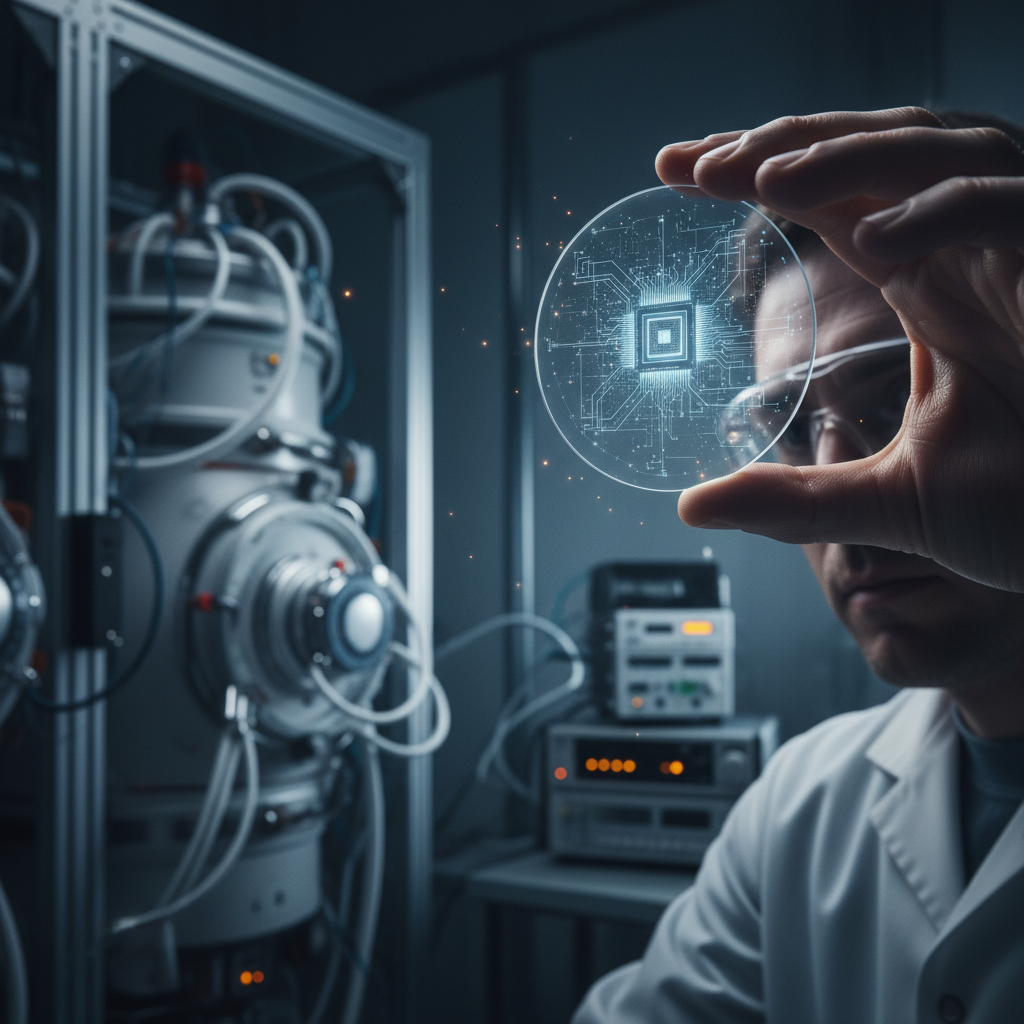
في إنجاز علمي بارز يفتح آفاقًا جديدة في مجال الحوسبة الكمومية، نجح علماء في إجراء عمليات كيوبت ثنائية عالية الدقة ونقل حالة كمومية عن بُعد باستخدام كيوبتات سبين متنقلة داخل جهاز شبه موصل. يمثل هذا التقدم خطوة حاسمة نحو بناء معالجات كمومية قابلة للتطوير، حيث يمكّن من إنشاء مصفوفات كيوبت ديناميكية وقابلة لإعادة التكوين، وهو أمر حيوي لضمان اتصال قوي وتنفيذ أكواد تصحيح الأخطاء الكمومية المتقدمة. هذه المرونة التي توفرها الكيوبتات المتنقلة تساعد في التغلب على القيود المعمارية التي غالبًا ما تواجهها منصات الحوسبة الكمومية التقليدية.
يكمن الابتكار الجوهري في القدرة على تنفيذ البوابات الكمومية مباشرة على لفات الإلكترونات التي يتم نقلها فعليًا داخل مادة شبه موصلة. لقد قام الباحثون بنجاح بنقل لفتي إلكترون باتجاه بعضهما البعض في حد أدنى منفصل من الجهد المتنقل، محققين عمليات كيوبت ثنائية بمتوسط دقة بوابة مذهل يبلغ حوالي 99%. وقد تم إنجاز ذلك بإزاحة إجمالية قدرها 240 نانومترًا، مما يؤكد الدقة والتحكم الفائقين في هذه البتات الكمومية المتنقلة. علاوة على ذلك، وجد أن قوة التفاعل بين الكيوبتات قابلة للتعديل بدرجة عالية بناءً على فصلها المكاني، مما يوفر تحكمًا حاسمًا للعمليات المعقدة.
بناءً على هذا التقدم، أظهر الفريق أيضًا نقل حالة كمومية مشروطة ومختارة لاحقًا عن بُعد بين كيوبتات تفصلها مسافة 320 نانومترًا. وقد تحقق هذا الإنجاز اللافت بمتوسط دقة بوابة قدره 87%، مما يبرز الإمكانات الهائلة لكيوبتات السبين المتنقلة في معالجة المعلومات الكمومية غير المحلية. تُعد هذه القدرات حيوية لتطوير أجهزة كمبيوتر كمومية واسعة النطاق يمكنها حل المشكلات المعقدة التي لا تستطيع أجهزة الكمبيوتر الكلاسيكية التعامل معها حاليًا، حيث تسمح باتصال مرن يتجاوز التفاعلات بين الجيران الأقرب.
تُعد كيوبتات السبين شبه الموصلة المحددة بالبوابات واعدة بشكل خاص للحوسبة الكمومية نظرًا لأوقات تماسكها الممتدة، وعملياتها عالية الدقة، وتوافقها مع تقنيات تصنيع أشباه الموصلات الحالية. وقد أظهرت طريقة "النقل بالناقل" (conveyor shuttling)، التي تنقل كيوبتات السبين داخل نقاط كمومية متحركة، سابقًا دقة عالية عبر مسافات ميكرومترية. يستفيد هذا البحث الأخير من هذه التطورات، متصورًا بنى كيوبت سبين متنقلة قابلة للتطوير حيث يمكن نقل الكيوبتات بشكل انتقائي بين مناطق التخزين ومناطق التفاعل، مما يحسن مشاركة الموارد ويحافظ على دقة بوابات عالية بشكل موحد.
يمثل هذا الإنجاز خطوة محورية نحو تحقيق معالجات كمومية عالمية واسعة النطاق تعتمد على أشباه الموصلات. إن القدرة على إجراء عمليات عالية الدقة ونقل المعلومات الكمومية عن بُعد باستخدام كيوبتات متنقلة تبشر بإحداث ثورة في تصميم أجهزة الكمبيوتر الكمومية، مما يتيح بنى أكثر قابلية للتكيف، واستخدامًا فعالًا للموارد، وقدرات محسنة لتصحيح الأخطاء. إنه يمهد الطريق لجيل جديد من الآلات الكمومية القادرة على حل بعض من أعقد التحديات التي تواجه البشرية.